Briefly: what happened and why it matters
According to Bloomberg, citing sources, Iraq has stopped exporting oil from its semi-autonomous Kurdistan region to the port of Ceyhan in Turkey. At the same time, producers in Iraq have cut output by roughly 200,000 barrels per day as a precaution. This comes amid an escalation of conflict in the Middle East and logistical problems in the region.
Rumaila: the scale of the problem
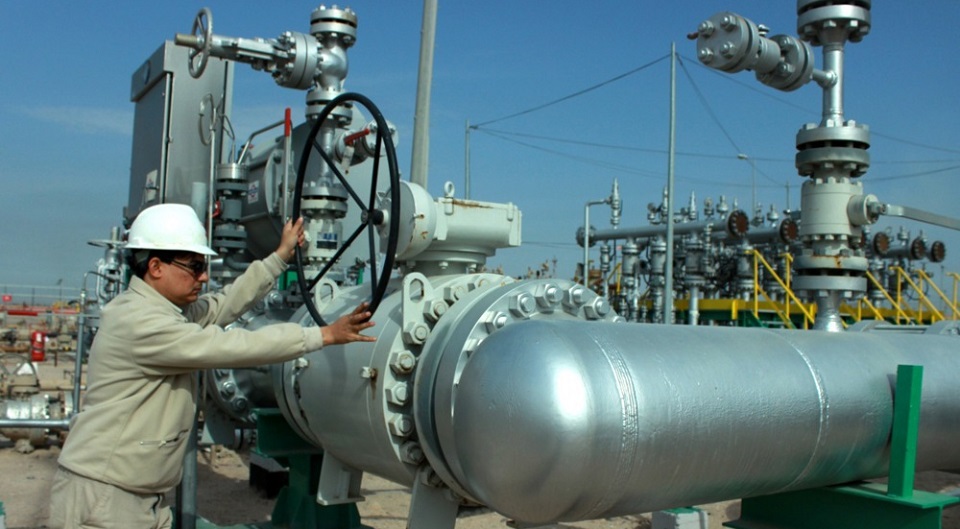
Rumaila is one of the largest fields in the world, operated by BP in partnership with the Iraqi government and PetroChina. Sources say production at the field in Basra province had to be temporarily suspended due to a lack of storage space and difficulties getting tankers out of the Persian Gulf. In 2024 Rumaila was producing more than 1.4 million barrels per day (at the start of the previous year — about 1.2 million).
Bloomberg sources warn that if logistical problems and filling of storage continue, Iraq could theoretically curb output to 3 million barrels per day in a worst-case scenario — though this is more a jump in potential risks than an expected baseline forecast.
"This is not just a local pause — it is a manifestation of bottlenecks in supply chains and a reminder of how quickly geopolitics is reflected in the energy market."
— Bloomberg, citing sources
Context: escalation in the Middle East
Iraq’s decision came against the backdrop of a recent escalation: a US and Israeli attack on Iran on February 28, 2026, reportedly triggered by the collapse of talks over the nuclear program. In response, Iran carried out a series of strikes that hit not only US and Israeli military targets but also infrastructure in neighboring countries. On March 2, 2026, a key LNG complex in Qatar and the largest refinery in Saudi Arabia were struck; the oil hub in Fujairah (UAE) was also hit. This caused disruptions at QatarEnergy and forced the suspension of part of regional production.
What this means for the market and for Ukraine
In the short term — there is a risk of rising oil prices due to reduced supplies and logistical barriers. However, the market has buffers (strategic reserves, alternative routes) that could soften the blow if the escalation does not spread further. Analysts note that the most sensitive factors are the duration of the disruptions and the scale of any blockages of transport routes.
For Ukraine this is a double-edged signal: on one hand, higher energy prices increase inflationary pressure and strain the budget. On the other — greater value placed on energy markets raises the importance of our strategic partners and may activate political and logistical responses at the alliance level.
Brief conclusion
The pause in exports and the suspension of part of production at Rumaila is an important indicator: logistics and infrastructure problems amid regional escalation can quickly translate into global supply risks. If tankers and storage return to normal operation within days, the impact will remain local; if not, the market will feel pressure for longer. The question for partners and markets is whether there are sufficient stocks and organizational capacity to turn declarations into concrete action.







