
Ukraine Received Over $50 Million from Japan for Healthcare
1 day ago
Complete news archive of Kyiv region, Ukraine and the world. Current events, politics, economy, culture



A band that fills stadiums with hundreds of thousands of spectators performed a concert for a few hundred schoolchildren in an auditorium where, 50 years ago, it all started with a handwritten notice seeking musicians.
The actress officially became Margot Ackerley after nearly ten years of marriage, but will remain Robbie on movie posters. This is a common Hollywood practice — separating personal name and brand.
On September 28, Ukraine's national team will play against Georgia in Tbilisi, with seven victories and no defeats in head-to-head meetings behind them. An unexpected detail: the Georgian field itself has historically not prevented Ukrainians from winning.
Kalynina and Svitolina defeated Italy 2:0 and brought Ukraine's national team to the first final in the tournament's history. Their opponent is Czechia, a country with developed tennis infrastructure that Ukraine cannot boast of.






The Irish band releases its first full-length album of new material in ten years on November 13 — and deliberately moves away from the heavy political themes of previous releases toward a "carnival" atmosphere.
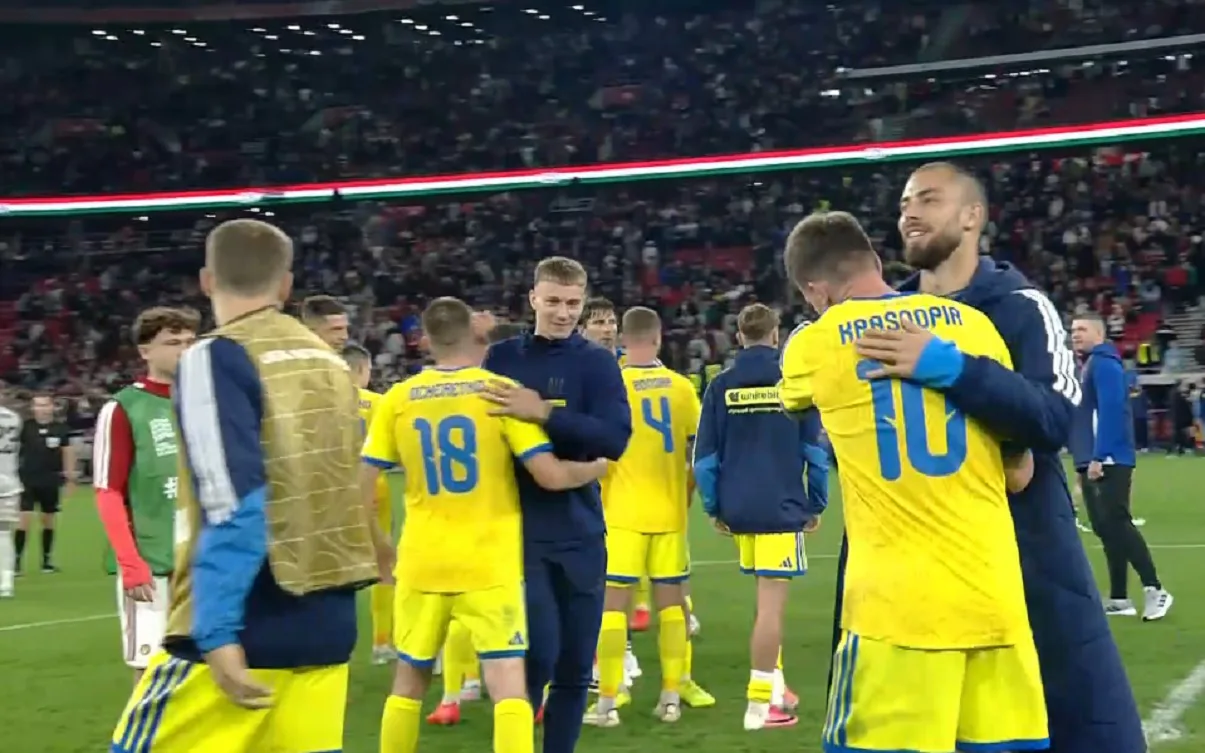
Ukraine defeated Hungary away 1:0 and claimed the opening three points in the new Nations League season, while the coaching staff is already thinking about squad issues ahead of the Georgia match.

The principal of a lyceum in the Bilohorodska community shared how the school operates during the war, why attendance has increased, and what professions graduates are now choosing.
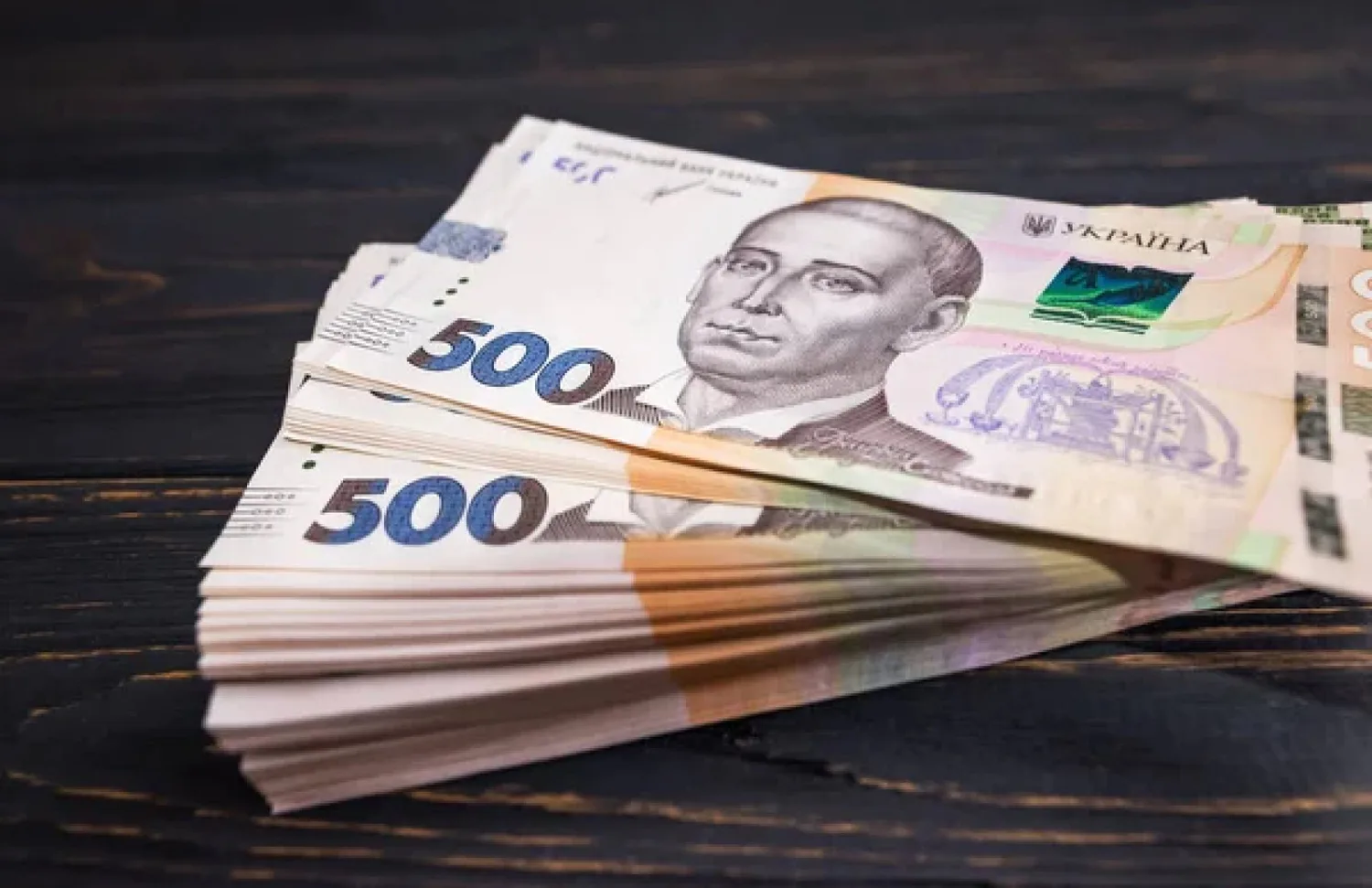
Ukraine received $841 million from the World Bank under Canadian guarantees to cover already-incurred pension expenses. The funds do not increase benefit payments but merely patch a hole in the budget, which sustains social obligations through new debt.
A debtor has the right to choose one account and use the amount up to 17,294 hryvnia per month, even if the funds are arrested due to debts.
# Czech archaeologists found glass fragments from 1959-1960 in Kazakhstan's Steplaz — three to four years after the official closure date of the camp. It turns out that the most honest witnesses of the era are not KGB documents, but garbage that no one bothered to hide from historians.
Yegor Kurtsev won his first silver medal at the junior Grand Prix stage in Ankara — and returned to Ukraine a medal in men's singles figure skating that the country had not won in seven years.
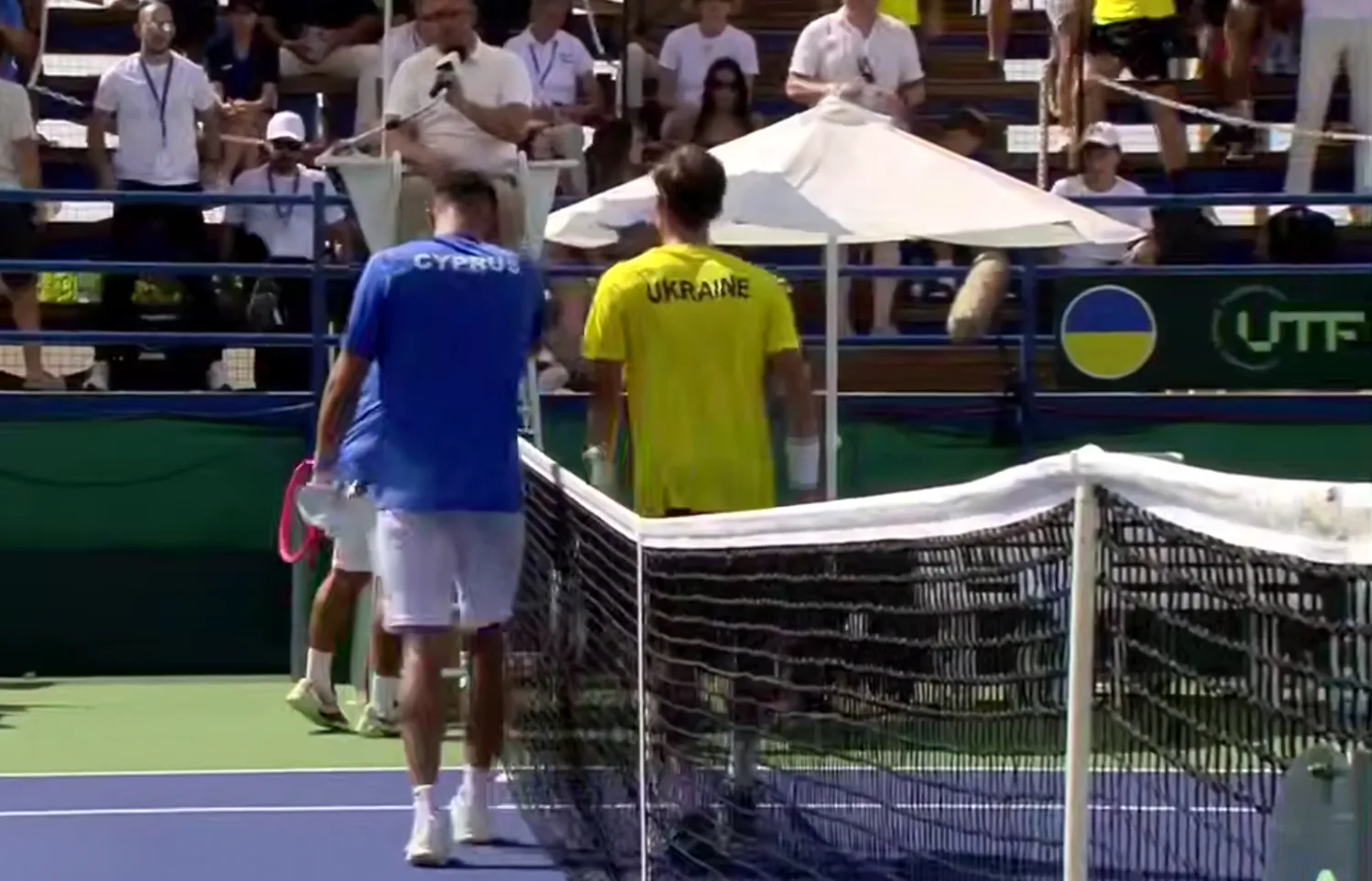
Ukraine's national team defeated Cyprus 3:1 in the Davis Cup World Group II. The decisive point was won by Georgy Kravchenko.

An auction in Paris is selling personal belongings of Brigitte Bardot starting at 100 euros — and this demonstrates how the legacy of a 20th-century star works toward a specific purpose even after her death.

REVOLVE and Donatella Versace announced a joint venture with no name, product, or launch date — and Prada, which now owns Versace, refused to comment on it.

Hrihoriy Ilchyshyn and Yaroslav Tkach won the speed relay in Chongqing, twice breaking the continental record and ending an eight-year gap without World Series gold for Ukraine.

Ahead of the new coach's debut in the Nations League, the player list raises more questions than answers: five players from Dynamo, which failed to start the season successfully, and zero representatives from the third-ranked team in the championship.
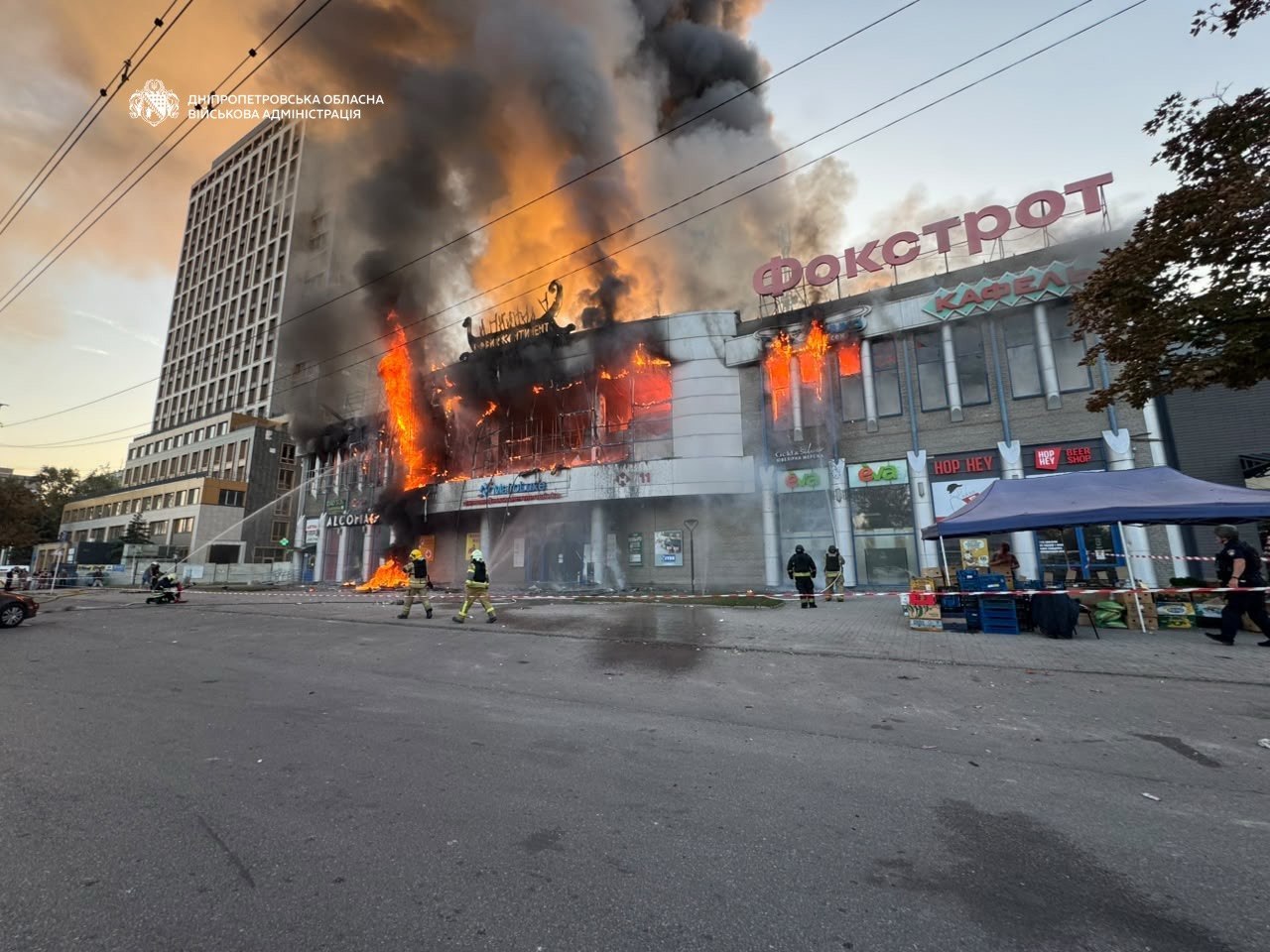
A Russian drone struck a shopping center on Peremogy Embankment in Dnipro, with at least three people injured.

Over two years, the cost of one day of war has increased by a third, while budget revenues are falling instead — Russia is hitting precisely those sectors that feed the treasury.
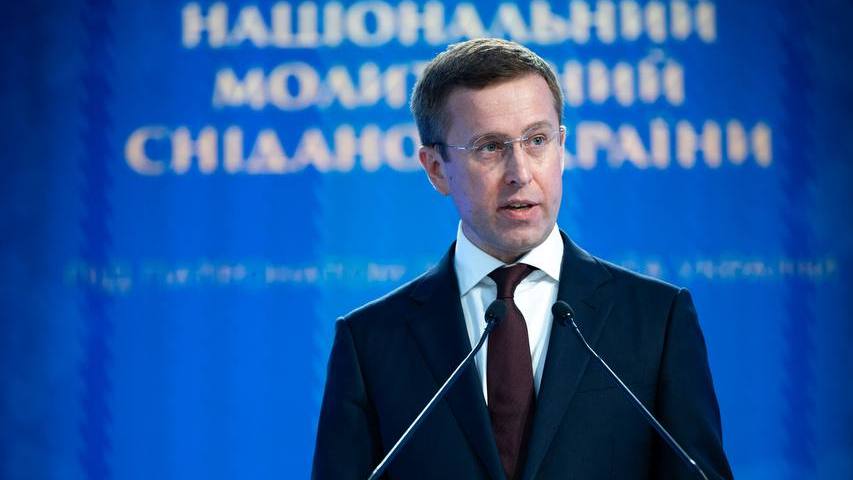
While Brussels seeks a formula for accountability over Russian assets, Ukraine's defense budget deficit has already reached $27 billion — and the clock is ticking by the month.
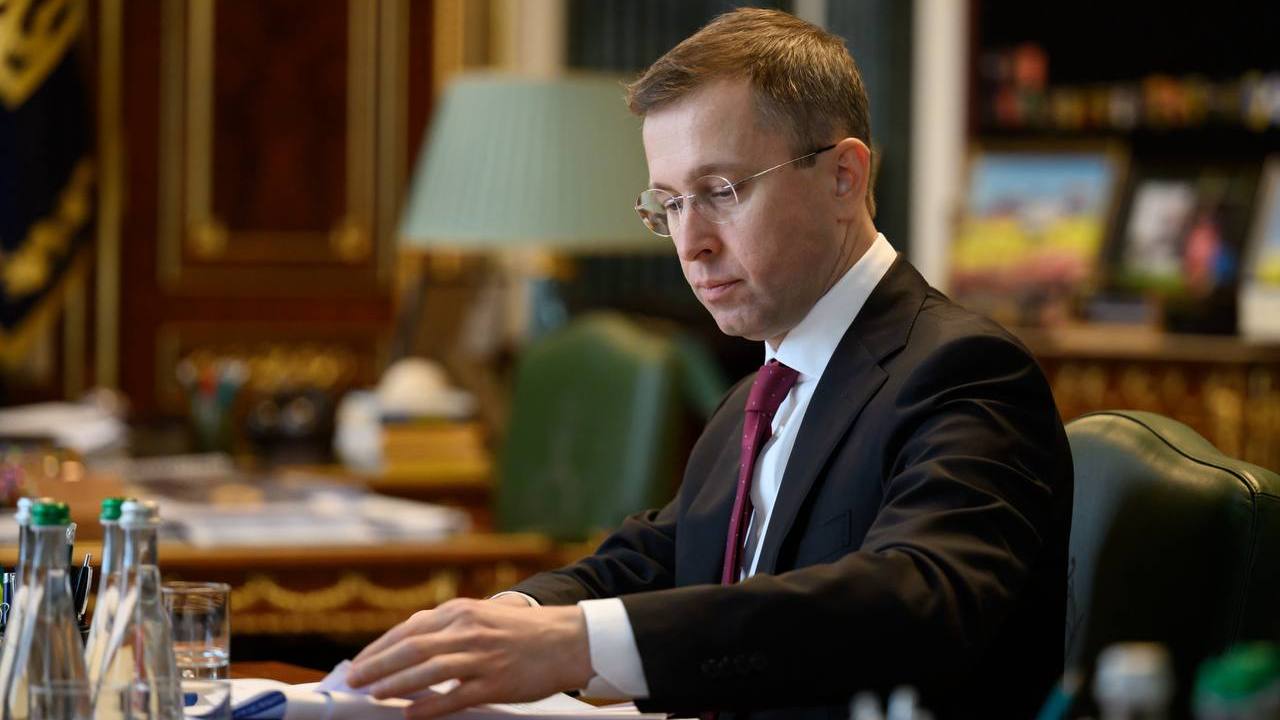
The government acknowledges that it is physically impossible to protect the entire power system, so the focus is on ensuring autonomy for each individual house, hospital, and boiler room separately.

The government has acknowledged that the current system of insuring businesses against military risks does not work and is preparing a new model with a coverage threshold of 40-50%. However, the figures show: the problem lies not only in money, but also in the procedures that companies simply fail to complete.

A shopping center building in Pavlohrad was damaged as a result of a Russian attack, and the enterprise suspended operations during the elimination of consequences.

While the United States observes a moment of silence for victims of terrorist attacks, Catalonia on this day recalls its own defeat in 1714 — and transforms it into a celebration of identity. Different tragedies, one logic: pain becomes a reference point for the nation.

The ECB President once again dismissed rumors about early resignation, but the very story involving memoirs and negotiations regarding the WEF demonstrates how politicized the question of her successor has become.

A bank is offering to buy a subscription for 129 UAH to receive discounts and cashback later — but the benefit depends on whether your spending falls within the categories determined by the bank.

Russia systematically strikes at gas stations in the capital — two gas stations on both banks of the Dnipro were hit on the morning of September 11.

The Ministry of Regional Development proposes making construction developers responsible for housing quality for a decade following occupancy. The question remains whether companies, which have yet to complete previous projects, can bear this burden.

Nicole Kidman has embarked on a lighthearted romance with businessman Michael Reinstein, but true therapy following her separation from Keith Urban for her has been filming and launching on TikTok.

The UAF did not search for a new coach from outside — the head of the professional football committee took the position of head coach of the youth national team himself. This says more about the association's personnel shortage than about the U-19 development plan.
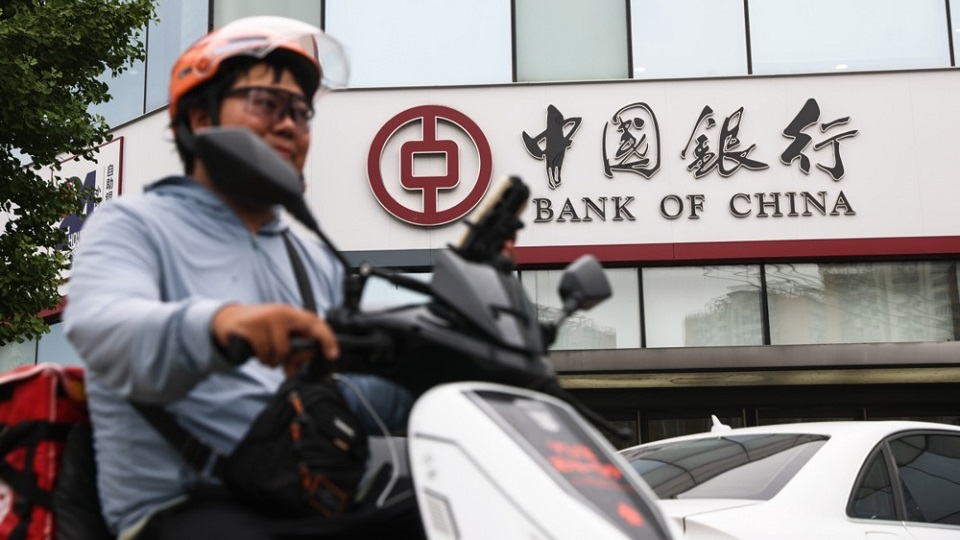
The largest recapitalization of Chinese banks in 20 years demonstrates not the strength of the state, but the depth of problems it is attempting to contain within the financial system.
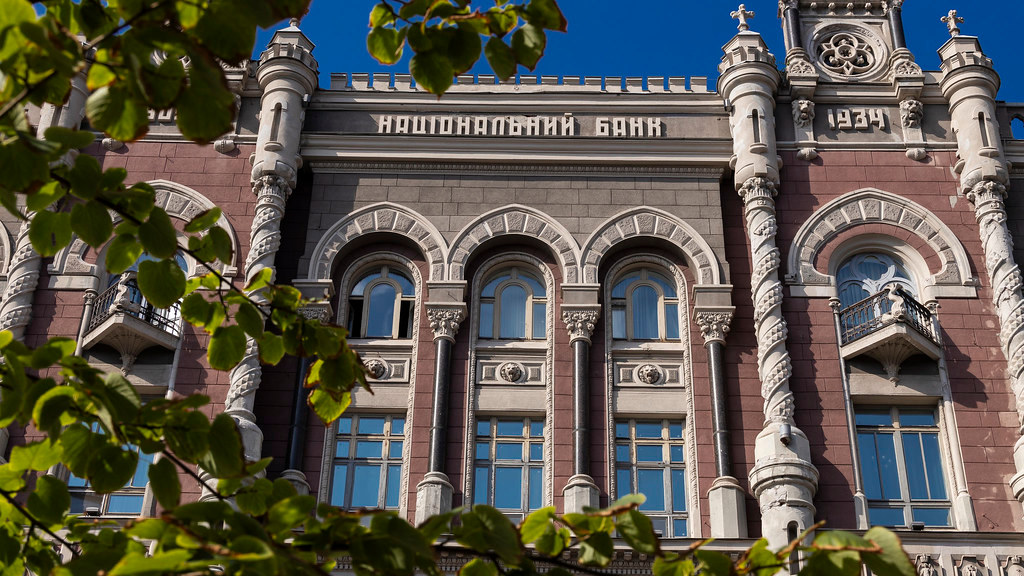
The National Bank spent almost $4.85 billion to maintain the exchange rate, but international aid did not cover this — reserves will last for four months of imports, marking the tightest buffer in recent months.

Klitschko accelerated the metro launch across the Southern Bridge by a day after public pressure from the prime minister — but the situation itself shows how slowly Kyiv authorities respond to Russia's new strike tactics.

CITY MALL shopping center has not been operational since early September, with no casualties reported from the strike.

The adoption of bills on taxation of parcels will make it possible to receive funding from partners in the amount of approximately 4 billion euros, the Ministry of Finance announced. However, the Verkhovna Rada has already rejected this idea twice — and it now depends on the deputies whether Ukraine will see this money.

Chris Rokos is moving his tax residency to Greece — and taking with him a sum that the British government will have to find elsewhere. This is not a story about greed, but about how tax policy competes in the global market for the wealthy.

The U.S. president stated that he would close the American market to Canada's aviation industry leader — despite the fact that half of the company's entire fleet operates there.

Europe's cheapest electric car will no longer be produced in China: Dacia is moving Spring production to Slovenia so buyers can receive state subsidies and the vehicle can avoid EU tariffs.

While Bulgaria recalls unity and Pakistan speaks of defense, Ukrainian entrepreneurs this day hold their own front - economic. And this is not a metaphor, but daily business survival statistics.

In the final of the "Diamond League" in Brussels, it was not so much Elaine Patterson who dealt defeat to Yaroslava Mahuchikh, but rather the psychology of competing against her own best result of the season.

Danylo Kravchenko won gold at the European Junior Judo Championship, defeating a Russian athlete in the final. Each such competition serves as a reminder that athletes from the aggressor country continue to compete in international tournaments during the war.

Military officer and former banker Andriy Onistrat explained why corruption scandals damage public trust in authorities more severely than actual military losses, and what threats Ukraine faces due to air defense shortages.

A metallurgical plant in Dnipro came under Russian missile strike, the extent of damage is currently unknown.

The popular idea about the "correct brain chemistry of successful people" does not withstand scrutiny from the data: the link between testosterone and aggression is almost nonexistent, and belief in the hormone's effects is more powerful than the hormone itself.

The National Anti-Corruption Bureau believes that a senior SBU official was "on the payroll" of a criminal group that protected a network of fraudulent call centers.
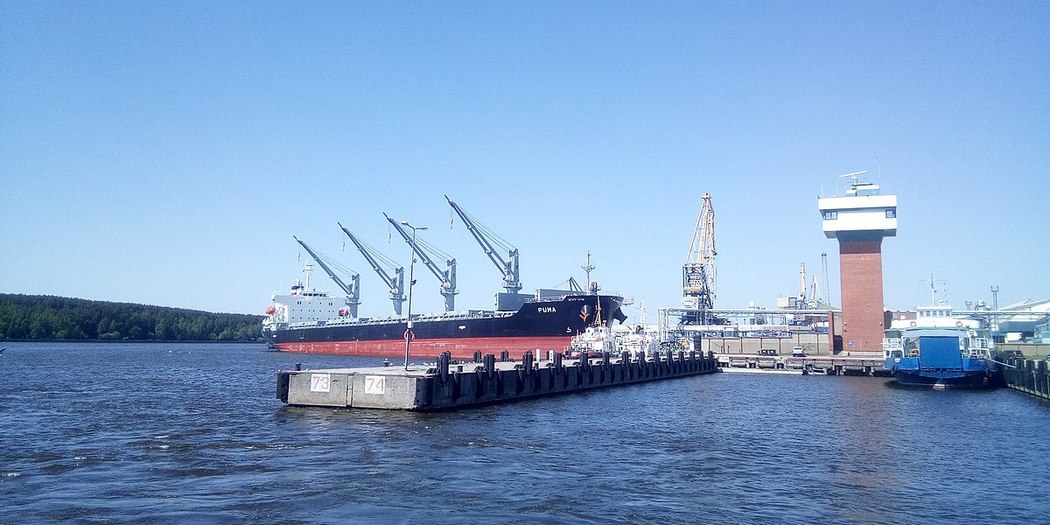
47,000 tons of grain from Kaliningrad passed through Klaipeda completely legally — and this is the main problem that Vilnius and Riga are now trying to urgently fix.