What happened
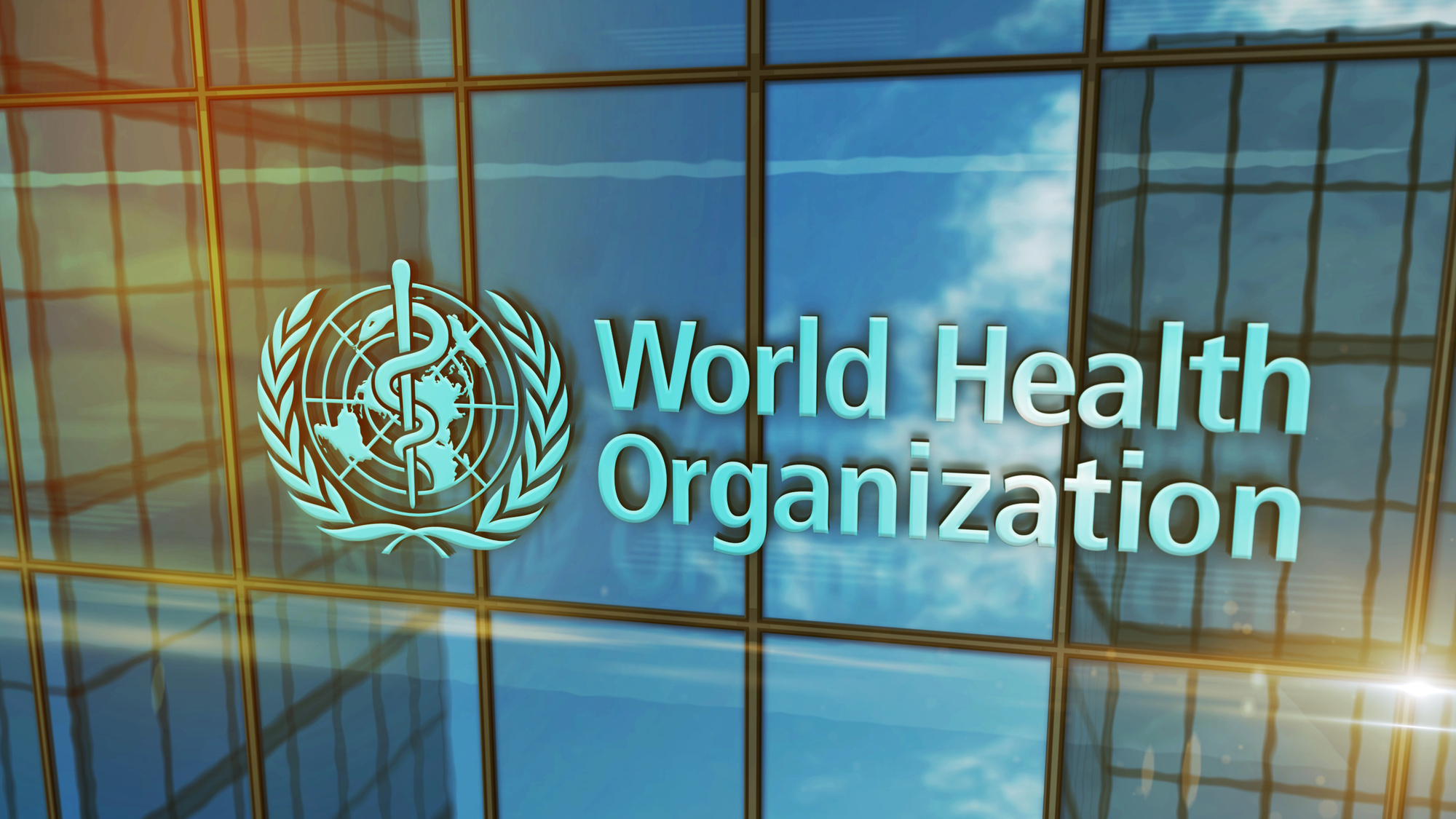
On January 22, 2025, the United States officially withdrew from the World Health Organization. According to a press release from the U.S. Department of Health and Human Services, all U.S. funding for WHO initiatives has been halted.
Bloomberg reports that, as of January 2025, the United States had an unpaid debt to WHO of about $260 million. The agency also notes that in 2022–2023 the U.S. contributed almost $1.3 billion to WHO programs, and without those contributions work to control diseases such as HIV, polio and Ebola is at risk.
"This move is a response to WHO's failures during the COVID-19 pandemic... the organization pursued a politicized, bureaucratic agenda"
— Press service of the U.S. Department of Health and Human Services
Why it matters for Ukraine
For Ukraine this is not abstract diplomacy. War amplifies the vulnerability of the health system: population displacement, damaged infrastructure, increased risk of outbreaks and postponed preventive programs. Any shortfall in international funding directly affects vaccine supplies, disease surveillance and humanitarian medical aid, which are already operating at the limits of their capacity.
If key donors do not redistribute commitments, immunization and infection-control programs in hotspots risk receiving fewer resources — which means greater danger for civilians and additional strain on our health system.
"This is a very messy divorce"
— Lawrence Gostin, director of the WHO Collaborating Center on National and Global Health Law at Georgetown University
Legal and practical consequences
WHO points to a 1948 resolution: withdrawal requires one year's advance notice and no outstanding debts. U.S. representatives argue the opposite — that the law does not require debt repayment as a condition of withdrawal. This creates legal and operational uncertainty: WHO may consider the U.S. a formal member while the country provides no active funding.
"The American people have paid more than enough"
— State Department spokesperson (Reuters comment)
What’s next — for the international community and for Ukraine
WHO plans to discuss legal options for settling the debt in May. In reality, the more important question is donors’ response: are the EU, the G7 and non-governmental funds ready to fill the gaps to avoid disruption of critical programs. For Ukraine this is a signal — time to demand that partners turn declarations into concrete money and operational agreements.
Summary
The U.S. withdrawal from WHO is not just a financial matter: it sets a precedent that tests the resilience of international health mechanisms. For Ukraine the key question is practical: who will fill the gaps in immunization and disease surveillance during war? The answer will determine how painful the consequences will be for hundreds of thousands of our citizens.
Now it’s up to partners: will there be the funds and the political will to protect health in conflict regions — and will international statements turn into concrete contracts and logistics?