What happened
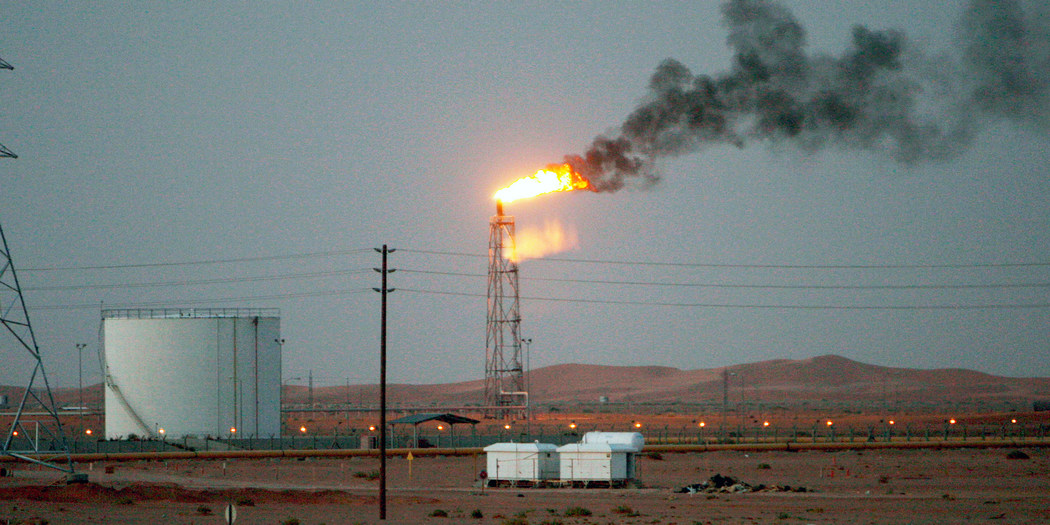
Bloomberg reports that Saudi Arabia — the world’s largest oil exporter — has begun cutting production because storage facilities are full. Saudi Aramco declined to comment.
Earlier the UAE, Kuwait and Iraq were forced to take similar steps. All these decisions are linked to the de facto unavailability of the Strait of Hormuz for maritime transport after a wave of attacks reportedly initiated by Iran. As a result, exports from major oil-producing countries have been put at risk, and some shipments have been diverted to Saudi Arabia’s west coast — the port of Yanbu. However, the pipeline infrastructure to the west does not have sufficient capacity to fully replace the volumes previously moved through the Strait of Hormuz.
Estimates put Saudi Arabia’s production at around 10 million barrels a day, with exports of roughly 7 million barrels. The export restrictions have already pushed oil prices up: on March 9 quotes exceeded $100 per barrel for the first time since the start of Russia’s full-scale invasion of Ukraine.
"Full storage facilities and disrupted logistics remove the market's safety buffer; until shipping stabilizes, prices and the risk of localized shortages will remain high."
— Energy market analyst, Bloomberg
What it means for Ukraine
The situation matters for the Ukrainian market for two reasons: first, global raw material prices directly affect fuel costs in Ukraine; second, supply-route disruptions underscore the importance of logistical diversification.
Ukrainian gas stations have already felt price increases at the beginning of March — as reported by LIGA.net. In the short term this means increased price volatility for consumers and a higher risk of temporary shortages in some regions. In the medium term it is a signal to accelerate measures to build strategic reserves, diversify supplies and make greater use of fixed-delivery contracts.
International context and possible scenarios
Analysts outline three hypothetical scenarios: 1) escalation of the conflict with further pressure on supplies and persistently high prices; 2) localized flare-ups with periodic disruptions and high volatility; 3) de-escalation and gradual restoration of exports. For Ukraine, even the second scenario implies a need for prompt economic and logistical responses.
It is also worth remembering: energy security is reinforced not only by military action but by economic resilience — long-term contracts, alternative routes, state reserves and international diplomacy to reopen maritime lanes.
Conclusion
This is not just a story about production figures — it is a reminder that energy stability and logistics have become elements of national security. In the short term Ukraine will feel pressure from higher fuel prices; in the medium term it should accelerate supply diversification and the expansion of strategic reserves. The question remains open: will the international community be able to quickly restore safe sea corridors so that markets and our gas stations return to normal operation?







