Quiet escalation around «Druzhba»
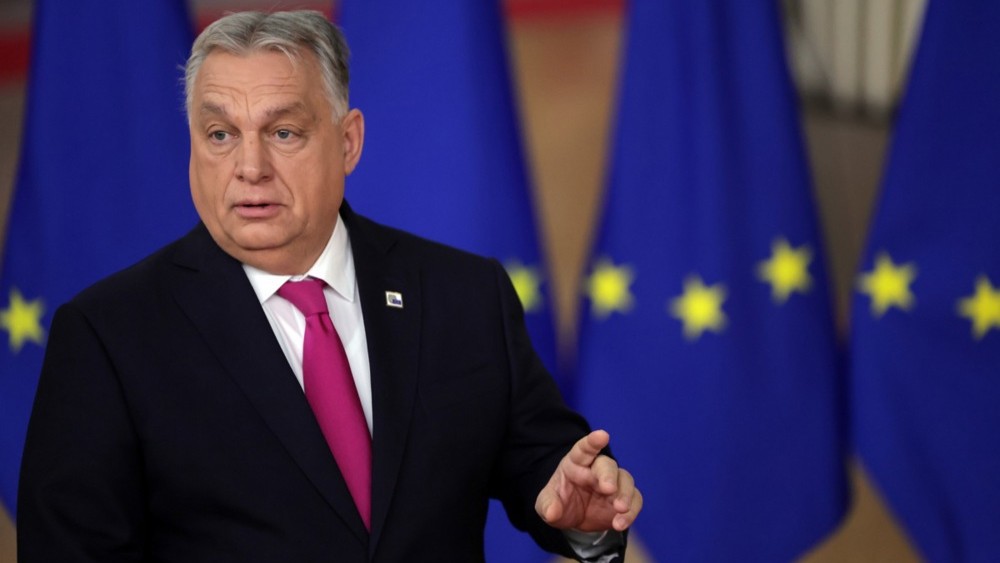
Hungarian Prime Minister Viktor Orban reacted sharply on the social network X to a comment by President Volodymyr Zelensky regarding the restoration of transit of Russian oil through the «Druzhba» pipeline and appealed to European Commission President Ursula von der Leyen to "ensure the implementation of agreements" that allegedly oblige Ukraine to allow the transit. The message was accompanied by satellite images of the Brody pumping station, which was damaged by a strike on January 27 and after which transit through «Druzhba» stopped.
Zelensky replied critically: the photos do not show key elements of the infrastructure — the control panel and the underground pipe — and restoring the transit would, in his words, mean allowing Russia to earn money to wage war. The president also recalled that during previous repairs of «Druzhba» Ukrainian specialists were wounded.
"President Zelensky gave an unacceptable reply. Therefore today I called on the President of the European Commission to ensure the implementation of agreements that oblige Ukraine to allow oil transit through the 'Druzhba' pipeline."
— Viktor Orban, Prime Minister of Hungary
"The photographs do not show the control panel or the underground pipe"
— Volodymyr Zelensky, President of Ukraine
Context: not just oil
This technical dispute is quickly taking on a political dimension. Because of Budapest's position, the approval of a preferential loan for Ukraine of €90 billion and the 20th package of sanctions against Russia have been blocked. In addition, Hungary and Slovakia have already announced the suspension of some export fuel supplies to Ukraine; Bratislava spoke of stopping emergency electricity supplies (although Ukrenergo reported that imports from Slovakia continue). The contract for transit of Russian oil through Ukrainian territory runs until 2030, but its practical implementation depends on the security of the infrastructure and political decisions.
Why Orban is responding now
Analysis of the situation points to several reasons: first, domestic politics — Budapest is in a sensitive pre-election period (national elections are scheduled for April); second, energy dependence provides leverage over the EU; third, Orban has consistently shown a more Moscow-friendly stance, giving him room to maneuver in talks with Brussels. Reuters has already reported on an earlier appeal by Orban to the EU to check damage to «Druzhba» on February 25.
European diplomats and analysts note that manipulating technical arguments for political ends is a standard tactic when important geopolitical preferences for a country are at stake. In Hungary's case the bet is on blocking euro-integration steps and financial assistance until more favorable terms for Budapest are obtained.
What comes next and why it matters to Ukrainians
The decision in Brussels will have real consequences: it will determine whether the diplomatic spat turns into a new instrument of pressure that slows the delivery of funding and reduces sanction pressure on Russia. For Ukraine the key question is whether international partners can combine a technical inspection of the infrastructure with political resolve so as not to allow individual capitals to dictate security conditions on the continent.
Ending this conflict will require the European Commission and state leaders to establish clear procedures for verifying damage, transparent mechanisms for restoring transit, and political guarantees that energy issues will not be used as a tool to block support for Ukraine. Questions to be resolved include whether Orban’s appeal will prompt real action by Brussels — and whether the EU will respond with a united line that protects Ukraine’s security and financial interests.





