What happened
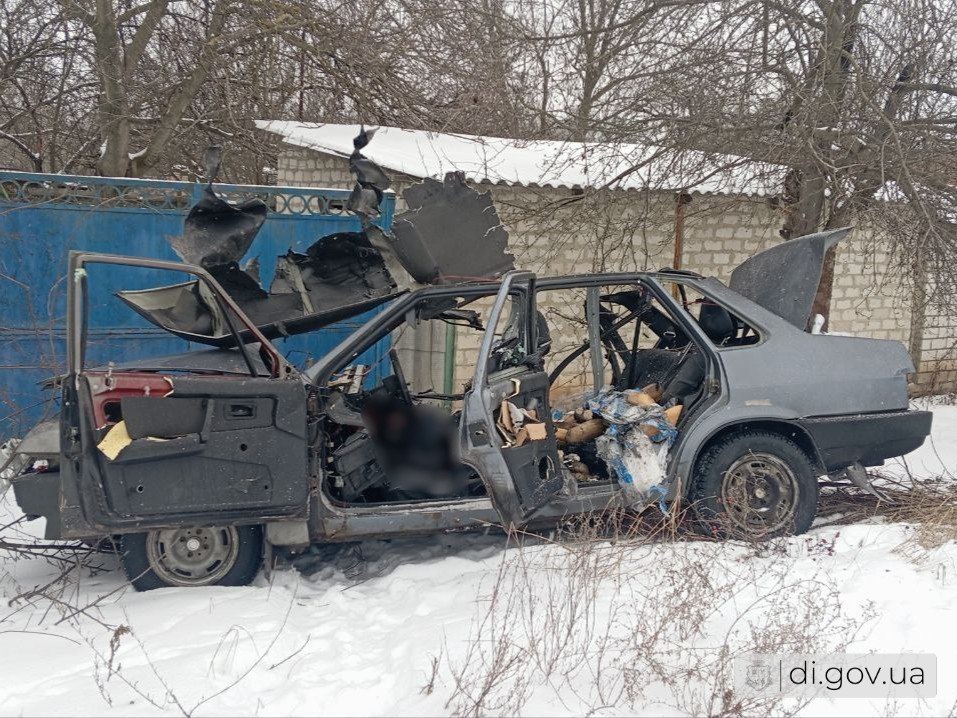
On the afternoon of January 22, Russian forces attacked the settlements of Kozacha Lopan and Ruska Lozova in Kharkiv Oblast. According to the head of the Dergachi City Military Administration, Vyacheslav Zadorenko, between 11:30 and 12:00 on the approach to Kozacha Lopan a FPV drone struck a civilian car in which two local volunteers were transporting bread for the village residents.
"Russian forces during the day on January 22 attacked the settlements of Kozacha Lopan and Ruska Lozova in Kharkiv region, as a result of which two volunteers were killed and another civilian was wounded."
— Vyacheslav Zadorenko, head of the Dergachi City Military Administration
The strike destroyed the vehicle; two men, aged 35 and 63, were killed on the spot. Around the same time, Russian forces attacked another civilian car in Ruska Lozova: two men managed to get out of the vehicle, one of them, aged 70, later sought medical assistance — his life is not currently in danger.
Context: a pattern of strikes on civilian infrastructure
This incident fits into a broader pattern of attacks in the Kharkiv region. A few days earlier, on January 19, shelling in Kharkiv city killed a woman, left ten others wounded, and caused significant damage to civilian infrastructure. Human rights organizations and military analysts have repeatedly warned that strikes on civilian objects and transport links undermine the ability to deliver aid and may constitute violations of international humanitarian law.
What this means for communities and volunteers
Volunteer supply chains are often the only support for restoring daily life in frontline communities. Attacks on civilian vehicles carrying humanitarian aid have several consequences: first, the direct loss of people and resources; second, increased risk and psychological pressure on those who continue to deliver assistance; third, the need for additional security measures, which slows logistics and raises operational costs.
Experts emphasize that reducing these risks requires coordination between local authorities, national security forces and international partners — from marking humanitarian transport to creating safe corridors and establishing early-warning systems for threats.
Conclusion
The deaths of the volunteers near Kozacha Lopan are not only a tragedy for their families and the community; they are a warning that strikes on civilian aid chains have jeopardized the delivery of the most basic items: bread, medicine, heat. The question now is how quickly and effectively the local and international community can strengthen protection of humanitarian routes and hold those responsible to account?