What happened
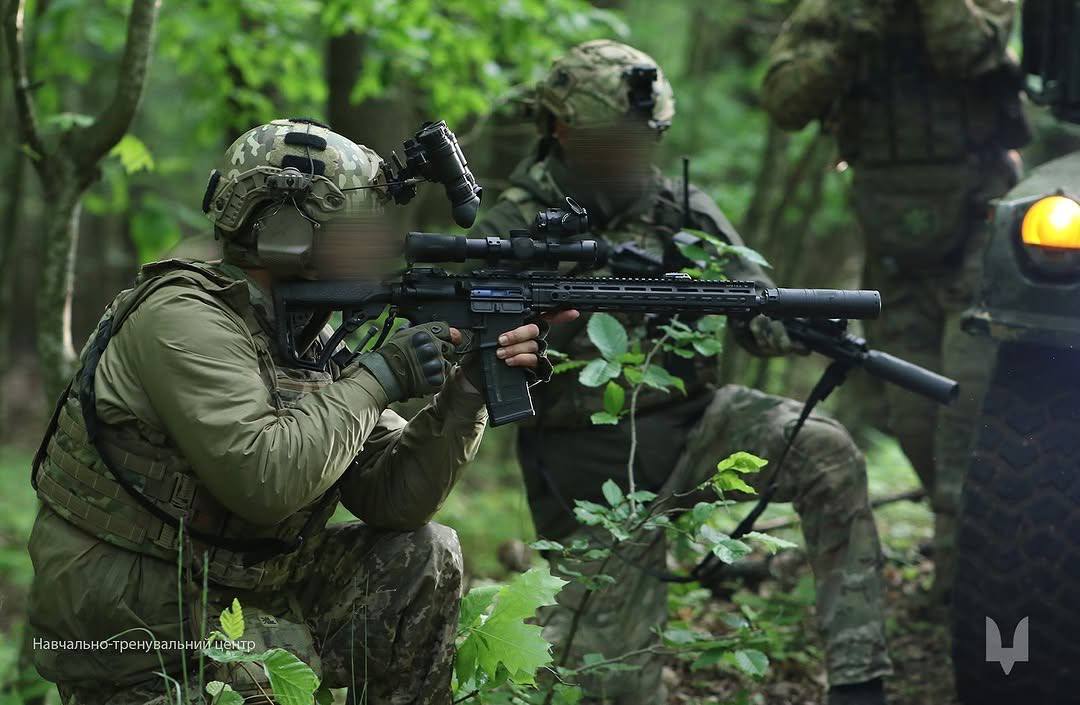
The Special Operations Forces Command reported on Facebook that Ukrainian special forces struck a drone operations center called "Rubicon" and its command post in occupied Donetsk. According to the co-owner of the drone-manufacturing plant Fire Point, the strike was carried out by Ukrainian FP-2 drones.
"The strike was carried out by Ukrainian FP‑2 drones"
— Denys Shtilerman, co‑owner of Fire Point (post on X)
At the same time, the General Staff of the Armed Forces of Ukraine reported damage to an aircraft repair plant in Russia’s Novgorod region, where, according to the command, a hangar for servicing Il‑76 and L‑410 aircraft was damaged.
"The hangar for servicing transport aircraft has been destroyed; the plant carries out a full cycle of repair and modernization"
— General Staff of the Armed Forces of Ukraine
Why it matters
Disabling the drone command center reduces the enemy’s ability to coordinate large waves of drone attacks and lowers the effectiveness of their reconnaissance‑strike operations. "Rubicon" previously featured in investigations — in particular LIGA.net described how it operated, which gave the Russians an advantage in local operations, notably around Pokrovsk.
The strike on the aircraft repair facility in the Novgorod region complicates the rapid return to service of heavy aviation equipment that supports logistics and reinforcement of forces at the front. Damage to hangars for Il‑76s directly affects the capability for mass transport and delivery of heavy cargo.
Context: who "Rubicon" is and why it matters
The "Rubicon" unit was discussed during the Kursk operation — it was then that this complex of drone systems demonstrated high effectiveness in adjusting strikes and reconnaissance, forcing the Defense Forces to shift positions. Experts note that a strike on such a center is not only a tactical victory but also a blow to the networked command structure of enemy UAVs.
Consequences and outlook
Short‑term: an expected loss of operational capacity in coordinating drone attacks on Ukrainian positions and a delay in preparing new waves of strikes.
Medium‑term: the enemy will be forced to spend resources to restore the control center and reconfigure communications channels. This increases logistical burdens and gives us a window for countermeasures in specific sectors of the front.
What this means for us
The synergy between special units and Ukrainian UAV manufacturers demonstrates the practical strength of integrated operations: technology + intelligence + direct action. This is an example of how precision strikes on key nodes of the enemy’s system reduce their tactical flexibility and bolster our defense.
Next, the ball is with the adversary and our partners: it is important to monitor whether Russia will be able to quickly restore Rubicon’s operations and how extensive the restoration of aircraft repair capacities will be. Answers to these questions will determine the pace and character of the next phases of the confrontation.





