What it's about
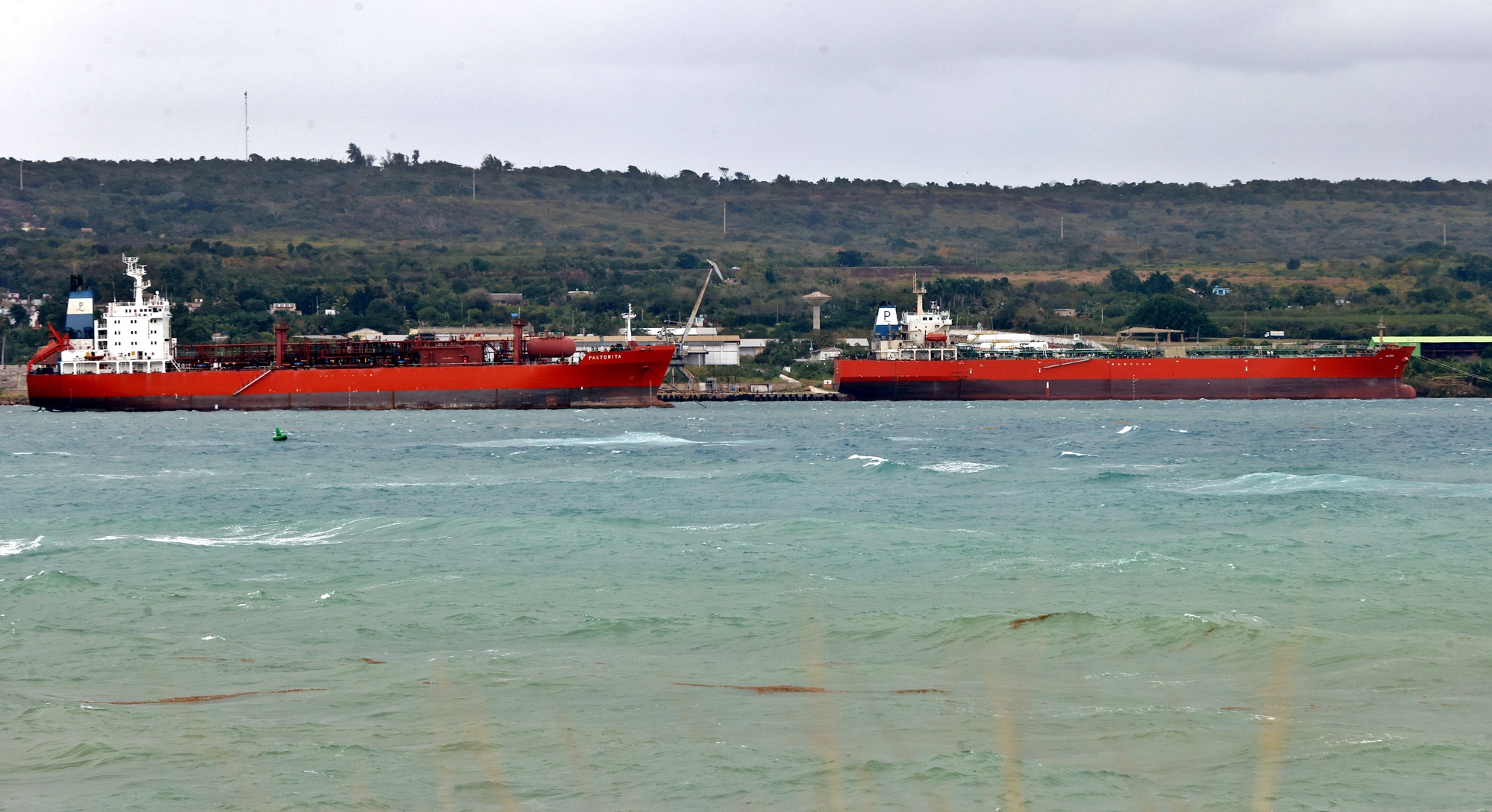
According to Politico, the administration of Donald Trump is considering several tactics to change the regime in Cuba, including a complete blockade on oil imports. The outlet cites three unnamed sources familiar with the discussions.
Those involved in the talks said that the halt of shipments from Venezuela has already significantly undermined Cuba's economy, and a total ban on oil imports would be a radical step. Some members of the administration, particularly those who favor a hard line against Havana, lean toward escalation; among the proponents Politico names Secretary of State Marco Rubio.
Why it matters
An energy blockade is not just a sanction against the elites: it directly affects people's lives. There are already power outages and shortages of basic necessities in Cuba; a complete ban on oil imports could worsen the humanitarian crisis. This is precisely what leads some U.S. officials to oppose such a scenario.
"Energy is a choking maneuver to destroy the regime. The overthrow of the communist government is 100% a 2026 event"
— one of the interlocutors, Politico (unnamed)
Context and parallels
No decision on a blockade has been made. It primarily functions as an instrument of pressure in a political game: logistically and legally, a total ban would require coordination, transit controls, and analysis of cost implications. Energy security analysts and human rights advocates warn that, even if the goal is regime change, the consequences could hit the civilian population and destabilize the region.
Why it matters for Ukraine
The mechanics of energy pressure are of fundamental importance to us: broadly speaking, this is one element of modern asymmetric conflict, where economics and logistics become weapons. The experience from Cuba shows how quickly energy decisions transform into humanitarian challenges and geopolitical precedents — and why it is important for Ukraine to monitor the standards for applying such instruments in international relations.
What next
While debates continue, the key question is how the international community will respond and whether mechanisms will be put in place to mitigate the impact on civilians. If a blockade becomes policy, it will test the limits of what is permissible in the use of economic pressure. A question worth noting: are partners willing to agree to measures that carry significant humanitarian risks?
Source: Politico (quotes — from the outlet's reporting). Analysis — at the intersection of energy security and international law.





