In brief: why this matters
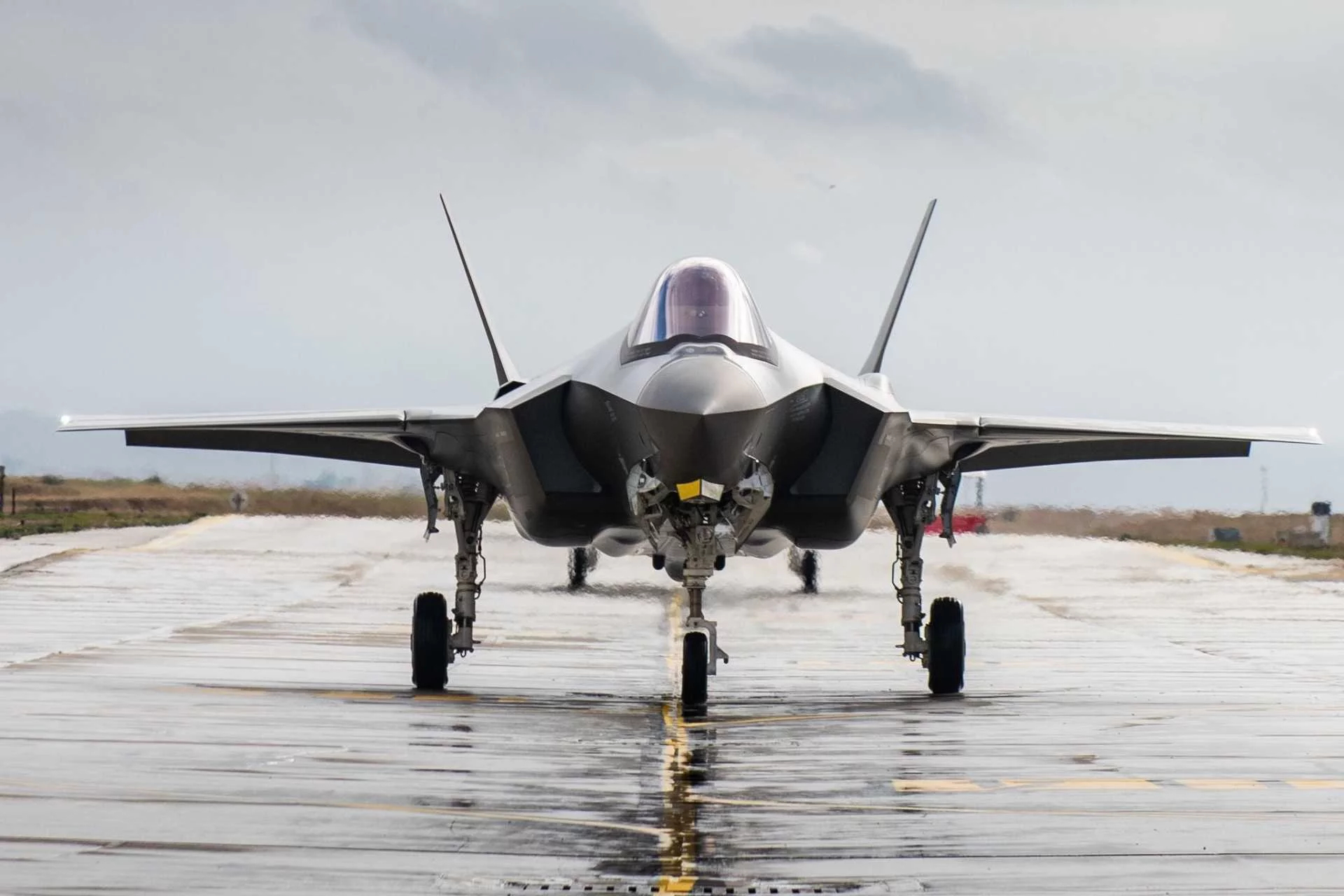
The Israeli Air Force has received three new fifth-generation fighters, F‑35I Adir, which arrived at Nevatim Airbase and were handed over to the “Lions of the South” and “Golden Eagle” squadrons. According to the Israeli Air Force, the aircraft are already engaged in missions — this is not just an increase in the fleet, but a strengthening of operational integration in the air.
What the F‑35I is and what sets it apart
F‑35I Adir is the Israeli modification of the American F‑35A. This version is equipped with national communications systems, electronic warfare systems, and its own combat data processing unit. Israel has also integrated its own munitions onto the aircraft — in particular the Python‑5 missiles and Spice guided bombs. Such localization allows it to preserve technical sovereignty and operational flexibility.
"The new aircraft were immediately transferred to combat squadrons and are already involved in carrying out missions."
— Israeli Air Force
Role in the system: the aircraft as a "coordination center"
The F‑35I can exchange data in real time with other aircraft, drones, and command posts. In other words, it is not just a weapons carrier — it is an airborne node that enhances the effectiveness of the entire combat network. Analysts note that these capabilities are changing aviation employment tactics: instead of isolated sorties, increasing attention is being paid to networked coordination and protected data exchange.
Context and implications
Israel received its first F‑35I in 2016; the goal is to form three squadrons totaling up to 75 aircraft. Receiving and integrating each batch is a gradual process of adapting the platform to national requirements and testing new tactics. This strategy increases resilience and creates an additional deterrent factor in the region.
What this means for Ukraine
For Ukraine, the key lesson is not just to buy modern equipment, but to be able to adapt it to its own needs and systems. Integrating national communications systems and weapons into a foreign platform increases decision-making independence and combat capability. While public attention is often focused on the number of aircraft, the real work is being done on interoperability, protected data exchange, and logistics — these elements determine the value of an air fleet in actual combat conditions.
Now the ball is in the court of production and political decisions: whether these deliveries will translate into a long-term advantage depends on the pace of integration and training, and on how partners will support modernization going forward.