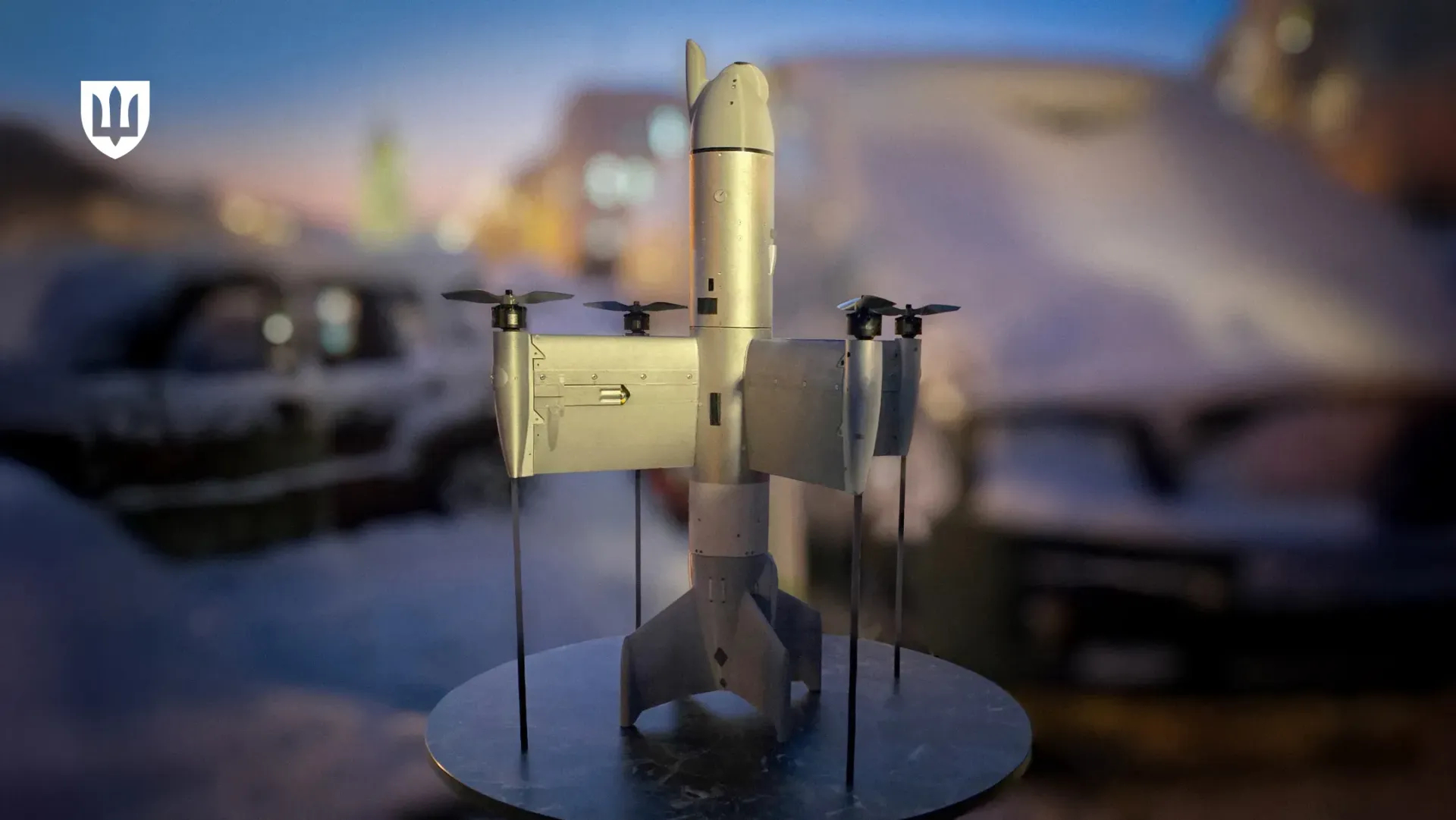
Demonstration in the spotlight
In Kyiv, a demonstration of the latest version of the Ukrainian interceptor drone Octopus took place for a United Kingdom delegation led by Deputy Prime Minister David Lammy. According to the Ministry of Defence, the Ukrainian side emphasized the high need for such systems to deny the skies to enemy UAVs.
"The Ukrainian side emphasized the high need for such drones to deny the skies to enemy UAVs."
— Ministry of Defence of Ukraine
Technology and combat use
Octopus is an interceptor drone with an artificial intelligence-based control system, developed within the Armed Forces of Ukraine. Its task is the detection and destruction of kamikaze drones such as Shahed. According to official data, the platform's effectiveness has been confirmed during combat use, giving it the status of a combat tool rather than merely an experimental platform.
License, production, scale
In November 2025, the defence ministries of Ukraine and the United Kingdom signed a licensing agreement that allowed the transfer of technologies for the manufacture of Octopus to British enterprises. Thanks to this, production capacity could reach several thousand units per month — and all such devices are intended to be sent to Ukraine.
In Ukraine, serial production was launched in November 2025; according to reports, from February it is planned to produce about 1,000 interceptor drones per month. This is an important step toward a stable supply of short-range air-defence systems that respond quickly to aerial threats.
Why it matters
First, this is not only about individual successes by engineers, but about a large-scale response to mass attacks by kamikaze drones. Second, licensing production in the United Kingdom means diversification of supply chains and additional capacity that can be quickly mobilised.
Analysts and military experts note that such systems work most effectively as part of a wider suite — together with electronic warfare assets and intelligence systems. So the issue is not only the number of units, but their integration into the overall defence system.
Conclusion
The demonstration for the delegation led by David Lammy confirms two trends: the technological maturity of Ukrainian developments and partners' readiness to invest in their replication. Now the key security question is whether these declarations and licenses will turn into regular supplies, logistics and rapid integration at the front. The answer to that will determine how quickly Ukrainian skies become less vulnerable to UAV strikes.