What happened
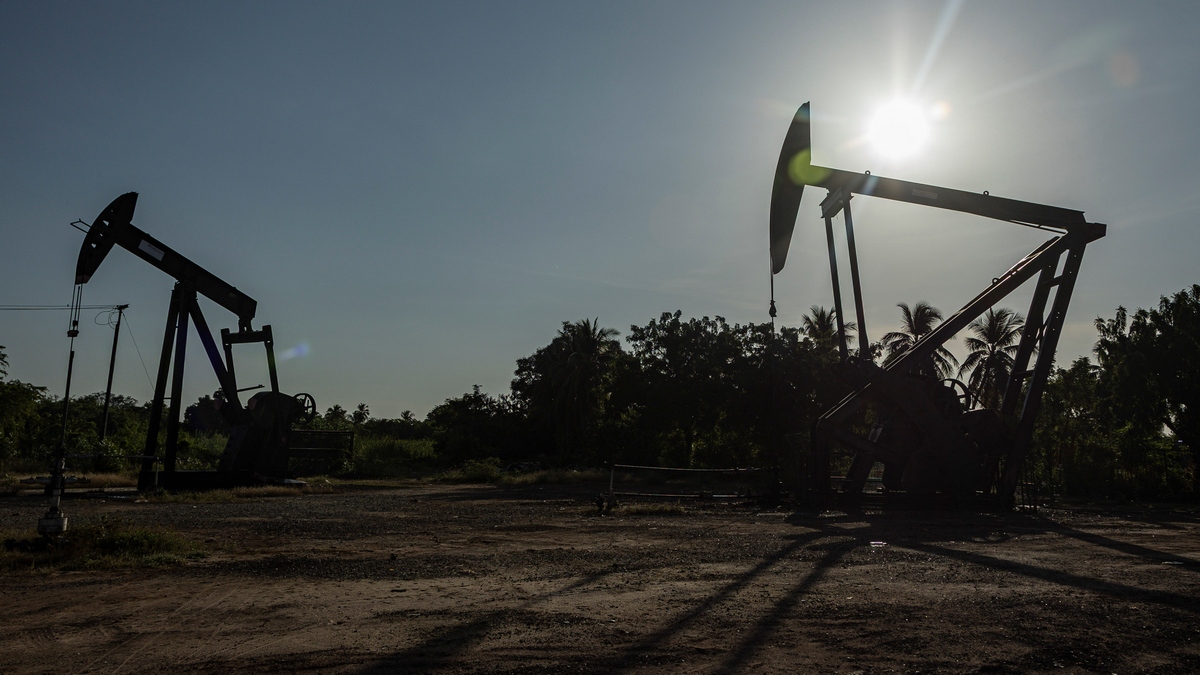
Bloomberg, citing analysis from Kpler and Vortexa, reports that the last two tankers with Venezuelan oil — Tamia and Loyalty, loaded in November–December — are rounding the Cape of Good Hope and heading to Asia. Their arrival is expected in February. Estimates suggest the volumes already en route or at some anchorage could supply China for approximately a month or two.
Why it matters
Context: Venezuelan oil was previously sold to China at a notable discount to Brent — sometimes up to $15 per barrel. According to trader Vitol, the discount has now narrowed to about $5, indicating a tightening of trade under pressure from sanctions and shipping risks.
Market implications
After these cargoes are exhausted, Beijing will have to either pay world prices for Venezuelan oil or switch to more expensive grades (for example, Canadian or Iranian). This increases the likelihood of a short-term rise in oil prices and amplifies market volatility.
What this means for Ukraine
Practical framework: higher global oil prices create risks for inflation, logistics costs, and Ukrainians' energy bills. At the same time, the situation demonstrates the effectiveness of sanctions pressure and international monitoring — an element that strengthens our partners' positions in combating circumvention of restrictions. For Ukraine, it is a signal to accelerate diversification of supplies and to bolster energy resilience.
"The last tankers to China effectively mark the end of a period of easy access to cheap Venezuelan supply; stocks will be sufficient for a month or two, after which the market will become tighter."
— Bloomberg data based on analysis from Kpler and Vortexa
Brief conclusion
This episode could push short-term price increases, but the long-term effect will depend on China's response, traders' adaptation, and further sanction steps. It is important for Ukraine to monitor these risks, prepare tools to contain inflation, and continue working with partners on energy security.