What the decision is
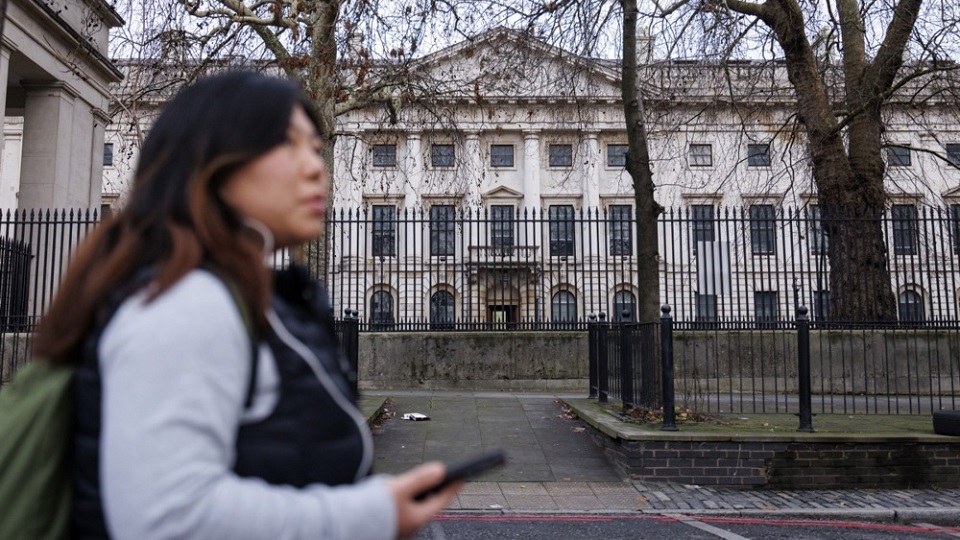
On 20 January the UK government permitted China to build on the site of the 200‑year‑old Royal Mint Court a new diplomatic complex of about 55,000 sq m — one of the largest embassies in the world. Reuters reports the decision was taken after a three‑year blockade by local authorities and protests by residents and Hong Kong activists. China bought the site in 2018 for £255 million, and the project had long been rejected over national security concerns.
Why it matters
The danger is not hypothetical: the project is located near London’s historic financial core, where fibre‑optic trunk lines serving banks and exchanges run underground. British and American politicians warned that a larger diplomatic complex would offer greater opportunities for intelligence activity and technical surveillance. The decision also coincides with an expected visit by Prime Minister Keir Starmer to Beijing, adding political tension.
"For the Royal Mint Court site, as for any foreign embassy on British soil, it is unrealistic to expect the possibility of completely eliminating all potential risks."
— Letter from MI5 and GCHQ
Political context and criticism
The opposition sharply criticised the decision: the Conservative Party called it "a shameful act of cowardice." Some members of the public and local residents have already announced legal action, arguing that the government may have given guarantees to the Chinese side before the planning process was complete.
"The approval is a shameful act of cowardice."
— Conservative Party
What the security services and allies say
MI5 and GCHQ participated in the approval process and proposed a package of measures to minimise risks; at the same time they explicitly state that it is impossible to eliminate all threats entirely. The decision is also an element of reciprocal pressure: Beijing previously blocked the UK’s plans to expand its embassy in Beijing, so London’s move has a diplomatic context of a quiet, reciprocal accommodation.
In addition, British intelligence warned about activity by Chinese agents on social networks — for example LinkedIn — and about recruitment attempts via staffing agencies. In the broader geopolitical context, this decision comes against growing tensions between London and Moscow: in mid‑January 2026 Russia expelled a British diplomat after allegations of spying.
Consequences and outlook
First, this is a test of mechanisms for protecting critical infrastructure in cities — whether the services can turn proposals into legally binding and technically effective guarantees. Second, the decision raises questions about reciprocity in diplomatic policy: if other capitals regard such moves as a precedent, it could complicate future negotiations over Britain’s diplomatic presence abroad.
For Ukraine and its allies the framing itself matters: the security of financial hubs and the transparency of decisions about foreign presence in major cities are issues not only of sovereignty but of the resilience of economic supply chains. Now the ball is with Parliament and the security services — whether they can ensure that declarations about security measures are converted into concrete, controllable mechanisms.
Sources
Main sources of information: Reuters; official statements from MI5 and GCHQ; public statements by political parties and reports from local activists.







