What happened
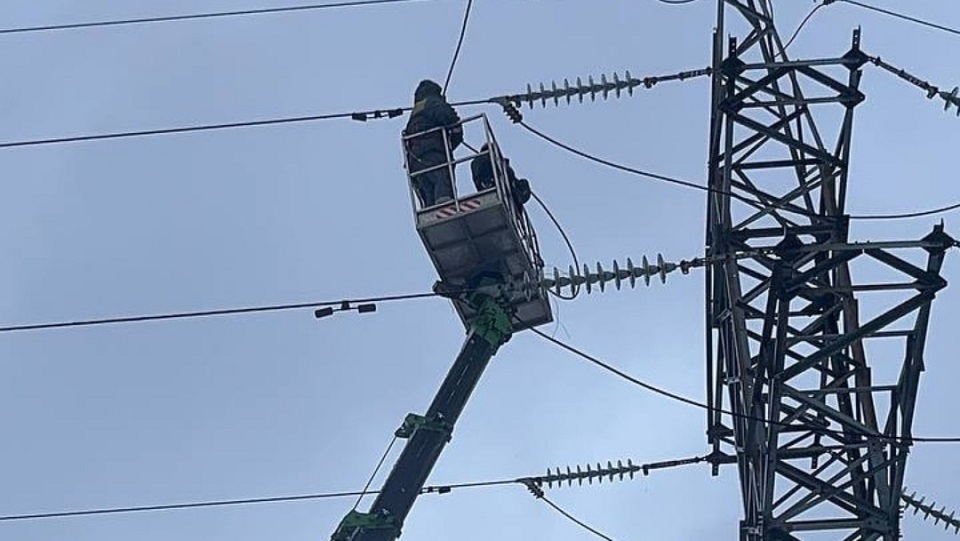
Energy services reported that they have restored power to all objects of critical infrastructure in Kyiv after a Russian combined attack on 20 January. However, this does not mean life has returned to pre-crisis rhythm: emergency outages continue, and the usual schedules for electricity distribution are currently not in operation.
"Due to the enemy's destruction of the capital's generation facilities, the situation remains most difficult in parts of the Dniprovskyi and Desnianskyi districts"
— DTEK, press service
Status at 15:00, 21 January
According to the company, as of 15:00 on 21 January about 44,000 households in Kyiv remain without power. President Volodymyr Zelensky, at a coordination meeting, said that about 4,000 buildings in the city are without heating in sub-zero temperatures, and almost 60% of consumers are without electricity (in his estimate).
At the same time, a difficult situation with energy supply has been recorded in other regions: Kharkiv, Chernihiv, Sumy and Dnipropetrovsk regions are also feeling the consequences of strikes on the power system.
Social and logistical context
Kyiv mayor Vitali Klitschko reported that after the massive strikes on critical infrastructure "hundreds of thousands" of people allegedly left the city; this claim underscores two things — the scale of the shock and the speed of household response to the threat. In December and January the capital endured several such waves of attacks, which complicates restoration work and strains logistics for delivering fuel, food and medical assistance.
Why this matters
Energy strikes in cold weather threaten not only citizens' comfort: without stable power it becomes harder for hospitals, heating systems, water supply and municipal pumps to operate. That is why the priorities for restoration — generation, substations and heat distribution points — determine how quickly the city will return to normal functioning.
What is being done and what to expect
Emergency crews continue restoration work; priority is given to facilities with the greatest social importance. Energy analysts emphasize that even after critical facilities are restored, local series of outages are possible until networks and generation are fully repaired. Partner assistance, backup power sources and coordination of municipal services remain decisive factors.
The question for city and state authorities and partners is simple: will there be enough resources to stabilize supply over the next few days and protect the most vulnerable groups of the population? The answer will determine how quickly Kyiv weathers this wave of attacks without critical social losses.
"For now the focus is on restoring key facilities; the next stage is returning electricity to homes and stabilizing heat supply"
— representative of emergency energy crews (generalized)
In short: critical infrastructure has been restored — an important victory for engineers and technicians. However, tens of thousands of households are still without power and heating, and restoring everyday living standards will require time, resources and clear coordination.