What happened
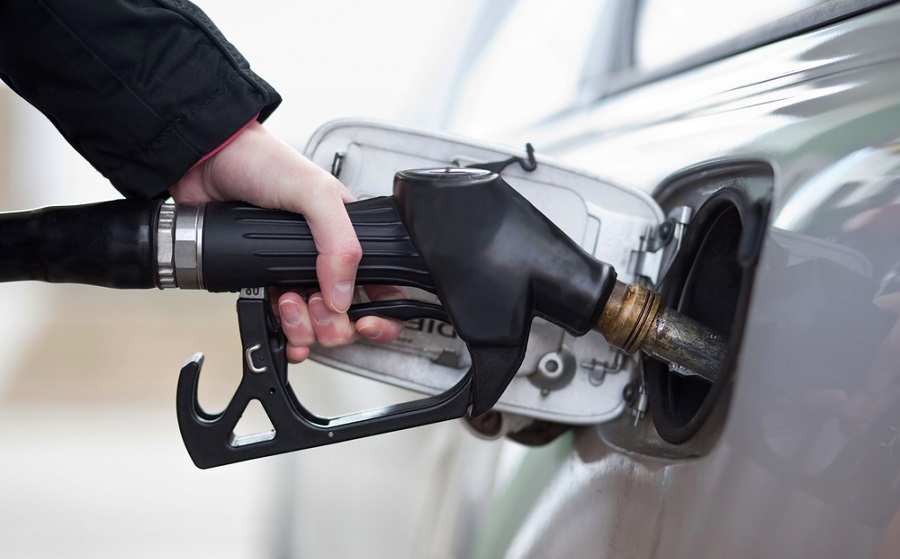
The Government of the Republic of Serbia at an extraordinary session decided to temporarily ban the export of crude oil and motor fuels — gasoline and diesel — by all modes of transport until March 19. The outlet Informer reports this.
"The ban applies to the export of diesel fuel, gasoline and crude oil by all modes of transport until March 19, after which we will make further decisions"
— Dubravka Djedović‑Handanović, Minister of Mining and Energy of Serbia (via Informer)
Why this was done
The official explanation is to protect the domestic market from shortages and a sharp rise in prices amid global instability. The statement emphasizes that the decision is temporary and aimed at avoiding local fuel shortages during acute fluctuations on the world market.
Context: not an isolated move
Since early March oil prices have shown sharp volatility (peaking at around $120/barrel), which has been linked to the escalation of the conflict in the Middle East. Against this backdrop several countries have already taken or are taking similar measures: according to international media, China ordered major refineries to temporarily suspend exports of gasoline and diesel for new contracts; Thailand announced a temporary ban; other countries are introducing alternative market-stabilizing tools.
Who else is taking emergency action
Approaches vary: in some places there are direct bans, in others price limits or removal of duties. For example:
- China — suspended exports on new contracts for gasoline and diesel (according to media reports).
- Thailand — temporary bans to protect domestic supplies.
- Vietnam — abolished import duties on fuel to accelerate supply increases.
- South Korea — introduced mechanisms to curb prices.
- India — returning to varied sources of supply, including from Russia, in reaction to the new risks.
What this means for Ukraine
Ukraine's direct dependence on Serbian fuel exports is low, but markets are connected. Temporary restrictions in the region and a proportional global reaction by exporters could increase price pressure in Europe and raise the cost of imported fuel for the end consumer.
At the same time, the Ukrainian government has already announced a number of practical steps: Prime Minister Yuliia Svyrydenko reported on market-stabilization measures, and the state company Ukrnafta will begin selling fuel with a minimal commercial markup to soften the blow for consumers.
Analysts consulted by Ukrainian media (notably LIGA.net) note that such measures provide a short buffer but do not solve the long-term vulnerabilities of supply chains and pricing.
Practical consequences and recommendations
In the short term: possible price volatility at fuel stations and an increase in import costs. Measures that can help reduce risks include: rapid replenishment of strategic reserves, diversification of suppliers, acceleration of logistical corridors, and targeted support for the population to mitigate the impact on the most vulnerable groups.
Conclusion
Serbia's temporary ban is a symptom of a broader trend: in periods of global uncertainty states resort to tools to protect their domestic markets. It is important for Ukraine not only to respond with local measures but also to strengthen long-term energy resilience. Now it's up to partners: will their declarations turn into concrete supplies that keep prices stable for Ukrainian consumers?
Sources: Informer, LIGA.net and public statements by the governments of exporting countries.