Briefly
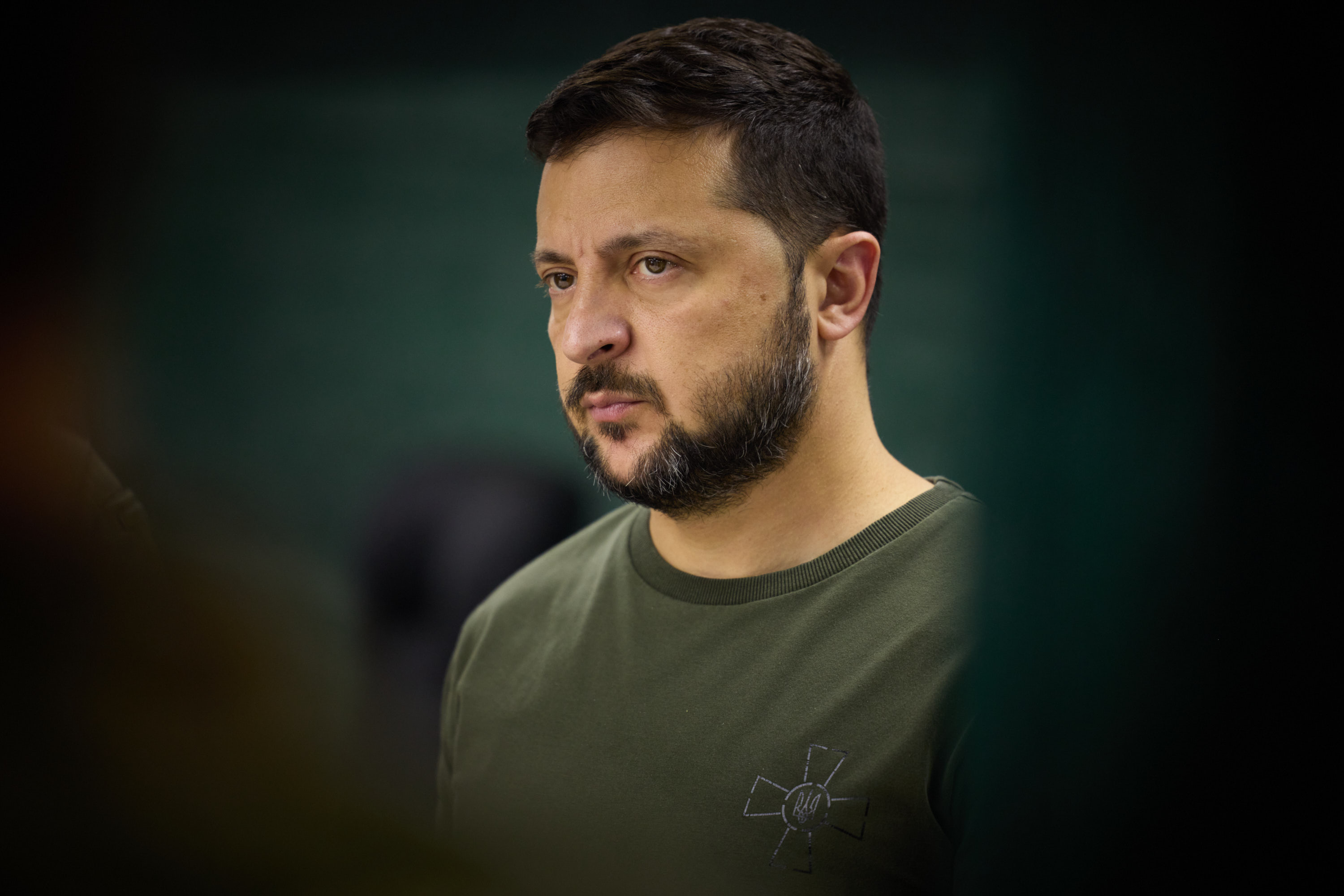
President Volodymyr Zelensky in an evening address gave the government a deadline — January 21 — to provide a "clear list of actions and decisions" regarding energy supply and heating in the regions. This is a response to new missile-and-drone attacks that reduced the energy system's throughput and led to mass outages.
Facts
As of the evening of January 20, in Kyiv more than 1 000 000 consumers were left without power after another attack. More than 4 000 apartment buildings are without centralized heating; on the Left Bank about 3 500 buildings are temporarily without water. On January 19 Prime Minister Denys Shmyhal reported that it has so far not been possible to cancel emergency outages.
"Government officials must offer unconventional proposals that will protect lives and how to rebuild operations — how to support people, how to support business... Personal responsibility of the government for this — tomorrow I expect a concrete, clear list of actions and decisions."
— Volodymyr Zelensky, President of Ukraine
Why this matters
Power and heat outages are not just an inconvenience. They pose risks to hospitals, utility systems, transport and small businesses. Energy experts warn: without prompt coordination of generation redistribution and the logistics of fuel and component supplies, recovery will take significantly longer and the costs of the consequences will rise.
What the president demands
Zelensky emphasized three key demands: the presence of officials on the ground, personal responsibility of energy company leaders, and maximum coordination with business on redistribution of generation. In other words — decisions must not be declarative, but practical and measurable.
What this means for Kyiv residents and how to act
In the coming days expect temporary outage schedules, warming centers and mobile crews. Residents are advised to follow official messages from the city council and regional authorities, organize help for vulnerable neighbors, and minimize unnecessary electricity consumption.
Briefly on possible government steps
- prioritization of the restoration of critical infrastructure (hospitals, pumping stations);
- deployment of mobile generators and warming centers;
- temporary rules for redistribution of power capacities with involvement of private generation;
- logistical support for transporting fuel and materials.
Conclusion
The situation has escalated due to deliberate attacks on the energy system — now the ability of state institutions to act quickly and in a coordinated manner is being tested. If tomorrow the government presents a clear, actionable plan with concrete timelines, the risks will be significantly reduced. Otherwise — the issue of Kyiv residents' safety and comfort will remain on the agenda for a long time.





