Systemic truth without pomposity: why Pistorius's statement matters
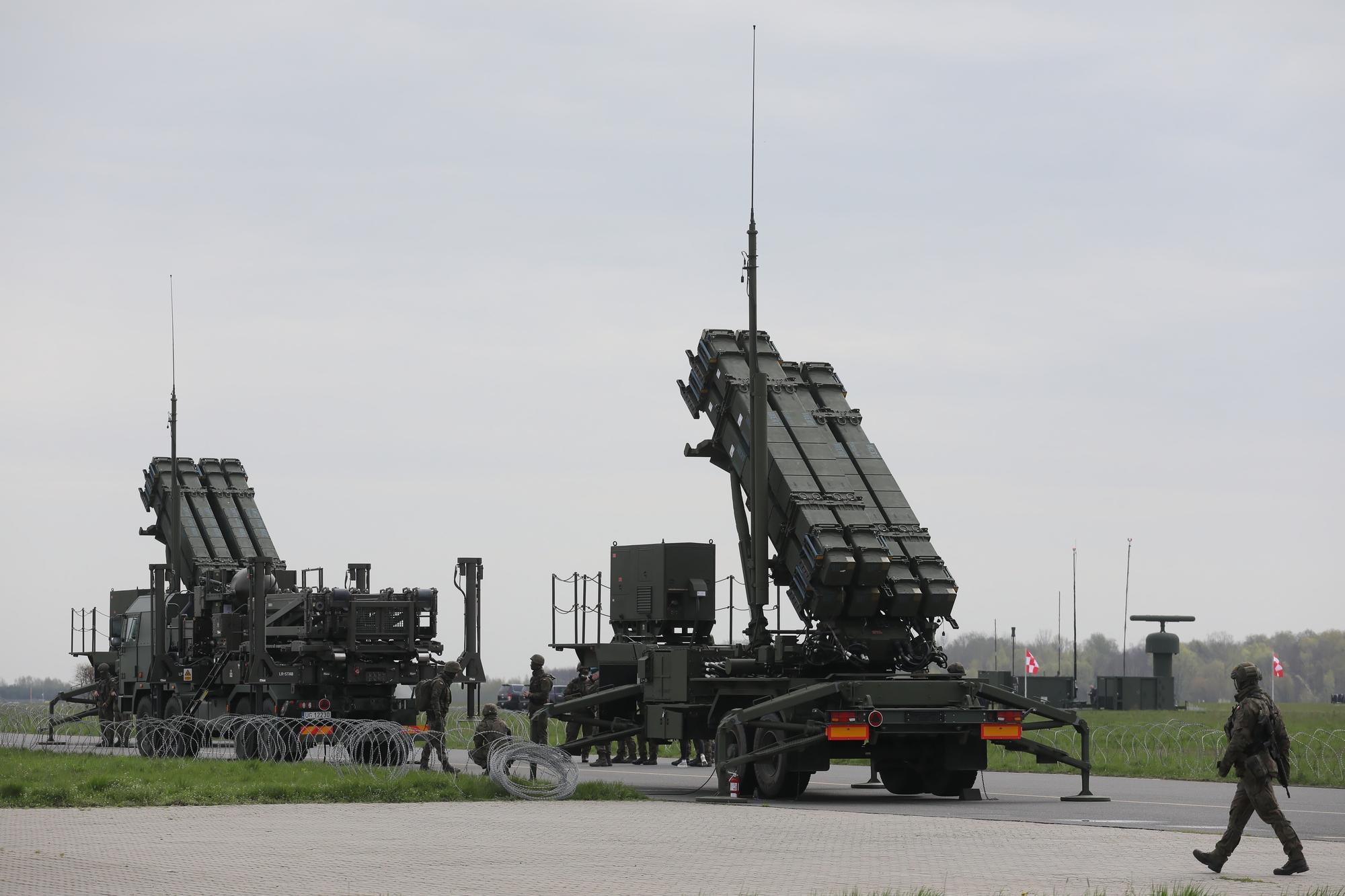
German Defense Minister Boris Pistorius on January 26, after a joint press conference with the Lithuanian defense minister, said that Berlin can no longer supply Patriot systems at previous volumes — German reserves have been exhausted due to transfers to Ukraine. The report is cited by Die Zeit; its essence concerns not emotions but logistics and defense planning.
"We cannot provide more because we ourselves are waiting for replacement deliveries"
— Boris Pistorius, German Minister of Defense
Context: what exactly Berlin has done
According to Pistorius, Germany has transferred a large part of its air-defense arsenal to Ukraine and continues to supply Iris‑T systems, which he called an important part of the defense. A brief chronological overview of the latest deliveries:
- 16 December 2025 — Germany delivered two Patriot air-defense missile systems and one Iris‑T system to Ukraine.
- 1 January 2026 — two more Patriot systems entered service with Ukraine, linked to deliveries from Germany.
Consequences: why this is not just a German problem
The lack of further Patriot deliveries from Berlin means other partners will have to cover the shortfall or the need for alternative solutions will grow. It's not only about launchers but also about missiles, maintenance, personnel training and logistics — all of which determine air-defense combat readiness in the short term.
"Partners have begun to 'hold back' missiles for air defense"
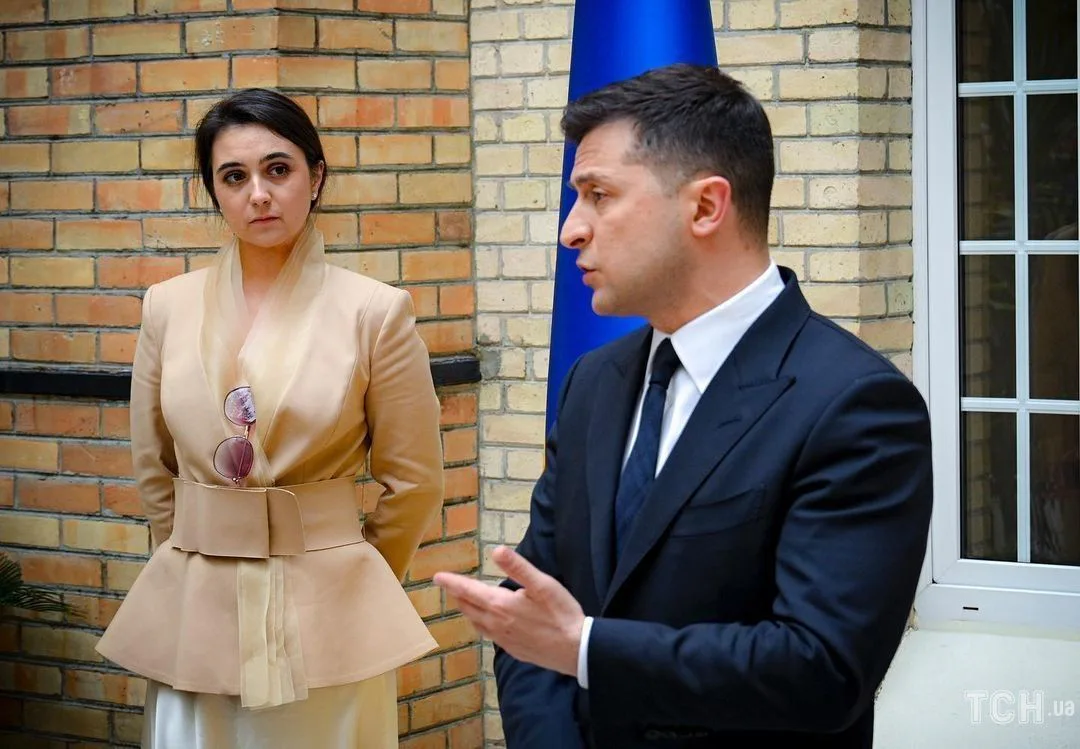
— Volodymyr Zelenskyy, President of Ukraine (statement 20 December 2025)
President Zelenskyy also reported a "positive" response from the US administration regarding missiles for Patriot (23 January), but stressed the need to accelerate deliveries. This underscores the main logical point: declarations must become material deliveries.
What to do next: priorities for partners and Ukraine
Analysts and military experts point to three critically important areas: delivery of ammunition (missiles), replacement lines for equipment in donor countries, and rapid training of personnel and maintenance. If allies turn political statements into concrete deliveries — Ukraine's air-defense effectiveness will rise quickly.
Pistorius says Germany has made a significant contribution. Now the question for others: will they be able to quickly close the shortfall that has formed, and do so taking into account the needs of the front, not just political calendars?