In brief
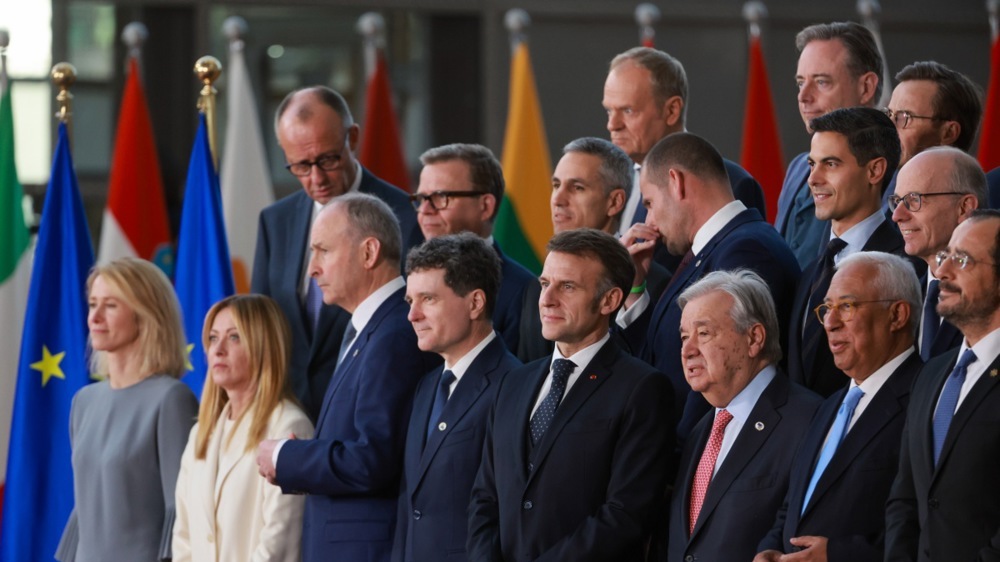
At the EU summit in Brussels, leaders failed to agree on allocating a loan to Ukraine of €90 billion. The reason — Orbán's ultimatum demanding the restoration of transit of Russian oil through the "Druzhba" pipeline. Closed-door talks lasted more than 90 minutes and were heated (source: LIGA.net).
What exactly happened
According to LIGA.net, during the discussion Viktor Orbán twice told colleagues directly: he will not support the loan to Ukraine if supplies via "Druzhba" are not restored. This turned the question of financial assistance into an energy lever that Hungary is using to pressure the EU.
If I don't get my oil, there will be no loan
— Viktor Orbán, Prime Minister of Hungary
Why this matters for Ukraine
The conclusions of the European Council still expect the first tranche by early April, but the decision has not been adopted. According to LIGA.net interlocutors, the state has a financial "cushion" of about a month to a month and a half. If the tranche does not arrive on time, risks will arise for regular payments, including military pay — this directly affects the ability to maintain an effective defense system.
Positions of the parties and arguments
Budapest appeals to energy needs and the technical condition of the pipeline after the January attacks. Kyiv insists that the restoration of transit via "Druzhba" amounts to a softening of sanctions toward the aggressor country — a position voiced by the President of Ukraine. At the same time, the European Council directly criticizes the use of such levers, as they undermine the bloc's collective decisions.
This is unacceptable
— António Costa, President of the European Council
What the EU is doing
Meanwhile the European Commission has set up an expert group for a technical audit of "Druzhba" to verify the nature and extent of the damage from the attacks on 27 January. LIGA.net also cites diplomatic sources indicating the possibility of returning to the issue at the June summit — but for Ukraine time is limited.
Possible developments
Politico reported that the EU has a "Plan B" in case of a Hungarian blockade: mechanisms that would allow partially circumventing the unanimity requirement or deploying other financial instruments. However, legal and political procedures take time, and the practical effect of these scenarios is not yet clear.
Conclusion — what's next
This is not just about money. It tests the EU's ability to separate the energy interests of third countries from collective decisions and determines how quickly partners can turn declarations into concrete support for Ukraine. If Brussels does not find technical and political workarounds, the coming weeks will be critical for the financial stability and combat readiness of our state.
Question for negotiations: does the EU have the political will and legal instruments to ensure Ukraine receives timely assistance without concessions on energy sanctions? The answer to this question will determine not only budgetary flows but also the prospect of European solidarity in the coming months.
Sources: LIGA.net, Politico, official statements by leaders at the EU summit.





