Briefly
Yurii Butusov in an interview with LIGA.net warns that with the arrival of warmer weather and the thawing of the ground Russia may gain a "window of opportunity" for a new offensive — roughly from mid-April. This concerns not only tactical maneuvers but also the enemy's ability to conceal forces and restore logistics.
Why this matters
In winter our forces have several advantages: UAVs operate more effectively in the cold, thermal sensors more accurately detect movement, and it is harder for the enemy to carry out assault operations due to climatic and logistical constraints. When the ground thaws and leaves appear, these advantages weaken — the possibility of concealment, maneuvering, and accumulation of reserves without detection increases.
"Therefore time is determined by weather conditions. We need to act quickly so that by the time the enemy begins advancing again — and he will begin advancing in April — more active measures will have been taken so that we are ready to meet him. So that the Russian offensive that will start can be effectively destroyed this year."
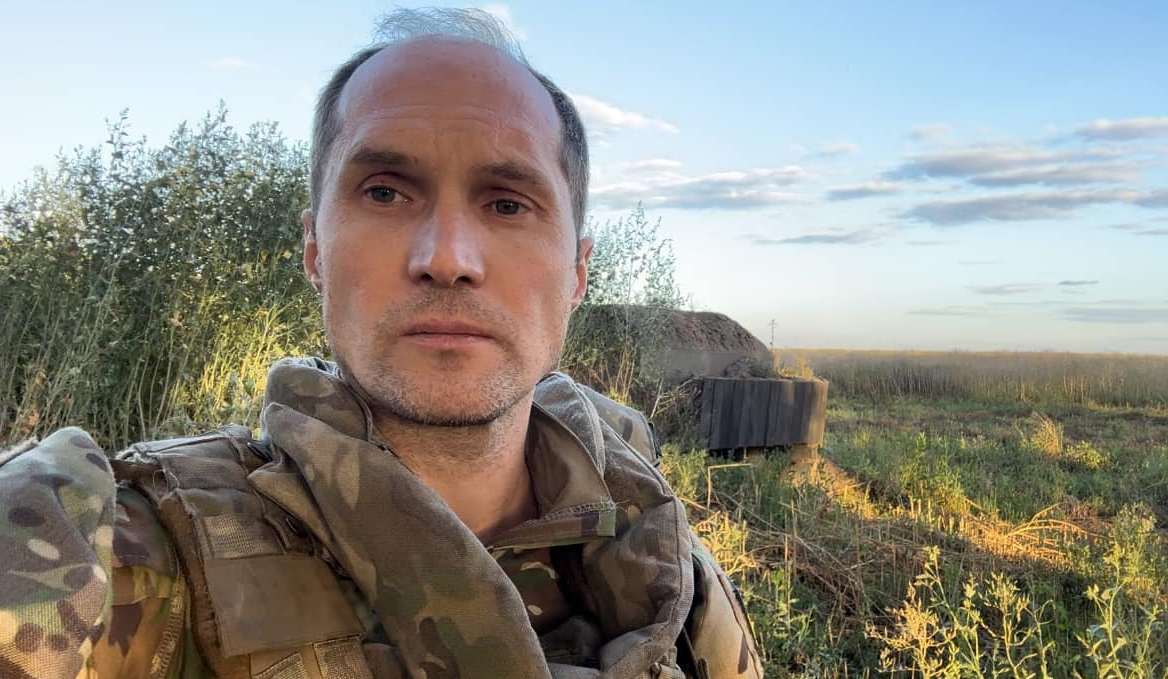
— Yurii Butusov, serviceman of the Khartiya Brigade and military journalist
Context and signals from sources
This warning echoes other signals: Bloomberg noted in February that Russia's mobilization does not make up for its losses, and therefore the Kremlin may try to refocus efforts on selected directions (the Donbas or Zaporizhzhia). On March 3 Volodymyr Zelensky reported that the Russian army had stopped growing, but on March 6 he warned about preparations for a spring offensive. Commander-in-Chief Serhiy Syrskyi also recorded changes in the front's dynamics at the start of the year.
What this means in practice
For the Armed Forces of Ukraine and partners this means two simple and interconnected things: first, make the most of the current "winter" window to destroy enemy firing positions, logistics, and stockpiles; second, accelerate the preparation of defensive lines and reconnaissance where concealment and maneuvering will become easier after the thaw. It is also critical to keep the sky under control and deny the enemy opportunities for hidden concentration of forces.
A sober forecast
The likelihood of escalation in April is significant, but not inevitable — everything depends on the pace of our forces' preparations and on partners' ability to turn political declarations into real deliveries and intelligence. Different scenarios are possible: from local attempts at breakthroughs to larger offensive actions in certain sectors. The question for state and military leaders and partners is: are there enough resources and time to turn this warning into concrete countermeasures?
Quick summary for the reader: this winter has given Ukraine tactical advantages — they must be used now to minimize the risk when it warms up.





