Course of the attack: numbers and facts
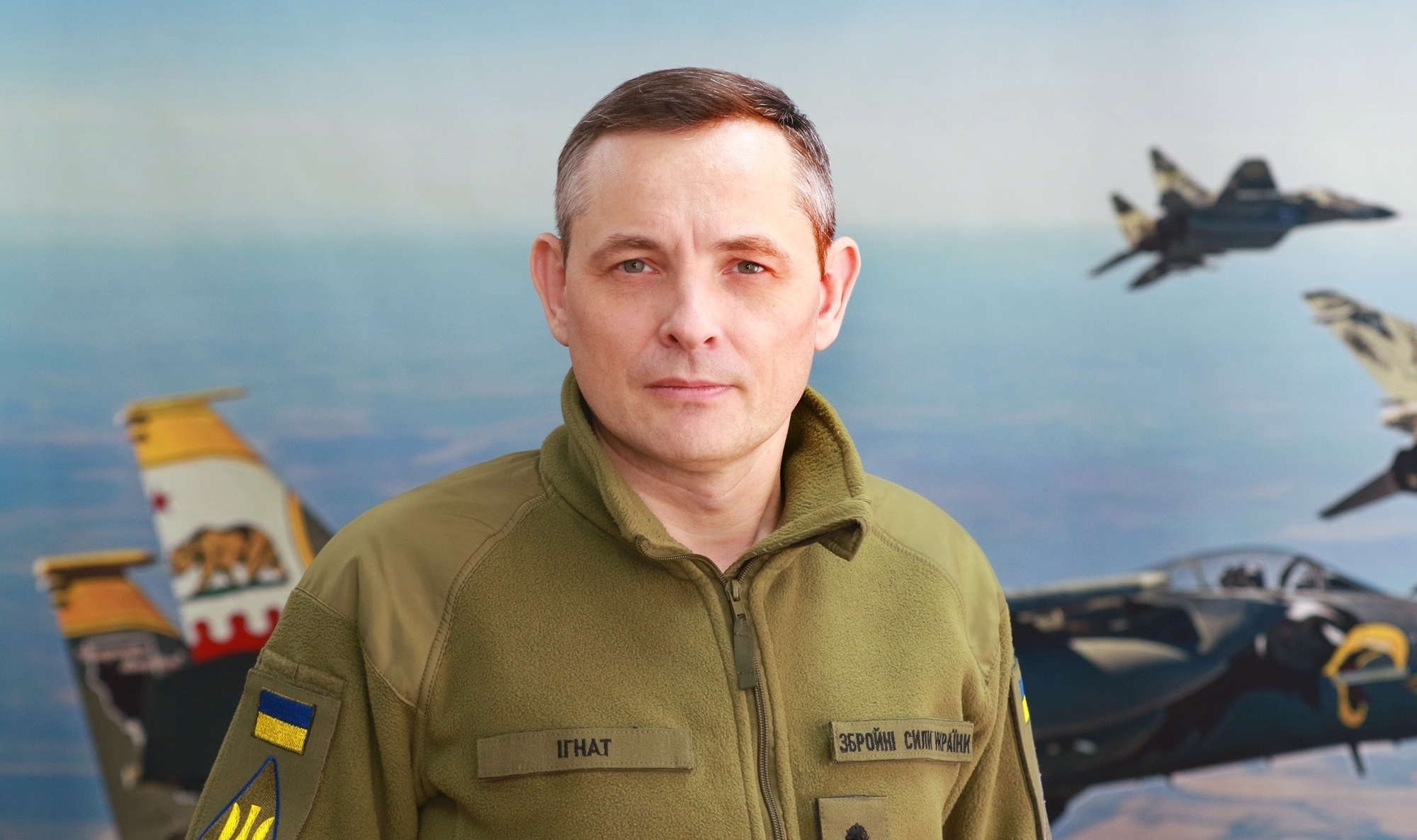
In the night attack on Kyiv Russia used 12 Kh-22 missiles, said Yurii Ihnat, head of the Communications Department of the Air Force Command, on KYIV24. According to him, of those 12 missiles two struck critical infrastructure objects, and nine more were shot down — a rare case for this series of weapons.
It was part of a wider wave: on the night of January 24 across Ukraine 21 missiles and 375 drones were launched. Air defense forces shot down 357 drones and 15 missiles. As a result of the strikes one person was killed and four wounded in Kyiv; in Kharkiv 19 people were injured, and residential and medical facilities were damaged.
Why the Kh-22 was chosen — tactics and the missile's capabilities
The Kh-22 (and its Kh-32 modification) is a Soviet-designed missile with a specific purpose: striking carrier groups and important sea or land targets at long range. It has a warhead weight of about 950 kg and travels on a trajectory close to ballistic at a speed of roughly 4,000 km/h. It is precisely because of these characteristics that it is harder to intercept than a typical cruise projectile.
According to Ihnat, before the strike the occupiers redeployed Tu-22M3 aircraft closer to Ukraine — to airfields they normally use — which allowed them to carry out such a mass launch.
"The enemy used 12 of these missiles against Kyiv today from strategic aviation aircraft... 12 missiles against the capital is a precedent-setting case"
— Yurii Ihnat, head of the Communications Department of the Air Force Command
Why they are difficult to shoot down and the role of partners
Ihnat explains the low percentage of shot-down Kh-22s by saying that, although these missiles are called cruise missiles, they attack along a fast, "sub-ballistic" trajectory. According to official assessments, modern systems of the Patriot class are effective for reliably intercepting such targets and were used during this attack.
There is an important message for our partners: not declarations, but real air defense systems and timely deliveries increase the protection of cities and critical infrastructure.
Consequences for civilians and infrastructure
In the capital about 6,000 homes are without power; in the Chernihiv region hundreds of thousands of subscribers have been left without electricity. Residential buildings and cars were damaged; in Kharkiv medical facilities were affected, including a maternity hospital. This is a strike against people and against the state's ability to provide basic services.
"This was a strike not only against Ukrainians, but also against the negotiating table — Putin's place is not in the Peace Council, but on the dock of a special tribunal"
— Ministry of Foreign Affairs of Ukraine
What it means for security and what to expect next
The return to use of the Kh-22 indicates two things: first, Russia is prepared to use even rare and heavy carriers to create psychological and infrastructural pressure; second, it's a test of our ability to protect energy infrastructure and cities. The situation underscores the obvious need to increase the number of modern air defense systems, speed up restoration work, and strengthen power supply networks.
Analysts point out that waves of strikes on infrastructure often have both tactical and political goals — to cut off resources before critical negotiations or to create additional problems for the rear. Now the move is up to our partners: will international declarations turn into concrete deliveries that strengthen the defense of our cities and energy sector?
In short: 12 Kh-22 — a rare but dangerous operation; a significant portion of the missiles were shot down, but two hits caused serious consequences for infrastructure. The question remains the speed of air defense deliveries and the restoration of power networks.





