What happened
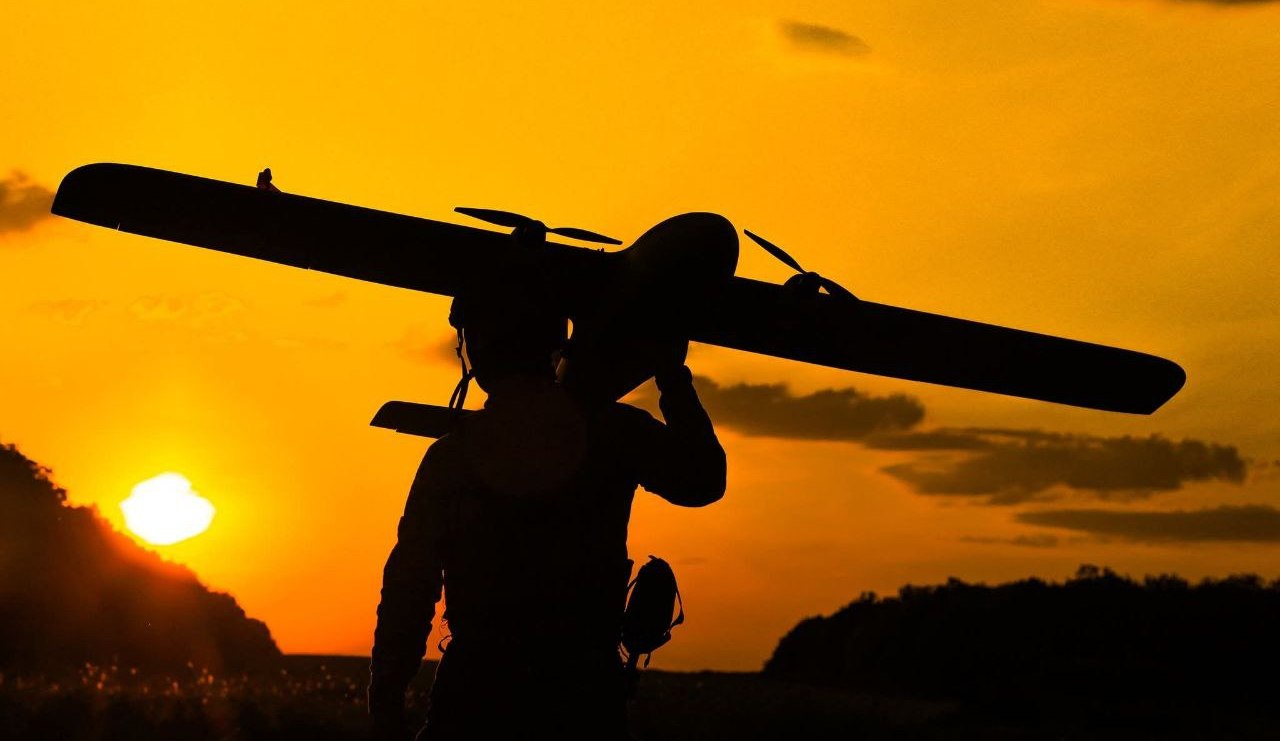
Reuters, citing interlocutors and company representatives, reports that the US and Qatar are negotiating the purchase of Ukrainian P1-SUN interceptors from SkyFall. The Ukrainian company says it is ready to export the systems — provided it receives government permission and without harming the country’s defense capability.
Production potential and key figures
According to SkyFall, in four months of operation the P1-SUN interceptor has shot down more than 1,500 “Shaheds” and about 1,000 other drones. The company estimates production capacity at up to 50,000 units per month and says it can export between 5,000 and 10,000 drones without weakening supplies to the Armed Forces of Ukraine. For Ukrainian forces the cost of one unit is about $1,000; the export price is likely higher.
Limitations: pilots, permits and remote control
SkyFall points to two key constraints: government permission to export and a shortage of trained crews in the export region. Ukraine is currently the only country whose operational practice includes combat use of these systems. The company runs its own academy with three-week courses and is ready to send instructors if the government allows. Work is also underway on a remote-control model, where launch and operation are conducted from a screen in Ukraine, which reduces some of the risks of sending personnel abroad.
"We have received inquiries and seen interest from our (allies) and Middle Eastern countries... The company is ready to provide any necessary assistance if we receive permission from our government"
— Ares, a SkyFall representative
Why this matters for Ukraine and partners
First, it confirms that the Ukrainian defense industry has a competitive product that can address real challenges posed by Iranian drones in the region. Second, exporting such systems is not just about money; it is diplomatic leverage and an opportunity to obtain critical air-defense weapons from partners. Third, risk management remains key: the government must guarantee that exports do not reduce the Armed Forces' ability to respond to threats.
International media have also noted this: the FT and Reuters pointed to growing Pentagon interest in Ukrainian solutions against Shaheds, and LIGA.net analyzed possible assistance and exchange scenarios (for example, drones in exchange for air-defense missiles).
Conclusion
The decision to export interceptors is not only commercial. It is a question of balancing the economic potential of the Ukrainian defense industry, diplomatic opportunities, and security guarantees for the front. If the government, the manufacturer and partners agree on terms (technical support, training, remote control and transparent guarantees), this could become an example of how Ukrainian industry turns combat experience into a sustainable export success. But the final word is Kyiv’s: will the country pursue large-scale exports, or give priority to internal security?





