While attention is focused on the headlines — human life is at the center
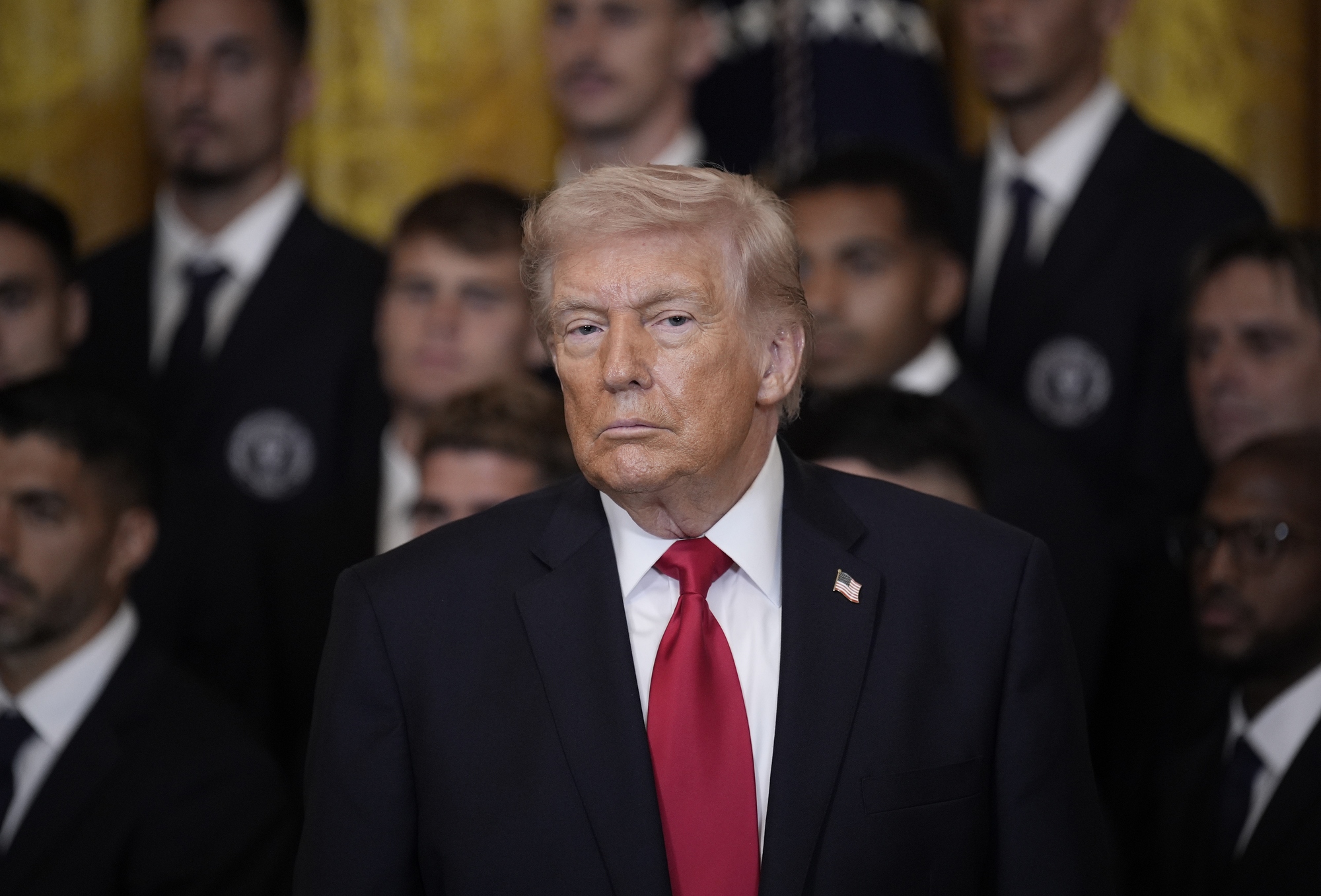
Donald Trump, in a post on Truth Social, urged Australian Prime Minister Anthony Albanese not to deport the Iranian women's national football team, asserting that returning to Iran poses a threat to the athletes' lives. The public appeal added international pressure around an incident that began when part of the team refused to perform the national anthem during one of the matches at the Asian Cup.
What happened (facts)
According to Reuters and CNN: during the tournament part of the Iranian players stood silently while the anthem was performed. In subsequent matches the team's composition behaved differently — some performed the anthem, others gave a military salute. After one match several players left the hotel and are currently, according to CNN, under police protection in Australia.
Iran's state broadcaster and presenters on state TV reacted harshly, calling the players "traitors"; such rhetoric creates a real risk of persecution after a possible return. FIFA told CNN that it is in contact with organizers and interested parties.
"Australia is making a terrible humanitarian mistake by allowing the Iranian women's national football team to be forcibly returned to Iran, where they will most likely be killed"
— Donald Trump, politician (post on Truth Social)
Reactions and risks
Human rights activists and diaspora leaders emphasize: public accusations of treason on state TV during wartime can mean criminal and extrajudicial consequences for the athletes if they return. Hadi Karimi from the Iranian community in Australia reports cases in which players made international gestures for help during the incident, and part of the team sought protection.
"No group of athletes should be effectively held hostage by their own member federation and deprived of access to external support networks"
— Craig Foster, former Australian national team player and human rights advocate
"I call on the Australian government to ensure their safety and provide any necessary support"
— Reza Pahlavi, public figure (son of the Shah of Iran)
Context and possible scenarios
Key point: the issue is not only about sporting discipline, but about the right to life, liberty and political expression. The actors involved — Australian law enforcement, football institutions (FIFA/AFC), diaspora representatives and international human rights organizations — can influence the outcome. Possible actions include providing temporary protection in Australia, coordinating with third countries for relocation, or intervention by international federations to guarantee the athletes' safety.
For Ukraine this story is a reminder that questions of security and the right to political expression have international resonance: the reactions of governments and federations affect not only reputations but people's real lives.
What next?
For now it is important to monitor official decisions by Australian authorities and statements from FIFA/AFC. International pressure and public appeals, such as Donald Trump's post, raise attention to the case — but the final resolution will depend on legal steps and practical decisions on the ground. Whether countries and football institutions will turn that attention into concrete protection is the key question in the coming days.
"There is hope that other players will join those who are now safe — for some, this is already amazing news"
— Hadi Karimi, human rights activist and member of the Iranian community





