What happened
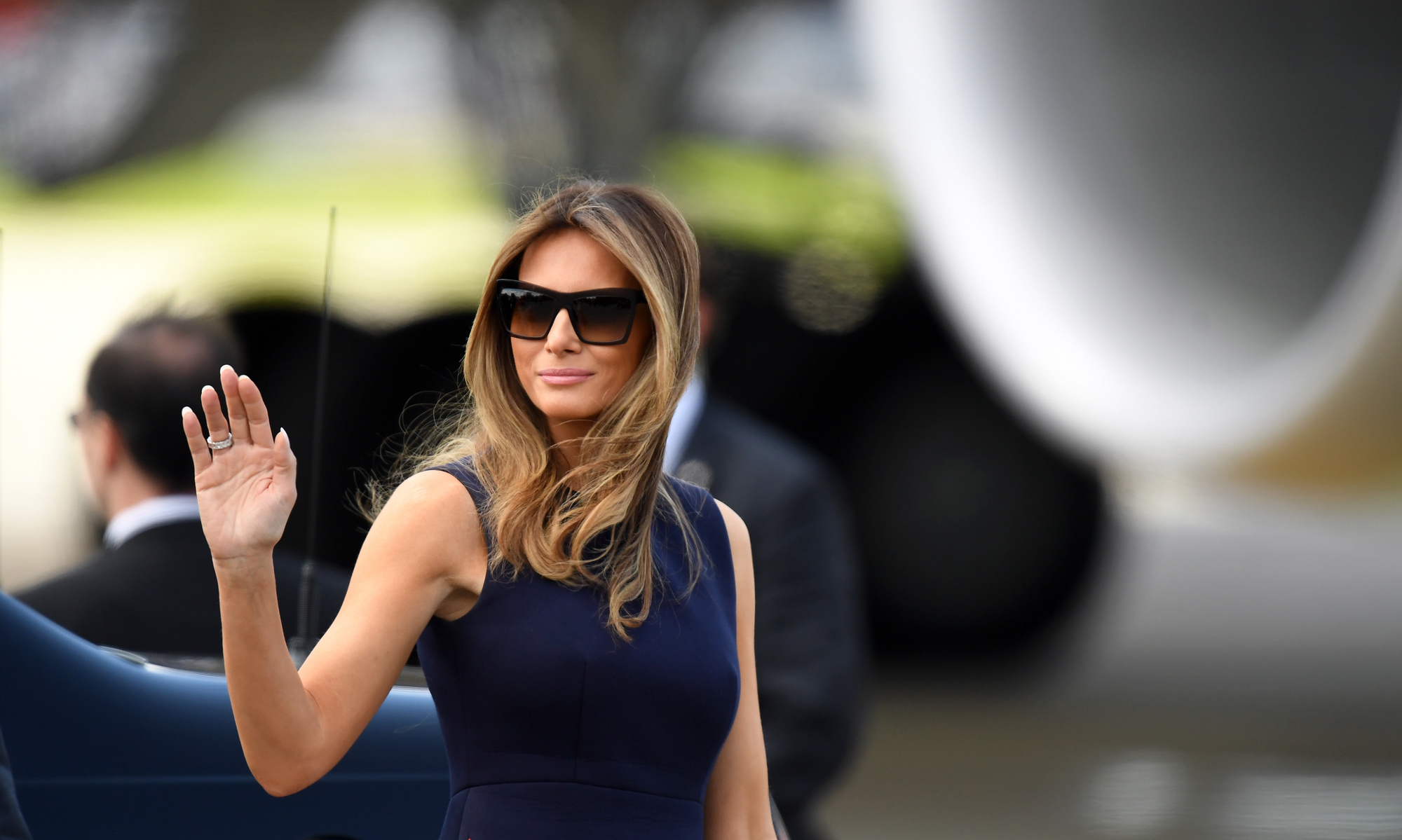
First Lady Melania Trump at the Fostering the Future Together summit presented the concept of an AI‑teacher called Platon — a humanoid robot from Figure AI that, in theory, would provide personalized learning and adapt to the needs of each student. The event is covered by TechCrunch; the robot itself appeared on stage next to Mrs. Trump.
'Honored to be invited to the White House by the First Lady Melania Trump pic.twitter.com/E8J74hOciq'
— Figure (@Figure_robot)
Why it matters
This is not just a showpiece: a White House presentation signals two trends. First, major players are moving AI from experiments to practical school solutions — from differentiated lessons to access for children in remote or crisis-affected regions. Second, it is an example of soft power: tech initiatives shape standards and expectations around ethics, certification, and government support.
Investing in educational robots is changing both the market and policy: governments and donors are beginning to view robotics as education infrastructure. That creates opportunities for partnerships, but also raises questions of security, privacy, and standards.
Ukrainian context
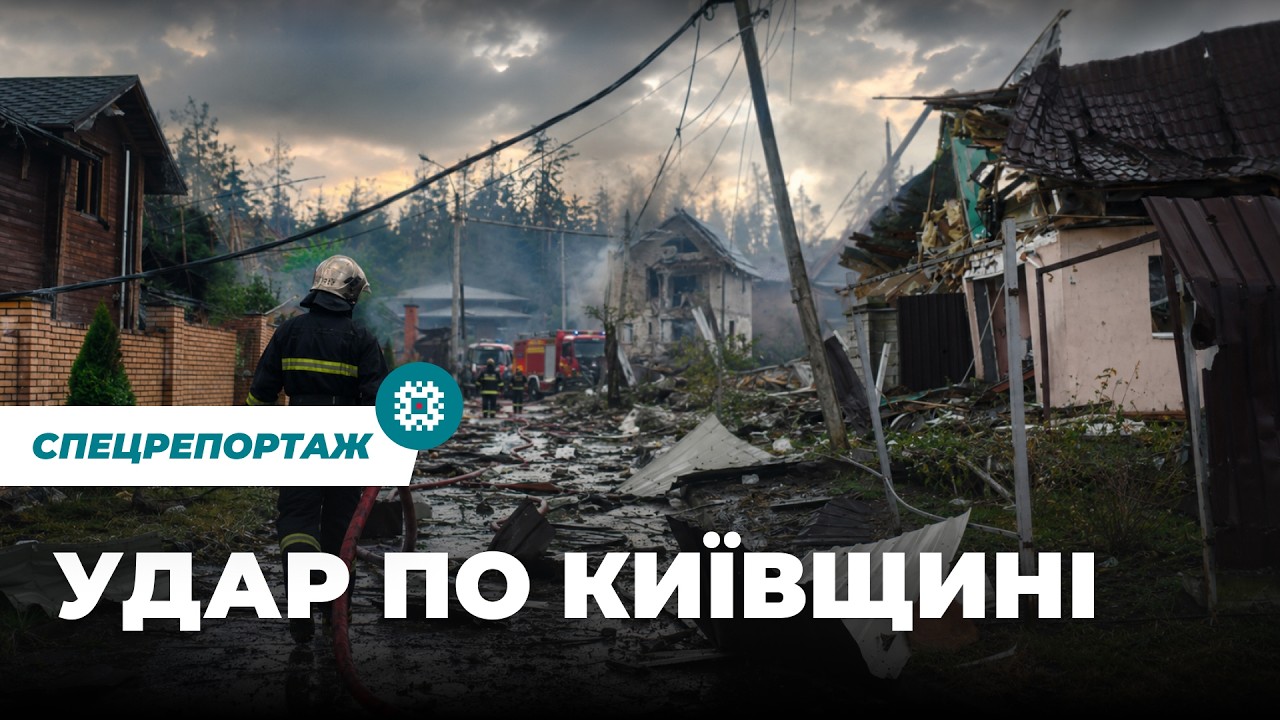
While the U.S. is showcasing civilian applications of humanoids, in Ukraine robotics is undergoing practical testing under wartime conditions. There have been recent reports of deliveries of humanoid robots Phantom MK‑1 for trials, as well as the NРК Droid TW‑7.62, which has been credited with capturing three Russian servicemen. These are different sides of the same coin: here the technology is tested in extreme conditions where practical solutions quickly emerge and may later be adapted for peacetime uses.
For Ukraine this is an opportunity: combat experience stimulates the engineering sector and can shorten the cycle from prototype to a useful civilian product — from rehabilitation to remote education in exclusion zones.
Brief conclusion
The presentation of “Platon” is a sign of accelerating integration of robots into everyday life. More important than the stage photo is how governments and markets will respond: regulation, investment, and standards will determine whether these technologies help children or create new risks. For Ukraine the key question is turning battlefield innovations into civilian capital capable of strengthening education and security. Now the move is on partners and investors: will the announcements turn into contracts and standards?