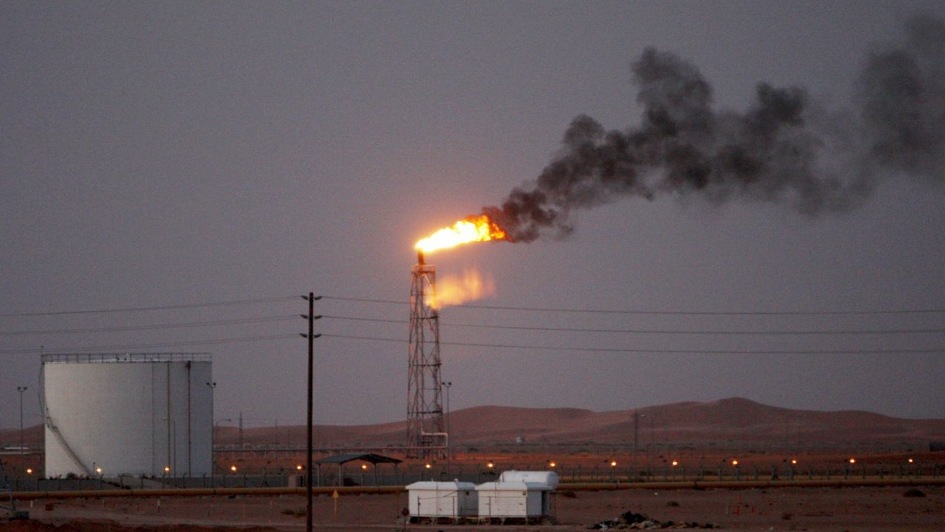
What Aramco said and why it matters
The CEO of the Saudi company Aramco, Amin Nasser, told reporters he warned of serious risks if the Strait of Hormuz is closed further. Reuters reports that he called the potential consequences "catastrophic" for global oil markets — and warned that the longer disruptions continue, the harder the hit will be to the world economy.
"For global oil markets this will have catastrophic consequences, and the longer these disruptions continue... the more acute the implications for the global economy will be. Although we have faced disruptions in the past, the current crisis is certainly the largest the region's oil and gas industry has faced."
— Amin Nasser, CEO of Aramco (Reuters)
Chain of effects: from tankers to the supermarket
Nasser points not only to oil prices. He emphasizes a domino effect: the halt of tanker traffic and disruptions in the insurance market raise the cost of maritime transport, which affects fuel logistics, aviation fuel, fertilizers, supplies of components for the automotive industry and raw materials for the agricultural sector. This is a typical chain mechanism where an energy shock spreads across the entire economy.
Aramco also reports that global oil stocks are at a five-year low. The company is currently not exporting oil from the Persian Gulf, although, according to Nasser, it is meeting most of its customers' needs. Recent strikes and interceptions have added further strain: after a drone attack on the Ras Tanura refinery, the plant is in the process of being restarted.
Context of the escalation
The escalation in the Middle East intensified after US and Israeli strikes on targets in Iran on 28 February 2026 — according to reports, this followed the collapse of talks over Iran's nuclear program. Iran, in response, struck infrastructure not only of the US and Israel but also of neighboring countries. On 7 March, Saudi Arabia said it had intercepted drones headed for the Shaybah field.
What this means for Ukraine
Fuel prices in Ukraine began to rise already in early March, Ukrainian media reported (LIGA.net). For a country that depends on stable logistics routes and access to fuel for its army and economy, further deterioration in global oil markets means increased pressure on the state budget and businesses.
In short: the risk of fuel shortages or further price increases could boost inflation, complicate logistics for the Armed Forces of Ukraine and affect costs in the agricultural and transport sectors. This is a test for strategic reserves and for partners' ability to quickly turn words into contracts and deliveries.
Summary and outlook
Aramco's statements are not hysteria but a signal from one of the market's key players: if a blockade of the Strait of Hormuz is prolonged, the consequences will be widespread and long-lasting. The main priorities for Ukraine are to monitor the situation, build up reserves, diversify supply chains and press international partners for concrete steps in energy deliveries. This is a problem of global energy security that is already showing up in citizens' purchasing power and in state spending on defense and logistics.
Reuters and Aramco are sending a signal: declarations by partners now need to be converted into concrete contracts and deliveries, otherwise the economic blow from escalation in the Middle East could be felt by much broader segments of the global population — including Ukraine.







