What happened
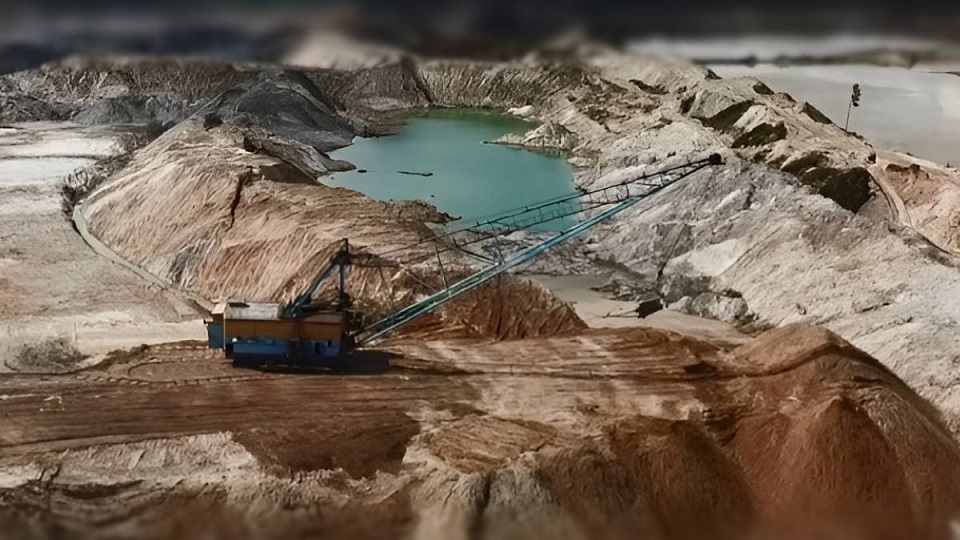
The Cabinet of Ministers annulled special permits for three deposits that belonged to sanctioned businessman Dmytro Firtash. These are licenses for the development of the Malyshevskoye deposit of zircon-rutile-ilmenite-bearing sands (Motronivskyi GZK) in Dnipropetrovsk region and two titanium ore (ilmenite) deposits in Zhytomyr region — Valky-Hatskivske and Mezhyrichne.
Why it matters
The government has added these sites to the list of subsoil resources available through transparent electronic auctions. This paves the way for extraction rights to be obtained by investors not linked to sanctionable schemes — under competitive and open conditions. For the state, the issue covers security, jobs, and funding for the reconstruction investment fund.
"This opens up the possibility of attracting reputable investors and developing extraction on competitive and open terms. The next step — we expect initiatives from business to obtain the right to use these subsoil resources through the mechanism of open auctions"
— Yuliia Svyrydenko, Prime Minister of Ukraine
Context and consequences
At the same time, the State Service of Geology and Subsoil is conducting a review of so-called "dormant" permits to use strategic mineral resources — 38 licenses are included in the inspection. This is part of a systemic effort to clean up the sector and increase its attractiveness for long-term investors.
The American-Ukrainian Reconstruction Investment Fund (AUIF), created under the subsoil agreement, has already received 59 investment applications, of which 22 projects passed initial evaluation. This demonstrates existing investor demand for projects in the sector.
"Strategic mineral resources are a resource for the country's economic development and security. They must work for Ukraine: creating jobs, attracting investment and developing through fair competition and transparent rules for business"
— Yuliia Svyrydenko, Prime Minister of Ukraine
What’s next
The next steps are holding open auctions and ensuring their transparency. Risks remain: possible legal challenges, attempts to regain control through indirect links, and the need to prepare infrastructure for safe extraction. However, if the auctions are conducted fairly, the state will gain revenues, investments and jobs — and the reconstruction fund will receive additional resources.
Now the ball is in the court of the State Geology Service, investors and regulatory bodies: will these decisions turn into concrete, transparent tenders, and will the subsoil start working for the public good?







