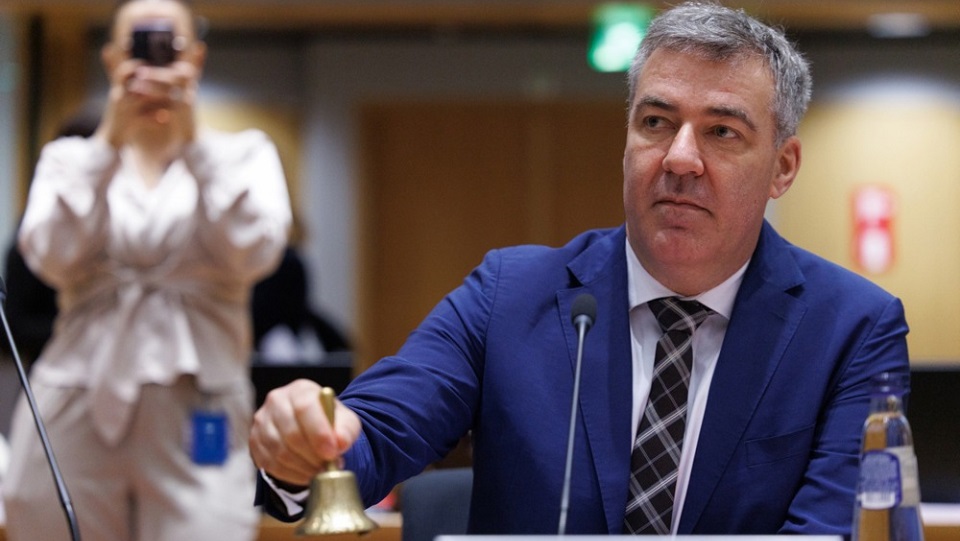
Denmark's position: citizens as a temporary energy reserve
The Danish Minister for Climate, Energy and Utilities Lars Aagaard urged citizens to cut energy consumption and refrain from unnecessary car trips. According to CNBC, the reason is a sharp rise in oil prices after the escalation in the Middle East, which is forcing the government to rely on its own reserves and to regulate domestic demand.
"Danes must, please, please, please, if there is any energy use that can be done without, if a car trip is not necessary, then don't drive it"
— Lars Aagaard, Denmark's Minister for Climate, Energy and Utilities
International context: reserves and regulatory measures
This is part of a broader response: the International Energy Agency (IEA) agreed to release up to 400 million barrels from the reserves of 32 countries, and the United States announced a release of about 172 million barrels from its Strategic Petroleum Reserve. Concurrent export bans and temporary restrictions in various countries are intended to cover short-term supply gaps due to the threat in the Strait of Hormuz.
Practical effect for people and the economy
In the short term — a high probability of local fuel price increases and pressure on inflation. Strategically, such measures show two things: first, the government can reduce the strain on reserves by changing public behavior; second, saving fuel eases the blow to household budgets and buys time for diplomatic and logistical solutions.
What Ukraine should know
For our country the signal is twofold. On one hand, global volatility in oil prices affects logistics, energy supplies and the prices of imported goods. On the other, Denmark's example is a reminder of the effectiveness of combining reserves, diversification of supplies and behavioral measures (energy saving, limiting unnecessary trips), which reduce vulnerability to external shocks.
Short forecast
Expect continued price volatility and temporary government measures. The key question is whether statements will be turned into concrete support for households and businesses. Moreover, every fuel‑saving trip and every liter of fuel saved help smooth the blow to the economy — both in Denmark and in places where the impact of the crisis is felt more strongly.







