What happened
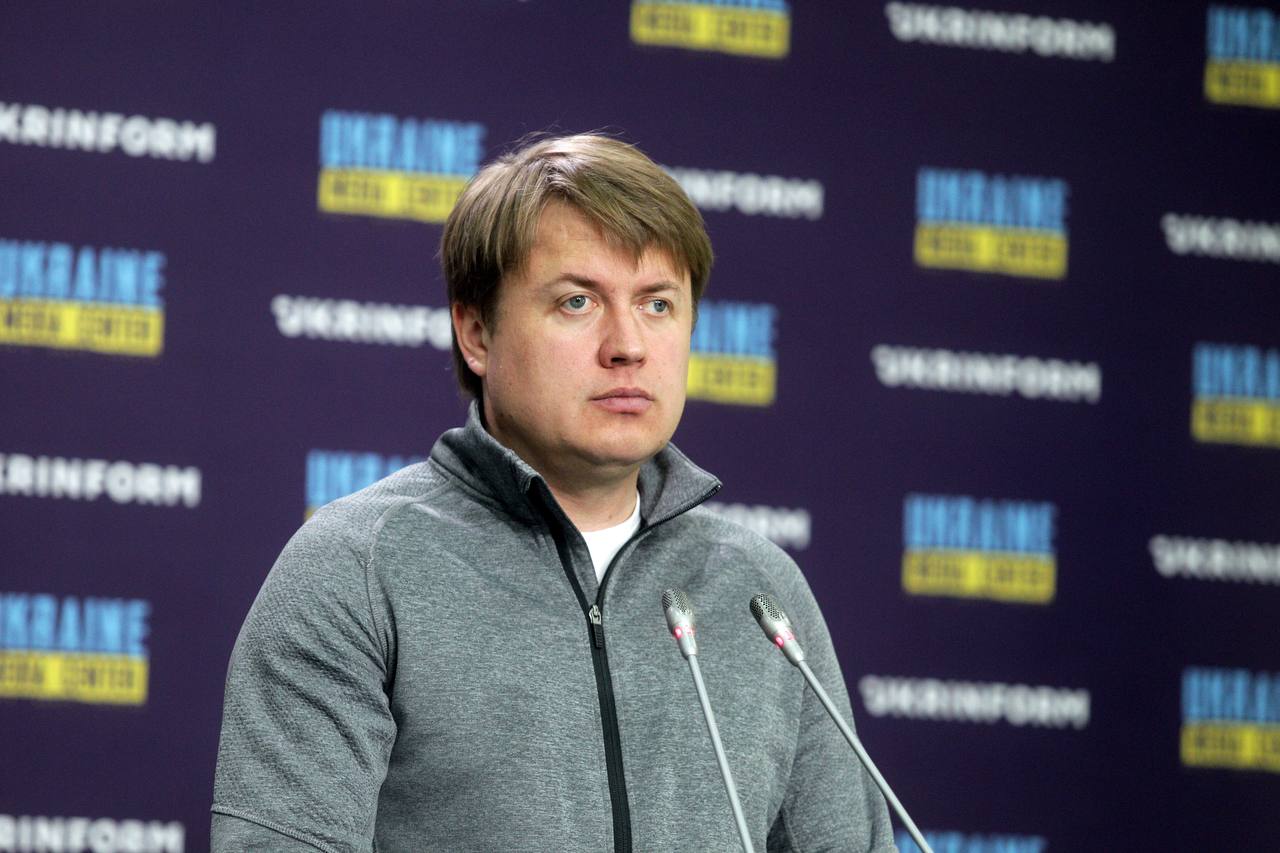
Andriy Herus, head of the parliamentary committee on energy, in an appeal to Prime Minister Yuliia Svyrydenko — the text of which LIGA.net has — asserts that NAEC «Energoatom» lost about UAH 2 billion due to “egregious incompetence or corrupt interest.” The reason — the sale of a significant volume of electricity before the price caps were raised.
Timeline according to the appeal and public reports:
- Ideas about raising the price caps were discussed at closed meetings from January 8 — according to the deputy.
- On January 12–15 the National Commission for State Regulation of Energy and Utilities (NKREKP) publicly stated that prices would remain unchanged.
- On January 14 Energoatom held an auction and sold 2,100 MW of electricity at the “old,” lower prices (phrase from the deputy's appeal).
- On January 16 NKREKP raised the price caps by 82.5% — to 15,000 UAH per MWh.
By Herus’s calculations, the difference between the auction price and the new price cap led to under‑receipt of about UAH 2 billion, which, he says, effectively became profit for private traders.
“Extracting UAH 2 billion from a state company during such a difficult period can only be seen as an extreme form of looting with particular cynicism.”
— Andriy Herus, head of the Verkhovna Rada Committee on Energy and Housing and Communal Services
Why this matters
This is not just market arithmetic. UAH 2 billion is real money for the budget that could have gone to infrastructure repairs, social payments, or other critical needs during the war. In addition, the situation undermines trust in state companies and the regulator — a factor that restrains investment confidence in the sector.
The signals Herus points to make economic sense: the top 15 buyers in the auctions increased purchase volumes by an average of 101%, while the other 45 companies reduced theirs by an average of 57%. Such asymmetry in buyer behavior correlates with the likelihood of informational advantage for several large players.
Context and previous investigations
At the end of last year NABU carried out a series of searches in the case known as Operation “Midas,” and on November 11 suspicions were announced against seven individuals. The government has already dissolved Energoatom’s supervisory board and formed a new one, which is to appoint the company’s head. This creates an additional political and managerial backdrop for the current accusation.
What is being proposed and what risks there are
Herus calls, among other things, to annul the contracts of January 14, hold a repeat auction at the new prices, and initiate internal investigations into the actions of NKREKP and Energoatom. These are radical steps, but they have an obvious aim — to return state funds and restore fairness to the market.
However, one must understand the legal and market risks: canceling concluded contracts could lead to lawsuits, complicate market functioning, and reduce investor confidence. Therefore, the dialogue between law enforcement, the regulator, and management must be transparent and swift.
Conclusion
The issue is not only about the sum — it is about decision‑making mechanisms and control over state enterprises. If the accusations are confirmed, this points to a systemic problem of asset management that requires not emotional statements but concrete legal and organizational measures. Now it is up to law enforcement, the regulator, and Energoatom’s new management — will they be able to quickly and transparently provide answers to those who raised the questions.







