Briefly
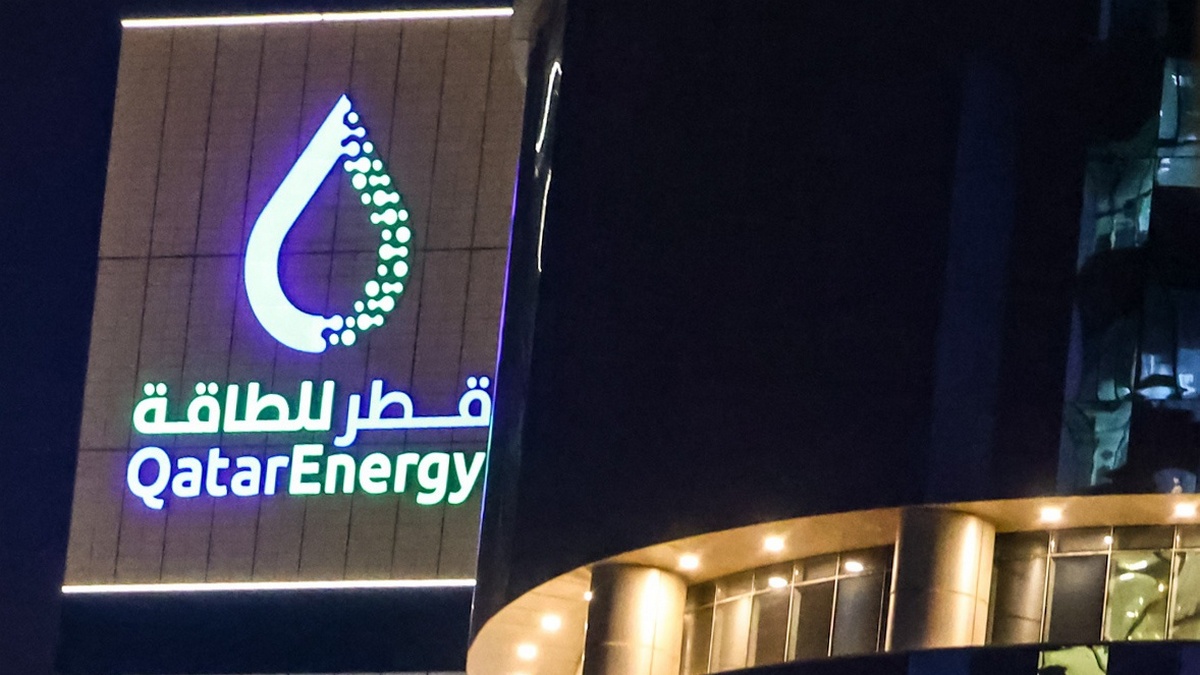
Reuters quotes QatarEnergy CEO Saad al‑Kaabi: Iranian strikes on the Ras Laffan industrial complex put out of service about 17% of Qatar’s export LNG capacity. Two of 14 processing trains and one of two GTL plants were damaged; recovery, the company estimates, will take 3–5 years. This could lead to declarations of force majeure on long‑term contracts with Italy, Belgium, South Korea and China.
"Not even in my worst nightmare could I have imagined that Qatar — like the whole region — would suffer such an attack..."
— Saad al‑Kaabi, CEO of QatarEnergy
What exactly happened
According to Reuters and analysis by the Financial Times, the strikes hit the key Ras Laffan complex — one of the world’s largest liquefied natural gas centers. Two processing trains (out of 14) and one of two synthetic fuel plants were damaged. That is equivalent to the loss of about 12.8 million tonnes of LNG per year until repairs are completed.
"These are long‑term contracts. We have already done that... Now it will be for the entire period that the recovery lasts."
— Saad al‑Kaabi, CEO of QatarEnergy
Market impact
The sudden supply cut is placing immediate upward pressure on prices: European market quotations rose by roughly 30% after the strikes, and have doubled since the start of the regional escalation. This changes the short‑ and medium‑term balance: some demand will seek replacements on the spot market, while other buyers will accelerate talks on long‑term contracts with alternative suppliers.
Why it matters for Ukraine
Practically: rising global gas prices raise energy inflation in Europe, which will put pressure on budgets and the electoral sentiment of Ukraine’s partners. At the same time, higher prices mean greater cash flows to energy‑exporting states — this redistributes global risks and accelerates the search for energy diversification. As Ukrainian analysts wrote (LIGA.net), the escalation in the Middle East has direct and indirect effects for Ukraine: from economic pressure to new requests for arms and logistics.
What partners can do
Analysts agree: two directions must be combined quickly — stabilizing supplies and reducing impacts on consumers. That means accelerating diversification of supplies to the EU, increasing use of regasification capacity, and speeding up financial aid to those hit hardest by energy bills.
Conclusion
The strike on Ras Laffan is not just about Qatar: it is a test of the resilience of global energy supply chains. For Ukraine, the effects will be indirect but real: from pressure on inflation to changes in partner support policies. Decisions that seem technical today (force majeure, repairs, rebalancing supplies) will help determine tomorrow who weathers the economic and political shocks and how.







