What happened
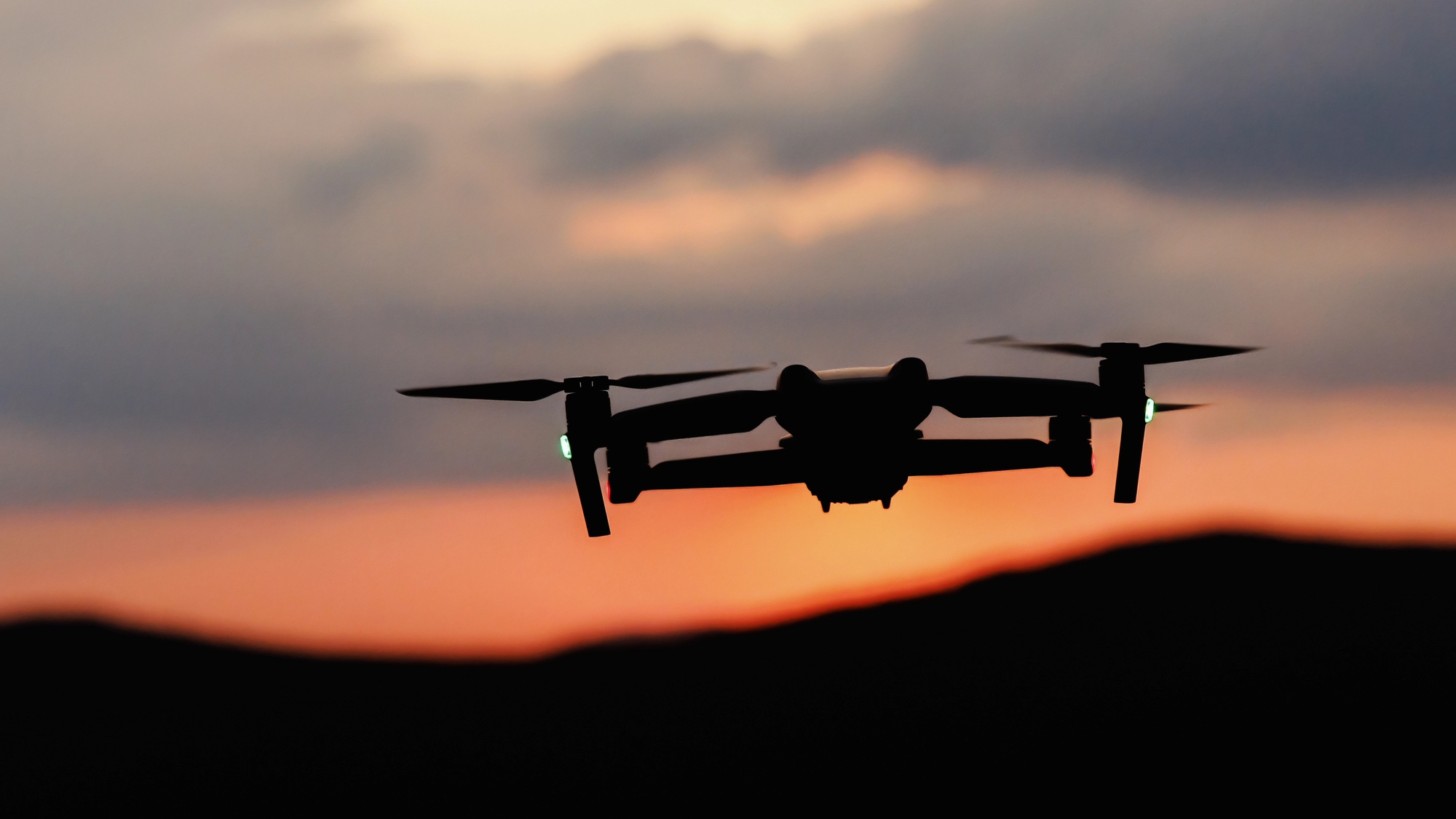
The Defense Procurement Agency DOT in January–February concluded a record number of contracts for multirotor drones for the Armed Forces of Ukraine. According to the Defense Ministry's press service, deliveries in February increased by 17% compared to January, and the military will receive at least twice as many drones as in the same period last year.
"As a result, the military will receive at least twice as many such drones as in the same period last year"
— Press service of the Ministry of Defense of Ukraine
Tactical effect: what these drones provide
These include Mavic, Autel, Matrice models and other multirotor drones that are used for reconnaissance and adjusting fire at ranges of up to 5 km, for striking infantry with payload drops, mining approaches, and increasing the accuracy of FPV drones. Increasing the number of such systems boosts units' operational resilience — more frequent sorties, faster equipment replacement, and a greater number of simultaneous tasks at the front.
"Increasing stocks of multirotor drones is not just numbers in a report. It's the unit's reaction speed, the ability to support fire, and reduced maintenance cycles"
— defense industry expert (speaking on condition of anonymity)
A new approach to procurement
The Ministry also announced a change in the centralized procurement procedure: from now on they will buy only those drones that have already proven their effectiveness in field conditions. This means less risk of defective batches and faster scaling of proven solutions.
At the same time, the Defense Ministry is testing alternatives to Mavic using artificial intelligence — systems that can increase autonomy, ease operators' workloads, and speed up processing of intelligence data. According to the press service, these solutions will be scaled up at the front in the near future.
What this means for security and the economy
For the front, it's an increase in operational capability and flexibility. For the economy and the defense industry, it's a signal: demand for proven platforms and solutions with AI elements is rising, which opens an opportunity for domestic suppliers and localization of production.
Conclusion
Increasing volumes and changing the procurement approach are a logical response to the needs of the modern battlefield: quantity must be combined with quality and timeliness. The task now is to turn contracts and deliveries into real advantages in the areas where they decide the outcomes of battles. The question for partners and the market: will they be able to maintain the pace of deliveries and scale AI-integrated solutions without losing reliability?







