What happened
Oat exports from Ukraine in January–February 2026 fell by 98% (50 times) compared with the same period in 2025, reports the information-analytical agency «АПК-Інформ». In January, 506 tonnes were shipped to foreign markets; in February — 215 tonnes. In December 2025, Turkey and India accounted for 90.3% and 4% of shipments respectively.
Why it happened
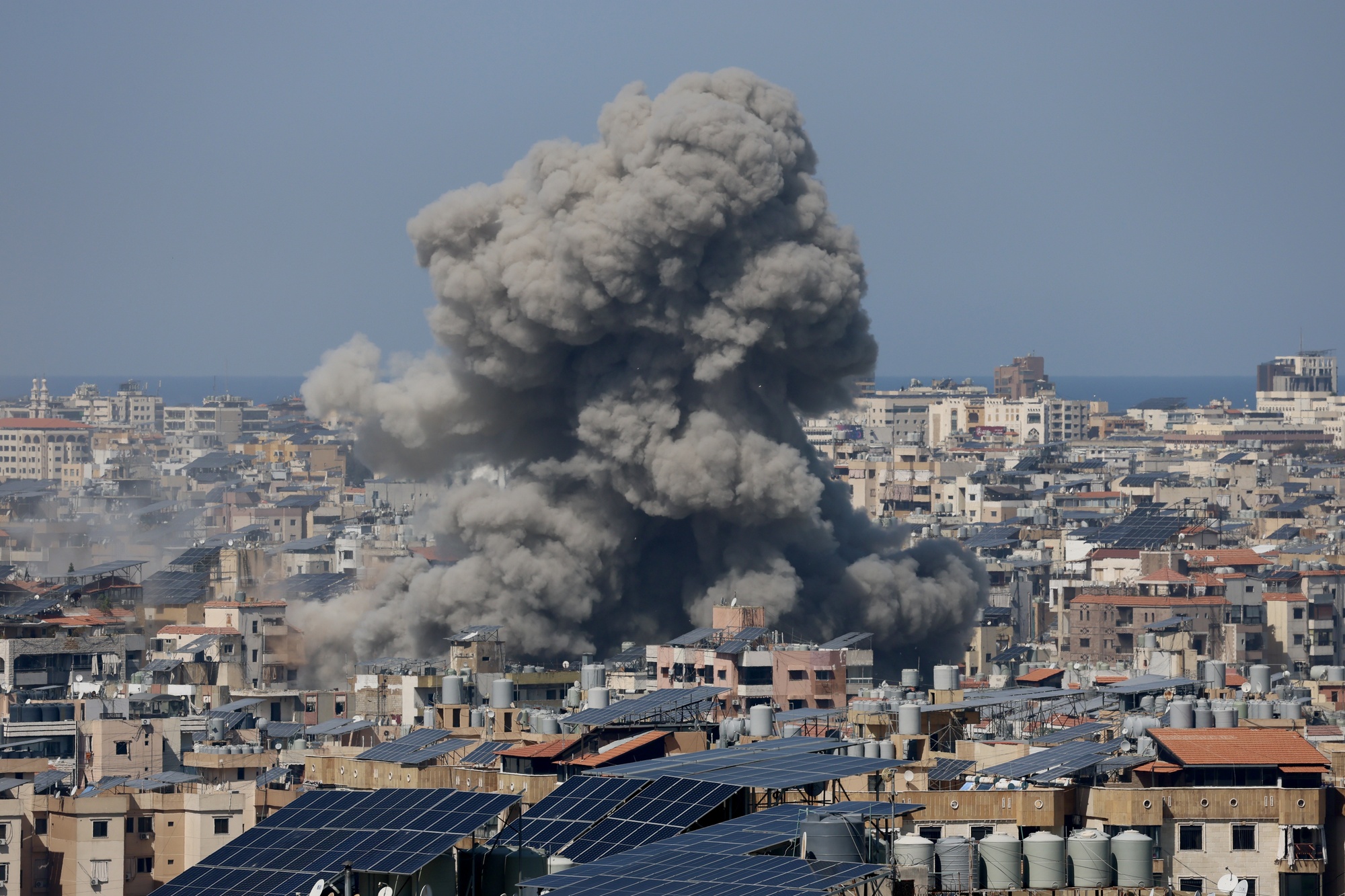
The main trigger is the suspension of purchases by key importers: Turkey and India. Added to this were logistical and supply risks: the war in the Middle East and Iran’s blocking of the Strait of Hormuz complicated deliveries of mineral fertilizers. This increases buyers’ uncertainty about future harvests and forces them to postpone purchases.
“Despite the minimal export volumes, the domestic market maintains stable price indicators at the ports, allowing producers to hold grain while waiting for demand to recover.”
— «АПК-Інформ», information-analytical agency
Consequences for the market and producers
Despite the drop in exports, domestic price indicators at the ports are recorded in the range of 8,900–10,500 UAH/t (СРТ-порт). This allows many producers to hold stocks instead of selling at reduced prices. However, for small farms that depend on cash inflows, such a pause is a significant risk.
Market analysts note that if disruptions to fertilizer supplies lead to lower yields, this could turn into a supply shock for the global food market and increase price volatility.
What to do next
Short scenario: the recovery of exports will depend on two factors — whether Turkey and India return to buying and whether fertilizer supplies normalize. In an optimistic scenario, demand will gradually recover over several months. The pessimistic scenario foresees a prolonged correction of demand and pressure on farmers’ domestic liquidity.
For the state and the agricultural sector the key measures are support for small producers, diversification of sales markets and diplomatic work with trading partners to restore trust and logistics.
Conclusion
The 98% drop in oat exports is not just a statistic but an indicator of the vulnerability of supply chains and dependence on a few large buyers. The Ukrainian agricultural sector is currently holding its position, but the restoration of sales is only guaranteed by the return of external demand and stabilization of fertilizer supplies. Now it’s up to the partners — will they turn declarations into concrete purchases?