What happened
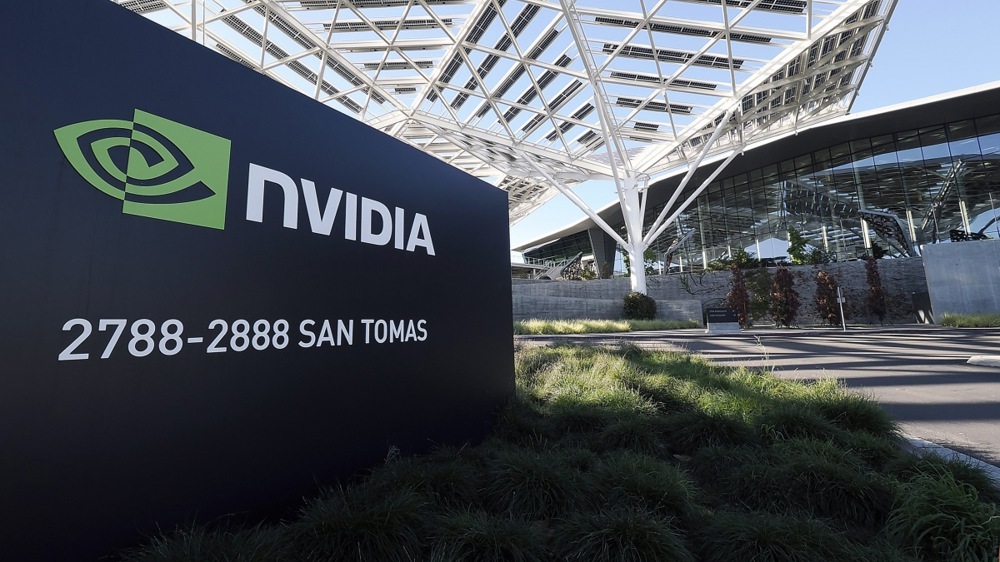
Reuters reports that chipmaker Nvidia is close to completing a $30 billion investment in OpenAI. According to a source, that amount is part of a round in which OpenAI is seeking more than $100 billion, which would raise the company's valuation to roughly $830 billion.
SoftBank and Amazon are also likely to participate in this round. OpenAI plans to use a large portion of the new capital to purchase Nvidia chips to deploy computing capacity. Earlier, in September 2025, Nvidia announced an intention to invest up to $100 billion in OpenAI, but talks at that time dragged on.
"This investment is part of a fundraising round in which OpenAI is seeking more than $100 billion."
— a Reuters source
Why it matters
This deal is an example of how finance and hardware are concentrating around a few key players. If OpenAI receives a large influx of capital and buys chips from Nvidia, it will strengthen the manufacturer's position as a central supplier of computing resources for modern AI models.
Market implications: increased demand for high-performance chips could accelerate the technological advantage of companies that control these supply chains. At the same time, concentration also means greater vulnerability to export policy, production disruptions, or geopolitical decisions.
What it means for Ukraine
First, access to computing power affects the development of Ukrainian AI startups, as well as the ability to apply models for defense, intelligence, and infrastructure restoration. Second, the concentration of supplies in a few private groups amplifies the role of U.S. foreign policy and partners in ensuring access to technology.
It is important for Ukraine to diversify sources: through international cooperation (the EU, Taiwan, the U.S.) and by developing its own cloud and data center capacity, to reduce the risks of dependence on a single supplier or a single political decision.
Conclusion
This is not just a transaction between major Silicon Valley players. It is a step that shapes who and how will gain access to the next generation of computing power. For Ukraine the question is simple: how to turn global market changes into a national advantage — in security, the economy, and technological autonomy.
Now it's up to partners: declarations must turn into concrete agreements on supply, joint infrastructure projects, and guarantees of access to critical computing resources.







