What happened
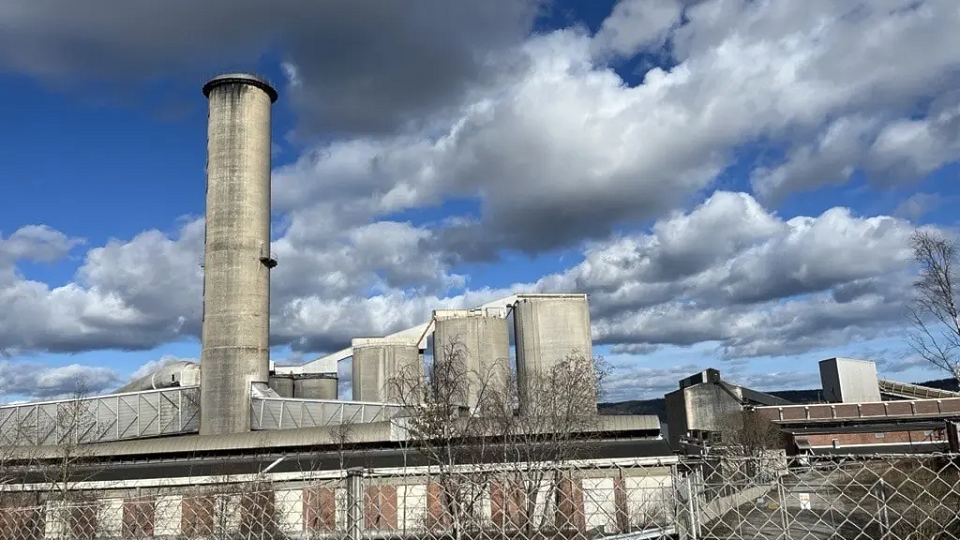
On the morning of 26 March, a unit of Sweden’s national special forces conducted searches at the Kubal aluminium plant in Sundsvall and temporarily detained two top managers. According to local media (Dagens Arbete, Sveriges Radio), they were released the next day, but suspicions remain and the investigation continues.
"The company is cooperating with the investigation and providing all requested information."
— Jonas Eriksson, CEO of Kubal
Why it matters
The Kubal plant is the only producer of primary aluminium in Sweden and is controlled by entities linked to Oleg Deripaska’s company Rusal. The probe concerns alleged breaches of EU sanctions dating from 2023. If the suspicions are confirmed, it would mean that links in the European industrial network may have been used to circumvent restrictions, directly affecting control over financial flows that could potentially support aggression against Ukraine.
Legal and sanctions context
State prosecutor Sara Nilsson said the suspicions have been classified as "well‑founded" — an initial level under Swedish law — but the investigation is intensive. An important nuance: since June 2025 Sweden has toughened penalties for serious breaches of sanctions — from 2 to 6 years imprisonment. The investigation covers the period from 2023, so both the old and the new legislation will be taken into account.
"These are suspicions of breaches of the EU sanctions regime that could harm the security of Sweden and Europe."
— Sara Nilsson, State Prosecutor of Sweden
Politics and public reaction
Swedish politicians have long raised questions about Kubal: some are demanding nationalisation of the company, arguing that payments and operations may have generated profit for structures linked to Russia. In this context critics point to a figure of roughly 800 million kronor that Rusal is alleged to have received through the plant’s activities.
"Until the government takes action, the plant continues to transfer money to Russia — this is unacceptable."
— Martin Odal, representative of the Centre Party (former member of the Riksdag)
Wider economic background
Since 2025 the EU has gradually restricted imports of primary aluminium from Russia; the US, the UK and Canada have already imposed strict bans. Rusal’s latest financial reports also show difficulties: in 2025 the company recorded a loss of $455 million versus a profit of $803 million the previous year, and auditors warn of "material uncertainty" about its ability to continue as a going concern. All of this increases pressure on supply chains and aims to reduce revenues available to sanctioned individuals.
What it means for Ukraine
If the investigation confirms sanctions‑busting, it could significantly complicate the financing mechanisms that partly fed Russian structures. For Ukraine, this would be not only a symbolic victory in enforcing the sanctions regime but also a practical step toward reducing the cash flows that sustain the war.
What next?
If confirmed, the investigation could become a precedent: European states will scrutinise private assets linked to sanctioned individuals more closely. The question is whether there will be the political will to go further — up to nationalisation or compulsory acquisition of assets — and how quickly the EU can enshrine mechanisms to prevent such cases from recurring.
In the short term it will be important to follow prosecutorial decisions and subsequent corporate reports. For Ukraine, this is another test of the effectiveness of international coordination in countering financial support for the aggressor.
Sources: Dagens Arbete, Sveriges Radio, official statements from the Swedish prosecution; Rusal’s public financial reports; reviews of sanctions policy by the EU, US, UK and Canada.







