Briefly
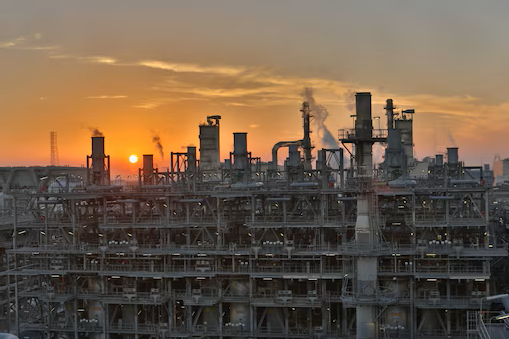
Shell says repairs to the damaged processing line at the Pearl GTL plant in Ras Laffan will take roughly a year. The incident followed an Iranian strike on the industrial area and affected only one of the plant’s two processing trains, but the impact of the damage extends beyond the single site.
What happened
The Iranian strike on the Ras Laffan industrial area caused a fire that was extinguished by security services. According to Shell, repairing one of Pearl GTL’s two main units will take about a year for full restoration.
"Restoration of the damaged equipment at the large Pearl GTL gas-chemical plant in Qatar will take approximately a year."
— Shell (statement)
Pearl GTL can process up to 1.6 billion cubic feet of associated gas per day, producing about 140,000 barrels of product. The plant is wholly owned by Shell and consists of two processing trains — only one was hit.
Impact on global supplies
According to QatarEnergy, the Iranian strikes put roughly 17% of the country’s export gas capacity out of service; this resulted from damage to two of 14 liquefaction trains and one of two GTL plants. If repairs are prolonged, this will remove about 12.8 million tonnes of LNG per year from the market for 3–5 years.
"Iranian strikes on the Ras Laffan industrial park put 17% of Qatar’s export gas capacity out of service."
— Saad al-Kaabi, CEO of QatarEnergy
The result could increase pressure on the LNG market: reduced supplies push prices up, force buyers to seek alternatives, and prompt contract reallocations. QatarEnergy has already warned of the possibility of declaring force majeure on long-term contracts for up to five years for a number of importers.
What it means for Ukraine
First and foremost — a fact: the global energy market is interconnected. Qatar supplies about 20% of global LNG demand, and disruptions there have a direct effect on global prices and gas availability. For Ukraine, this has several practical implications:
- the risk of higher energy prices on world markets and, consequently, pressure on energy budgets and inflation;
- a strengthened role for European coordination of supplies and the need for diplomatic pressure on partners to secure stable alternatives;
- structural opportunities for our defense and energy industries: escalation in the region could open markets for services, technologies and equipment repair, and will require new logistics and security solutions.
Analysts at LIGA.net note that the war in the Middle East could hit Ukraine’s interests harder than it seems, but at the same time opens potential opportunities to export defense technologies — if Ukrainian manufacturers and diplomats act quickly.
Conclusion
Damage to Pearl GTL is not just a local equipment failure. It is a test of the flexibility of global supply chains and a signal to Ukraine: step up energy diplomacy, diversify risks, and prepare industry for opportunities that arise in crisis. Now it is up to partners — declarations must turn into concrete steps to ensure supplies and cooperation in restoring infrastructure.







