The attack and its meaning
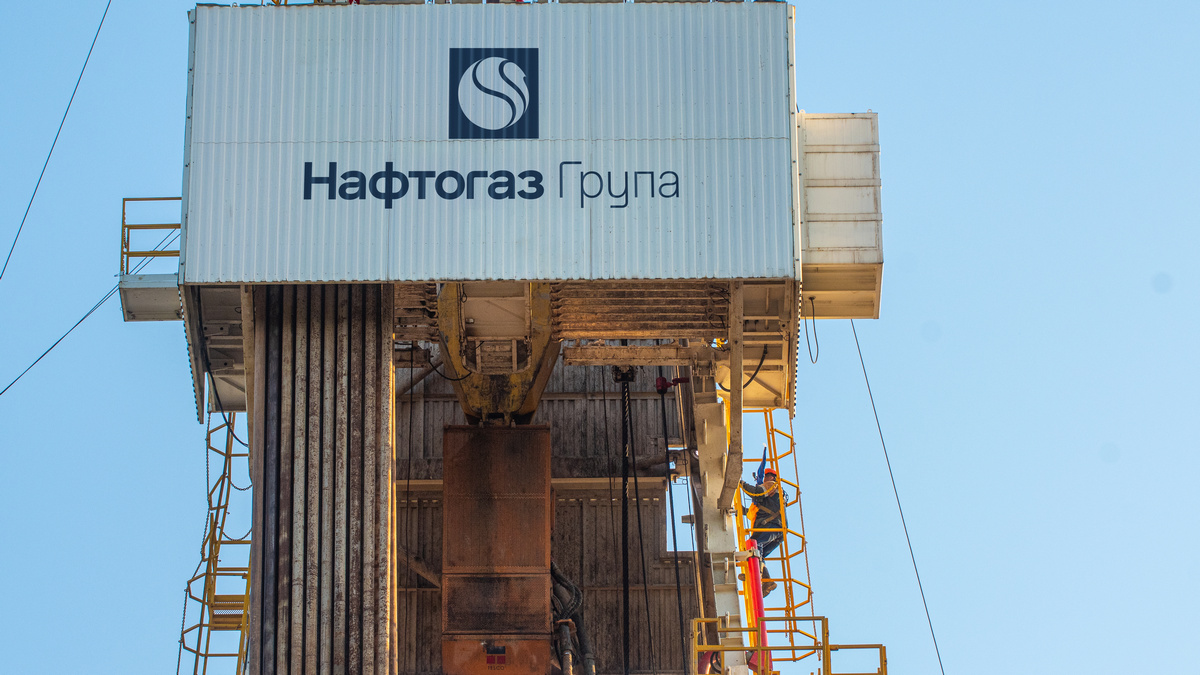
Naftogaz reported a series of strikes by Russian drones on oil infrastructure in southern Ukraine. According to the company, over two days damage and destruction were recorded at one of the pumping stations; people were rescued.
"For two days in a row the Russians have been attacking with UAVs [...] Damage and destruction were recorded at one of the pumping stations. Fortunately, people are alive"
— Serhiy Koretskyi, chairman of the board of Naftogaz
The company's statements emphasize: the aim of these attacks is to make alternative supplies of non‑Russian oil to Europe impossible. On January 27 the drones put out of service infrastructure at the Brody oil pumping station, temporarily halting the transport of Russian oil through the "Druzhba" pipeline.
Odesa–Brody: history and strategic potential
The Odesa–Brody pipeline was built in 1996–2001 to transport Caspian and Kazakh oil while bypassing the Turkish straits. The route from the "Pivdennyi" port was intended to supply refineries in Eastern and Central Europe and for further export via the port of Gdańsk.
After 2004 the pipeline partly stood idle or operated in reverse, and its use was significantly reduced in the 2010s. At the same time, turning this corridor into a "route without Russia" became a logical step in the EU's energy diversification: extending the line to Adamova Zastava in Poland has been included among the Union's priorities.
Consequences and response options
The attacks showed that energy infrastructure is a direct target of the opponent's geo‑operations. Without prompt repairs, strengthened protection and funding, even technically viable projects remain vulnerable.
Energy security experts emphasize: for Odesa–Brody to become a real alternative route, not only political declarations are needed but concrete investments in modernization, security and logistics insurance.
For citizens this means: rapid diversification reduces the risks of supply censorship and pressure on fuel prices; delay — leaves markets under the influence of supplier monopolies.
Now it's up to partners: will European states and investors turn statements of support into practical steps to repair and protect critical infrastructure that could provide Europe with an alternative to Russian oil?







