Brief
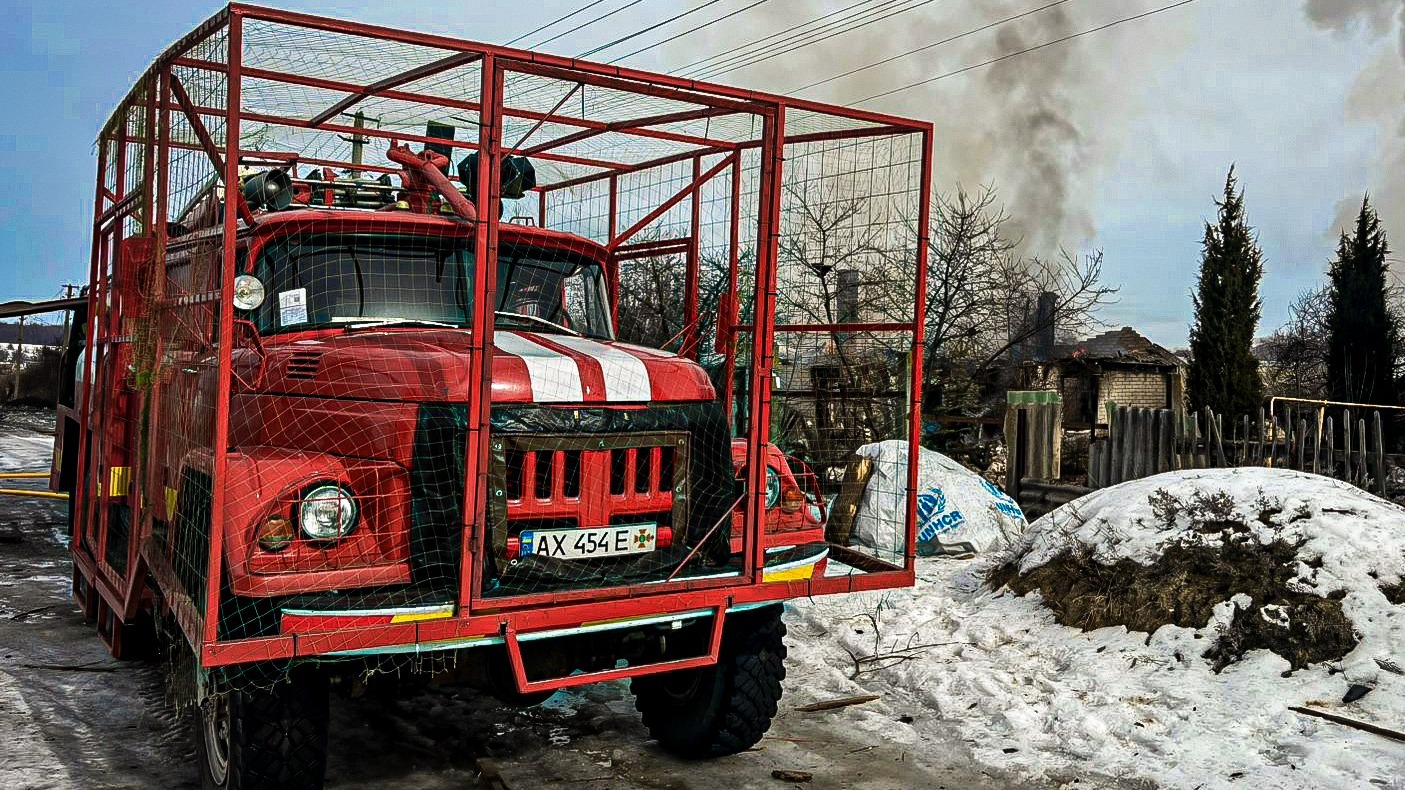
In the early hours of 28 February, a Russian strike caused depressurization at a gas production facility of the Naftogaz of Ukraine group in Kharkiv region. Equipment was damaged; emergency crews and units of the State Emergency Service of Ukraine are working on site.
"During the night, Russia struck our gas production facility in Kharkiv region. There is significant equipment damage and depressurization. Colleagues on site contained the situation as quickly and professionally as possible. Units of the State Emergency Service of Ukraine and our emergency crews are now on site."
— Serhiy Koretskyi, chairman of the board of Naftogaz of Ukraine
Details
The NJSC did not disclose the exact circumstances or the location of the strike. According to official reports, the damage is severe from a technical standpoint, but the situation has been contained. Earlier, on 24–25 February, Russia attacked two Naftogaz facilities in Kharkiv and Chernihiv regions, employing at least 60 strike drones: first — a gas production enterprise, later — a gas storage facility.
Why it matters
Naftogaz produces more than 80% of Ukraine's domestic gas; primary capacities are concentrated in the east (Poltava and Kharkiv regions). Attacks on such infrastructure have three key consequences: the safety of workers and the public (due to leaks and fires), direct damage to the energy system, and increased logistical risks in the supply of fuel and heat.
Context and framing
Attacks on the energy sector are part of a tactic that has not only a military but also a psycho-economic effect: degrading infrastructure, creating uncertainty in supplies, and forcing the diversion of resources to repairs and protection. Energy-sector experts note that critical infrastructure in the east is particularly vulnerable and requires strengthened protection and backup solutions.
What is being done on site
The State Emergency Service and Naftogaz emergency crews reported the swift containment of the leak. This demonstrates that the response system is functioning, but also underscores the need for additional monitoring tools, technical reserves, and international assistance to restore and protect critical facilities.
Conclusion — what to expect next
This incident is a reminder that energy security is now a direct component of national security. The issue is not only repairing equipment, but how quickly the state and its partners will turn declarations into real protection mechanisms, reserves, and supply diversification. Whether resources and international support will be sufficient to secure key networks is the central question for the coming weeks.