Briefly
The American magazine Forbes on March 10 published an updated ranking of the world's richest people. The list, with a record 3,428 entrants, included seven citizens of Ukraine with a combined fortune of about $18 billion. This figure is important not as a symbol of prestige but as an indicator of economic resources that can affect jobs, investment, and defense support.
Who made the list
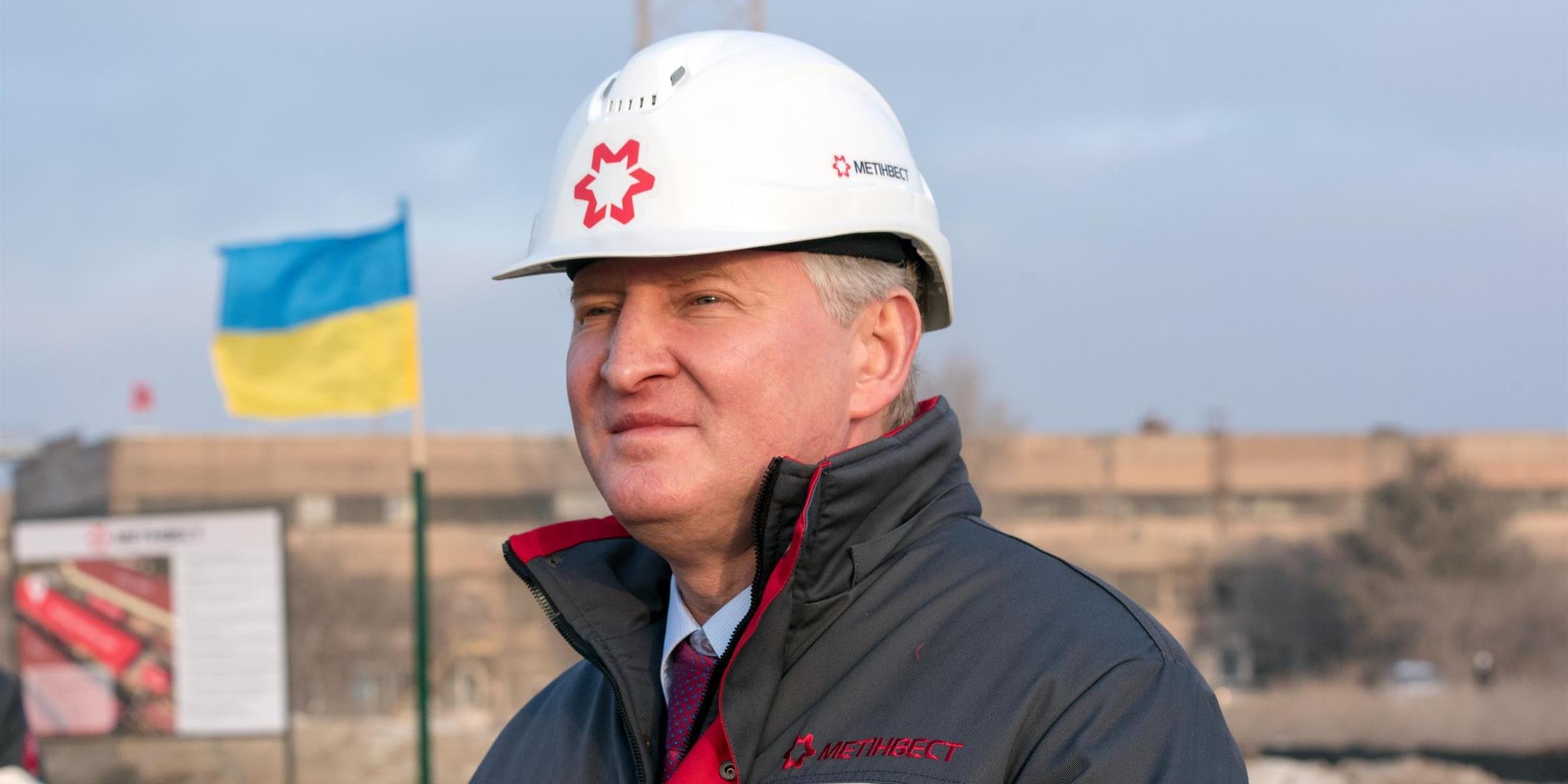
Rinat Akhmetov — the wealthiest Ukrainian in the ranking (ranked 77th, $7.8 billion). Forbes notes that despite business losses due to the full‑scale invasion, Akhmetov’s companies provided aid to the army worth $150 million and produced about 200,000 bulletproof vests. The presence of such resources within the country has a direct connection to ensuring defense capability.
Viktor Pinchuk (ranked 1,504th, $2.8 billion) — founder of Interpipe and owner of the media group Starlight Media.
Vlad Yatsenko (ranked 1,913th, $2.2 billion) — co‑founder and chief technology officer of the British neobank Revolut. In November 2025 Revolut was valued at around $75 billion; at the same time the company’s attempt to operate in Ukraine without a Ukrainian license was rejected — a decision reflecting state control over the fintech market (National Bank of Ukraine).
Also on the list were Petro Poroshenko (former president, owner of Roshen), Andrii Verevskyi (Kernel), Vadym Novynskyi (Smart Holding) and Kostyantyn Zhevago (Ferrexpo) — each about $1.2 billion.
"There has never been a better time to be a billionaire. Thanks to the rapid development of artificial intelligence, hot markets and favorable fiscal policy, a record 3,428 were included in this year's World’s Billionaires list ..."
— Forbes, World’s Billionaires report
What this means for Ukraine
The mere presence of seven Ukrainians in the global ranking is not automatically a positive. Far more important is how these resources are distributed: whether they are converted into investment in reconstruction, jobs and defense, or leave the country as capital abroad. Some capital directly helps the army and volunteer initiatives; other capital is damaged or pulled out as a result of war losses and factory closures.
In practice two trends matter: first, the concentration of a significant portion of national wealth in a limited circle of individuals; second, the ability of businesses to adapt to wartime challenges — from transforming production to making direct donations. For the state, this means the need for incentives and transparent mechanisms that would steer private resources towards rebuilding infrastructure and critical industry.
Global context
The ranking is topped by Elon Musk with ≈$839 billion, significantly ahead of other leaders. He is followed by Larry Page, Sergey Brin, Jeff Bezos and Mark Zuckerberg. The list's combined wealth reached a record $20.1 trillion — $4 trillion more than last year. The number of billionaires rose to 3,428 (400 more), with the most in the US (989), followed by China with Hong Kong (610) and India (229). This signals global structural changes: technological consolidation of profits and the growing role of capital in innovation.
Conclusion
The fact that Ukrainians are present on Forbes' global list is an indicator of both opportunities and challenges. The question is whether these resources will be converted into reconstruction, an industrial renaissance, and strengthened security, or remain an element of wealth concentration. Now the ball is in the court of state institutions and investors: will they be able to create conditions under which private capital becomes a catalyst for the country's recovery.