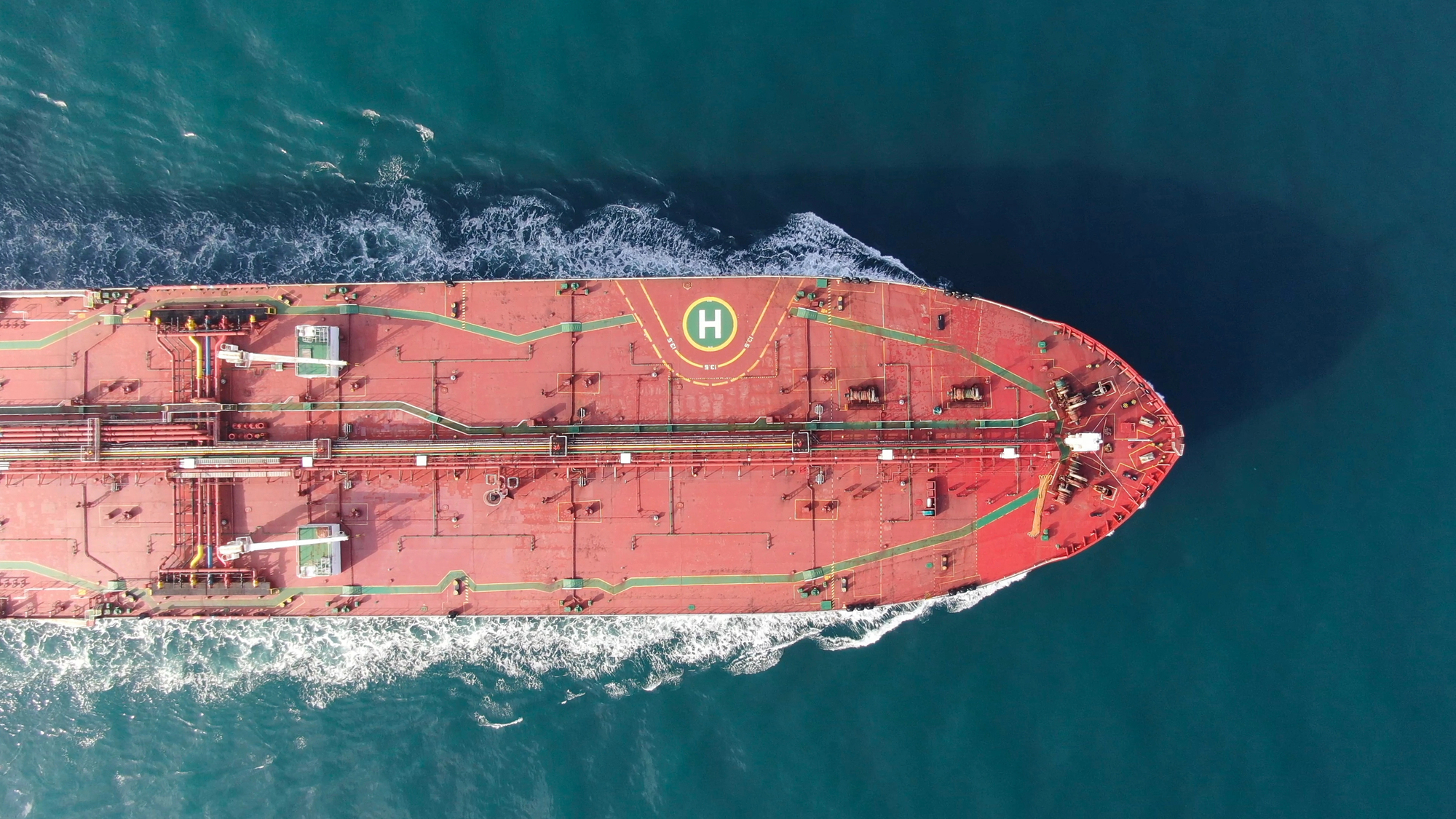
A quiet postponement with strategic consequences
In high diplomacy it's not loud statements but quiet agreements that matter. Energy Secretary Chris Wright told CNBC plainly: "This will happen relatively soon, but not now" — referring to the military escort of tankers through the Strait of Hormuz that Donald Trump promised on March 3.
"We're simply not ready. All our military resources are currently focused on destroying Iran's offensive capabilities and the industry that provides those capabilities."
— Chris Wright, Energy Secretary (CNBC interview)
US position: a temporary pause, not a refusal
Washington's explanation is more functional than political: for now the priority is destroying the opponent's capabilities, not expanding escort operations for ships. According to Wright, the military at the Pentagon are working on this, and implementation could begin by the end of March if the situation allows.
What's happening with supplies — and why it matters for Ukraine
The movement of tankers through the Strait of Hormuz has effectively stopped due to the risk of strikes from Iran. The International Energy Agency (IEA) recorded the largest supply disruption in history, which triggered a spike in energy prices. For Ukraine this means not only higher fuel costs, but increased pressure on public and private budgets, logistics, and energy supply plans for the coming months.
Before the escalation through the strait, about 20% of global oil consumption transited there. Even short-term blockages of such routes lead to immediate market adjustments — and those adjustments are felt by drivers, farmers and energy companies in Ukraine.
Brief forecast: what could change the situation
If a US Navy escort begins by the end of March, it could partially stabilize transit and markets. But if the delay drags on, phases of high prices and logistical uncertainty will continue. Analysts emphasize: the decision to provide escorts is not only a military operation but also a signal of confidence to the markets.
Conclusion
While public attention is focused on loud promises, the real impact is determined by temporary decisions and their economic effects. It is important for Ukraine to track not only when the escort will start, but also what support measures partners are ready to provide in case of prolonged pressure on energy markets.
"Later today I will be at the Pentagon — the military are working on this right now."
— Chris Wright, Energy Secretary (CNBC interview)
The question now falls to the partners: will declarations turn into concrete steps sufficient to reduce the risks that have already hit Ukrainian budgets and pockets?







