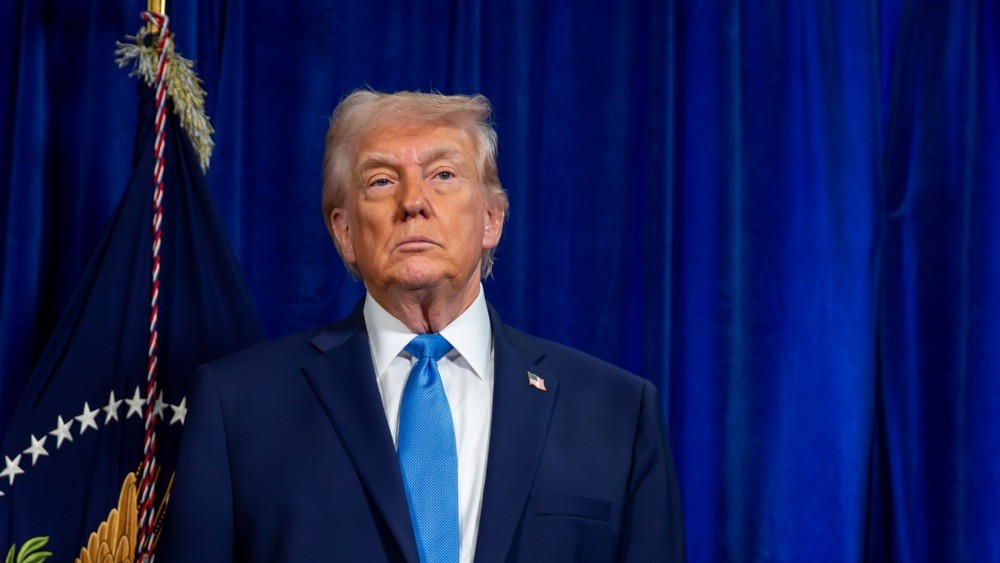
What the president announced
Donald Trump announced his intention to block large investment funds and corporations from buying up single-family homes. According to Reuters, the announcement appeared in a post on Truth Social, and the president urged Congress to enshrine the ban in law. The implementation mechanisms have not yet been specified, so this is more of a political initiative than an immediate change in rules.
"People live in homes, not corporations"
— Donald Trump, President of the United States (post on Truth Social)
Why this is being proposed — logic and politics
The official rationale is to increase housing affordability and lower prices for buyers. There is also a political motive: the initiative is aimed at voters who feel pressure from housing costs ahead of the congressional elections. This is a classic combination of economic argumentation and a political message.
Facts cited by supporters of the ban: after the 2008 crisis institutional investors (Blackstone, American Homes 4 Rent, Progress Residential, and others) bought thousands of single-family homes; as of June 2022 they owned about 450,000 houses — roughly 3% of the single-family rental market. They also note that since Trump’s first term the average home price in the U.S. has risen by about 75%.
Who the ban would affect and possible side effects
The direct target is institutional buyers. But the impact is broader: the rental market, credit availability, and investor behavior could change. A ban without parallel measures to increase housing supply could reduce investment activity in the sector and, in the short term, decrease the number of homes available for rent.
Legally this is complex: clear definitions will be required (who exactly falls under the ban), as well as a review of regulations at the state level and by federal agencies. In addition, investors may redirect capital to other sectors or markets, which would create ripple effects for the housing and lending markets.
Why this matters for Ukraine
At first glance this is U.S. domestic policy. However, there are several reasons to pay attention: first, decisions about the role of investment capital in the housing stock are an important precedent for countries rebuilding housing after destruction. Second, global funds and capital flows affect prices and investments in many regions, including those where Ukrainian developers and investors operate.
A useful lesson for Ukraine: the balance between private capital and state housing-policy instruments must be carefully considered. During reconstruction it is important to attract investment, but also to set rules that protect the population from excessive commercialization of basic housing needs.
Conclusion
Trump’s initiative is essentially a political move with real economic arguments. The consequences depend on how the proposal is legally framed: without clear mechanisms the real impact on the market may be minimal, while potential side effects could be significant. For observers and investors the key is to follow not only the loud statements, but the text of bills and market reactions.







