About the announcement
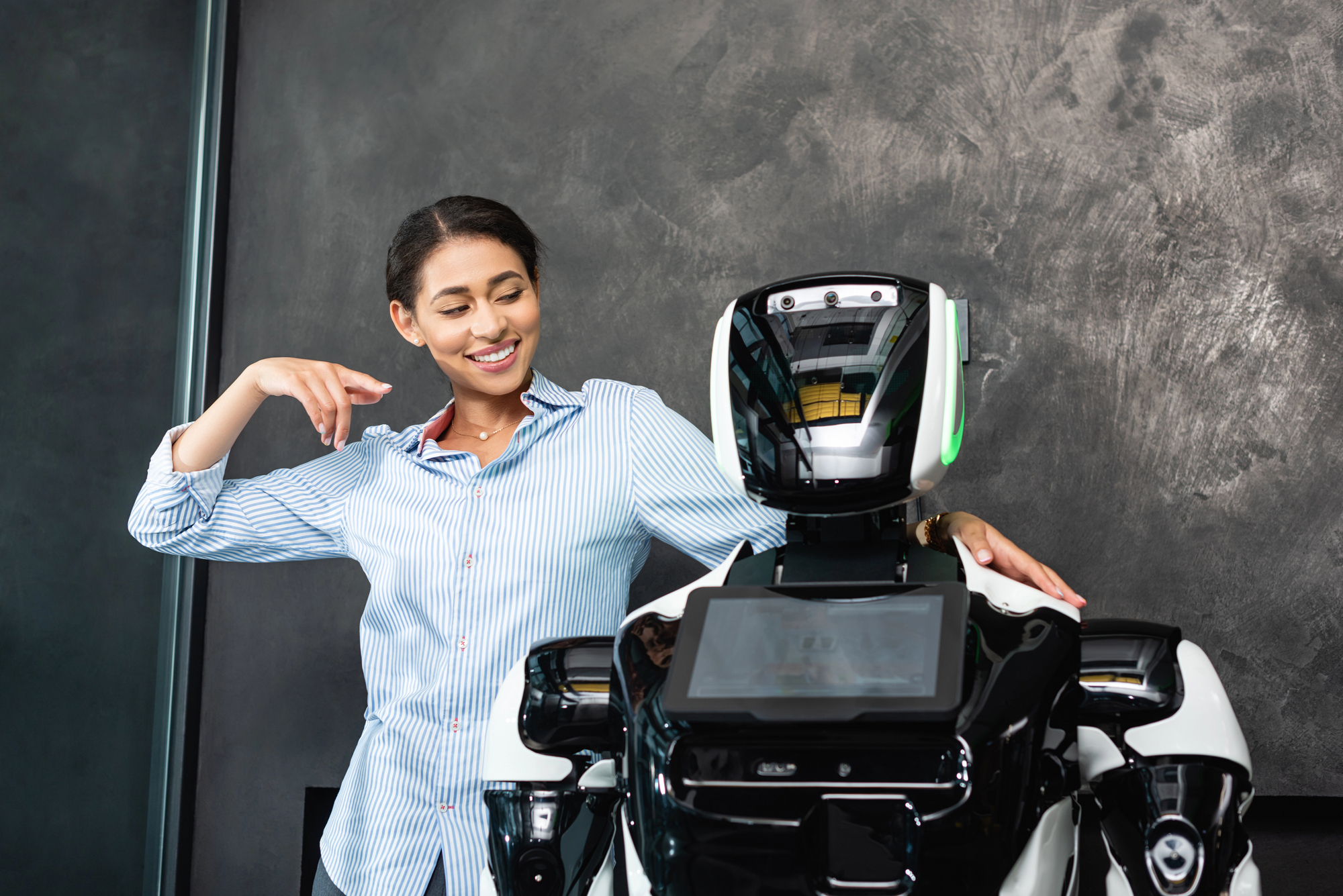
Chinese company Honor announced that it will bring its first humanoid service robot to the MWC 2026 show in Barcelona. According to Bloomberg, the device is positioned as a mass‑market assistant — it is intended to help with shopping and routine household tasks.
"Honor positions the robot as a service humanoid for the mass market, capable of assisting with shopping and routine chores."
— Bloomberg
Why it matters
This launch is not just marketing. Honor is investing billions of dollars in artificial intelligence and expanding its business beyond smartphones by building its own AI services for mobile devices and consumer electronics. This strategy reduces dependence on a single product segment and puts the company in direct competition with other global players — particularly in the consumer automation segment, where service ecosystems and partner networks will be decisive.
Context matters: Honor separated from Huawei in 2020 and received support from investment bodies in Shenzhen and state‑owned enterprises. The company has previously spoken about plans to go public, but no specific IPO dates have been announced. Meanwhile Honor continues to refresh its smartphone lineup — recent releases include the Magic 8 Pro Air, and a slim Huawei Mate 70 Air has appeared in China.
Implications for the market and security
The emergence of inexpensive service humanoids shifts the balance between software, hardware platforms, and logistics. For European retailers and consumer appliance makers it is a signal: prepare to integrate robotics into sales and delivery services. For regulators — questions of certification, privacy, and cybersecurity.
What this means for Ukraine
For Ukraine and its industries this is a kind of beacon. First, demand is growing for skilled personnel in AI and robotics; second, investments in science and infrastructure are important to participate in global supply chains; third, clear cybersecurity rules and standards are needed to protect cloud services and citizens' data.
Market analysts note: manufacturers that combine mass‑market devices with a resilient ecosystem of services will gain an advantage. For Ukraine this means not relying on chance, but shaping policy that will encourage startups, research centers, and private investment in related fields.
Conclusion
Honor's humanoid debut at MWC is part of a broader shift: the innovation race is moving from standalone gadgets to full service ecosystems. For the reader, it raises issues of security, jobs, and market competitiveness. For Ukraine — a chance to turn the signal into strategy: invest in human capital, regulation, and partnerships so as not to fall behind in the next wave of technological transformations.