In major diplomacy, it's not loud statements but quiet agreements that matter
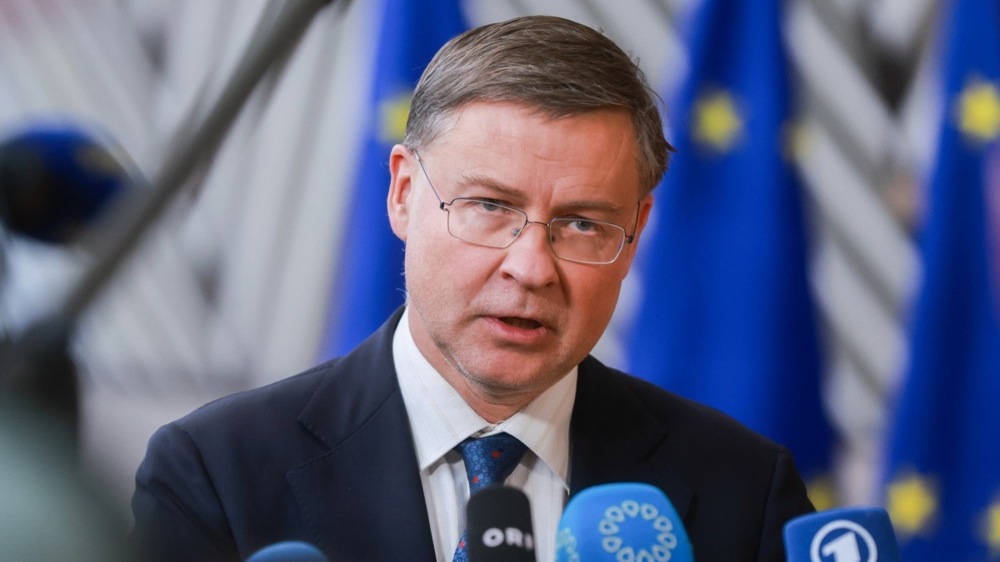
European Commissioner Valdis Dombrovskis publicly appealed to the United States to continue upholding the price-cap mechanism on Russian oil. This is important not as a symbol but as a tool that restricts cash flows that could finance military operations. Now, as energy prices have risen following the escalation in the Middle East, this affects both Ukraine's economic resilience and the ability to deter Russia.
"Therefore it is very important to strictly observe the G7 price gap and potentially move to a full ban on maritime services to limit Russia's war revenues..."
— Valdis Dombrovskis, European Commissioner
What exactly the EU is proposing
In the EU's 18th sanctions package the "cap" is defined as floating: the price is set at 15% below the 10-week average market price. Since 1 February it has been $44.1 per barrel. The next step being discussed in Brussels is a complete ban on maritime services for Russian oil, which would make sea shipments that circumvent the restrictions impossible.
Signals from Washington and the markets
Meanwhile, there are signs in the US of a possible reconsideration of the approach: according to Reuters, the White House is weighing options to ease sanctions, and Bloomberg wrote that any softening could mostly concern shipments to India. On 9 March, Donald Trump publicly spoke about lifting "certain" oil sanctions because of a sharp price jump — facts market analysts point to.
Why this matters for Ukraine
In short: if the cap is respected, the likelihood of reduced Kremlin revenue from energy sales increases; if it is relaxed, Moscow will gain a resource cushion to continue military operations. The practical effect is already being felt in Ukraine — higher fuel costs and inflationary pressure, as LIGA.net explained.
Conclusion — what may happen next
For Ukraine, the key is not emotions but partner coordination. If the US confirms commitment to the mechanism, the restrictions will remain an effective instrument of pressure on the Kremlin; if Washington makes concessions, this will create risks for financing Russian aggression and pressure on our economic indicators. The ball is now in the allies' court: will the signals turn into steady decisions that will work in the long-term fight for Ukraine's security and resilience?







