Briefly
The Bank of England has announced a redesign of its banknotes: instead of portraits of historical figures, they will feature the wildlife of Great Britain. This was reported on the Bank's website. The decision followed a public consultation in which more than 44,000 respondents took part, and the nature theme received the support of about 60% of participants.
What is happening
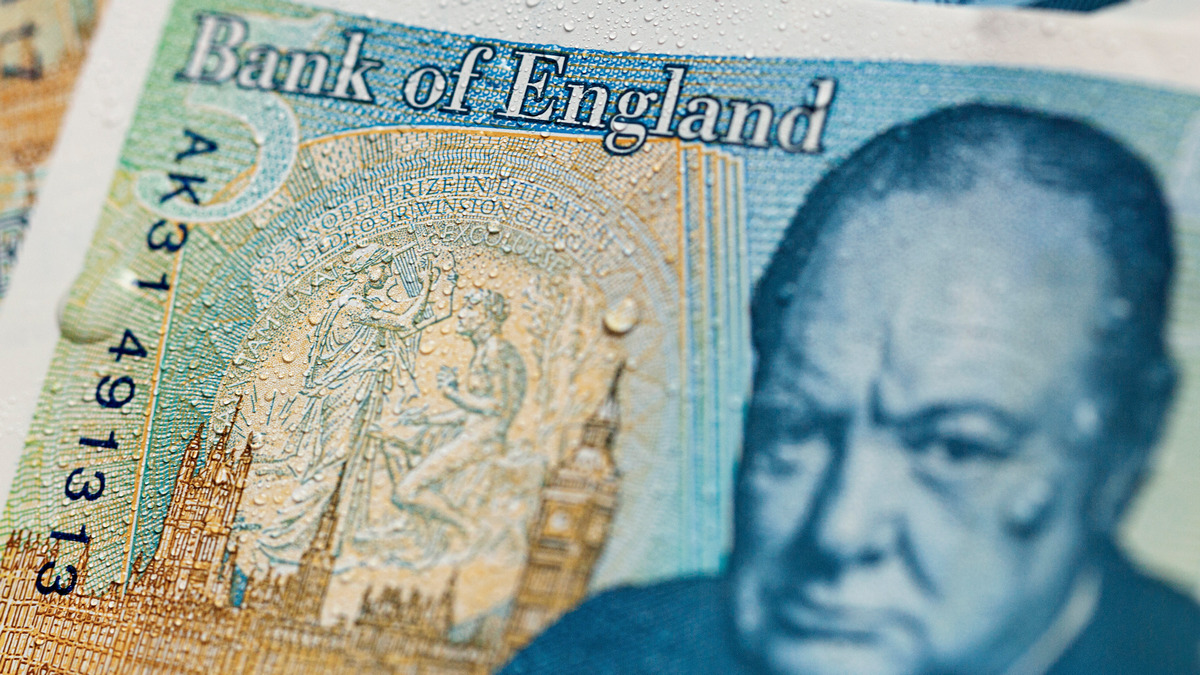
The tradition of depicting portraits on the pound dates back to the 1970s; currently the banknotes feature Winston Churchill (£5), Jane Austen (£10), J.M.W. Turner (£20) and Alan Turing (£50). The redesign envisions that the new issues will depict exclusively endemic species — animals (and sometimes plants and landscapes). The monarch’s portrait and symbols of the four parts of the United Kingdom will remain.
“The results of the consultations showed a clear preference for the wildlife theme; we are now opening a second stage — selecting specific species together with an expert panel.”
— Bank of England, press office
Why this matters
This decision is more than a graphic rebrand. Currency functions as a national brand: the images on banknotes communicate values, history, and how a state wants to see itself. The preference for nature in the consultation signals a shift in public priorities and a desire to emphasize an environmental identity.
Practically, it also means a new cycle of consultations and technical work: from the choice of species (expert panel) to issues of copyright protection, security and banknote production. A full transition will take several years.
Wider context
The Bank of England’s redesign comes against the backdrop of other major projects: the European Central Bank is preparing the first significant redesign of the euro since the currency’s launch, and within the UK the question of the currency’s visual identity is gaining new significance in the post-Brexit era.
What this means for us — a brief comparative look
Ukraine currently maintains the tradition of depicting historical figures and architecture on its banknotes: from Ivan Franko on the 20 UAH note to Volodymyr Vernadskyi on the 1,000 UAH note. The most recent practical change — replacing small banknotes up to 20 UAH with coins from 1 March 2026 — reflects pragmatic steps in monetary policy.
Consequences and questions
The pound’s redesign could affect collectors, tourist symbolism and even the international perception of British statehood. The key question is whether the new banknote will reflect not only aesthetics but real conservation efforts — funding, protection policies and education. Words on a banknote are worth nothing without backed actions.
“Changes in currency design are rarely merely visual; they signal that society is ready to reassess its identity and priorities.”
— expert community, analysis of public consultations
Now the ball is in the experts’ and governments’ court: the consultation results gave a mandate to change the imagery, but turning those values into policy and budget is the next and most responsible step.