What happened
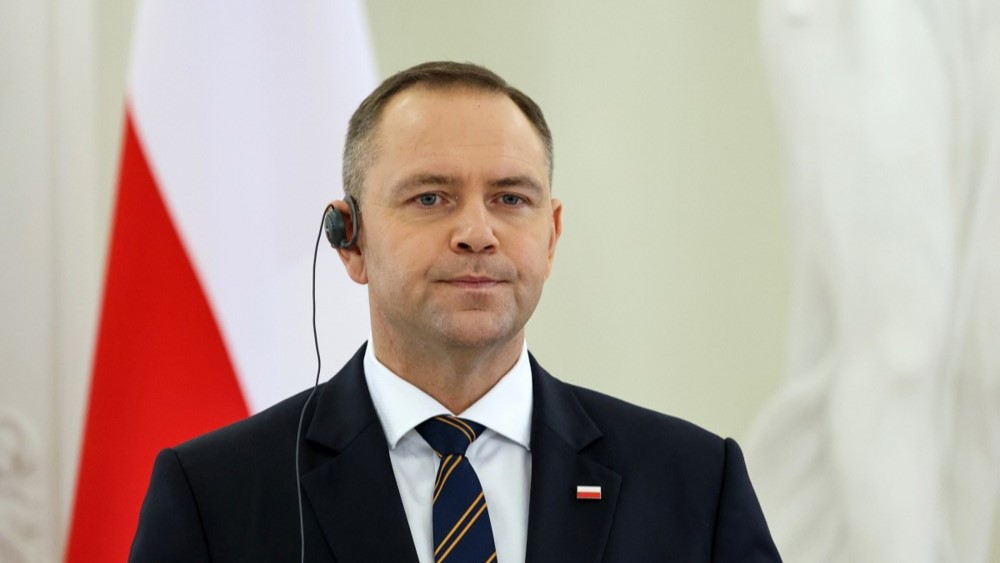
On March 12, President Karol Nawrocki refused to sign the law joining Poland to the European SAFE (Security Action for Europe) defence-loan programme, effectively blocking the country's participation. The programme envisages long‑term loans at low rates for equipment purchases and infrastructure investment — Poland was to receive €43.7 billion (about 180 billion zlotys) over 45 years with a 10‑year grace period.
What SAFE was for and where the money would go
SAFE was created in response to Russian aggression and as a tool for the rapid modernisation of EU defence capabilities. Part of the Polish package was to go to the Polska Zbrojna programme — purchases of equipment for the army, police and border service and investments in industrial infrastructure. The government expected that up to 89% of the funds would go to the Polish defence industry.
"A foreign‑currency loan for 45 years will become a financial burden for future generations."
— Karol Nawrocki, President of Poland
Political conflict inside Warsaw
The head of the National Bank, Adam Glapiński, together with the president proposed an alternative — financing from NBP profits from operations with its gold reserves. Prime Minister Donald Tusk dismissed this as "chutzpah" and promised to implement army modernisation through a special government decree.
"I heard the information from NBP head Adam Glapiński; it contained nothing verified or true; they invented a dangerous chutzpah just to have an alibi for this veto."
— Donald Tusk, Prime Minister of Poland
What this means for European security and Ukraine
SAFE is not just about money for one country. It is an instrument for rapidly scaling up the EU's defence capabilities. Even if Ukraine cannot take direct loans under the programme, it can join joint procurements, and Ukrainian companies are equated with European contractors: purchases "with Ukraine, in Ukraine and for Ukraine" are permitted. The halt of a single large application, like Poland's, means greater delays in coordinating deliveries and a loss of synergy among allies.
"The president seeks… to harm the prime minister as much as possible."
— Yaroslav Kuish, political scientist (comment for AFP)
"The president's main goal is to topple Tusk's government and prepare a change of power in 2027."
— Wojciech Przybylski, analyst, Insight (quote AFP)
Alternatives and their limitations
The government proposed a "Plan B": use of the existing Armed Forces Support Fund. However, this instrument is less attractive — it allows financing only for the army (excluding police and border guards) and does not offer the favourable terms that SAFE does. Switching to domestic financing may speed up certain procurements, but it will raise costs and reduce opportunities for integrating regional industrial supply chains.
Consequences and outlook
In the short term, the government will try to circumvent the veto through special decrees — this reduces the risk of a complete halt to modernisation. In the medium term, the president's decision lowers Warsaw's credit of trust among partners and creates risks for coordination of deliveries, including joint procurements that are useful for Ukraine. For us, it is important to watch not only the sums, but how the EU preserves mechanisms for interaction between defence markets.
The question is: will the political infighting in Warsaw turn into delays of real deliveries and lost opportunities for Ukrainian companies? The answer will be determined by how quickly partners turn declarations into signed contracts.