What changes from March 2
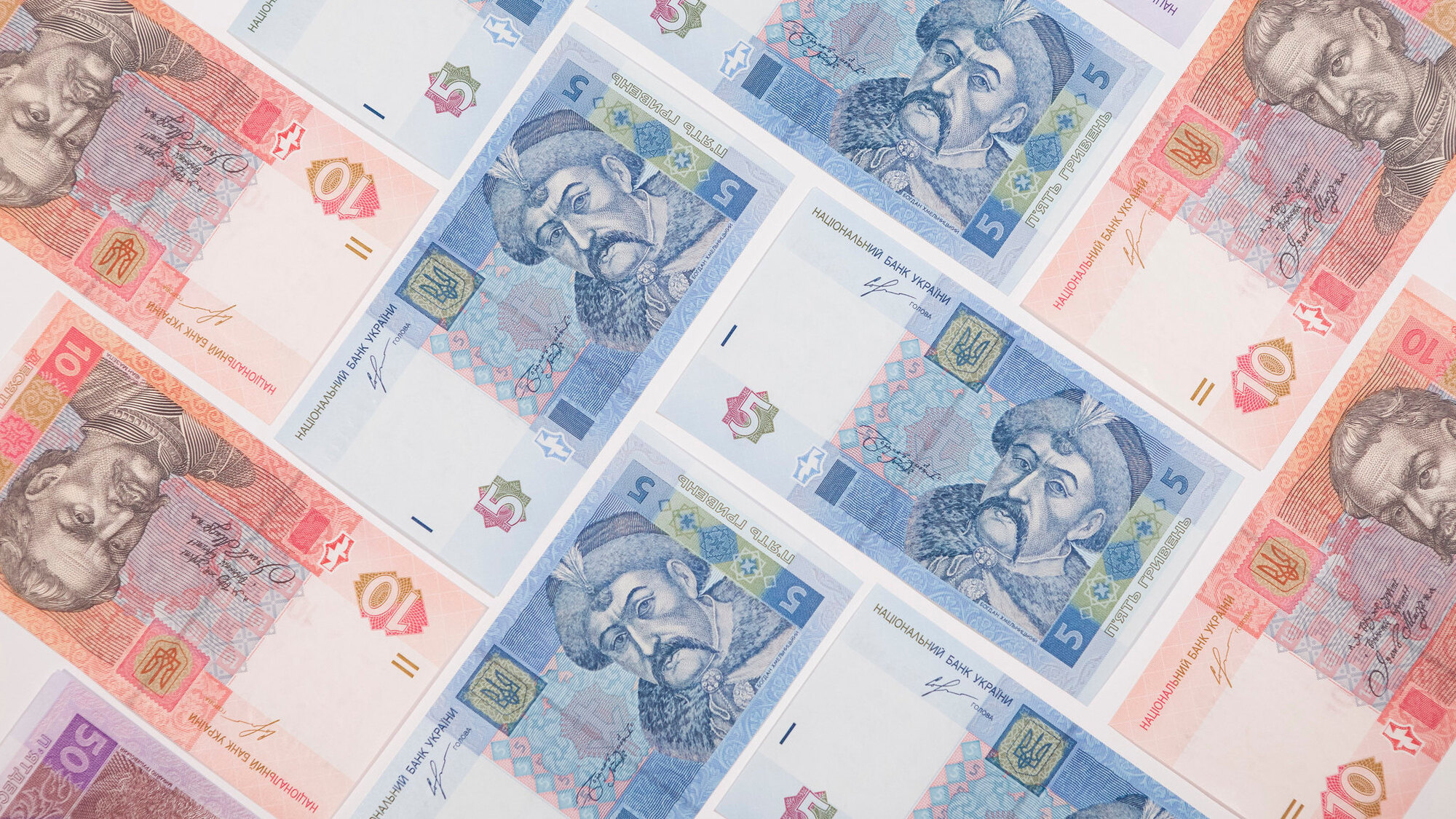
The National Bank of Ukraine has announced that 1, 2, 5 and 10 hryvnia banknotes issued in 2003–2007 will cease to be legal tender and will be withdrawn from cash circulation from March 2. This means: retail chains, services and banks should not accept these banknotes for payments.
“From that date these banknotes will cease to be legal tender and will be withdrawn from cash circulation. They will not be able to be used for cash payments…”
— National Bank of Ukraine, press service
Where and under what conditions old banknotes can be exchanged
Exchanges will be free of charge and without limits at three main locations:
- at all branches of banks in Ukraine — within one year from the date of withdrawal, i.e., until February 26, 2027 inclusive;
- at authorized banks (Oschadbank, PrivatBank, Raiffeisen Bank, PUMB) — within three years, until February 28, 2029 inclusive;
- at the National Bank — currently indefinitely.
If you still have such banknotes — you can exchange them in any convenient way within the specified deadlines.
“Their average service life is about 2.5 years. That is, in fact, the banknotes of these denominations that remained in circulation are worn out.”
— National Bank of Ukraine, press service
Why the NBU is taking this step: in plain terms
The reasons are technical and economic. Low-denomination banknotes wear out quickly; replacing them with coins reduces the state's operating costs: a coin lasts longer, so at the national scale this saves resources and logistics. Additionally, the NBU reported an accumulation of more than 800 tonnes of small coins being withdrawn from circulation and is already purchasing a machine for their disposal — this is part of routine cash management.
What this means for people and the market
For the average citizen the changes will mostly go unnoticed: small paper notes will be replaced by coins, and cash transactions will remain familiar. For businesses — fewer awkward situations when accepting damaged notes and fewer disputes at the checkout. For the state — more efficient cash management in conditions of limited resources.
As of July 1, 2025, the amount of cash in circulation in Ukraine amounted to UAH 859.9 billion, which is 4.6% more than at the beginning of the year — a reminder that cash remains an important element of the economy, but its structure and form are adapting to modern needs.
Conclusion
This decision is not an emotional intervention, but part of the technical modernization of cash circulation. The issue is not only about small change: it is about saving resources and maintaining stability at a time when every efficient step acquires strategic importance. Now the important task for citizens is to exchange old banknotes at a convenient time and not be left with an unacceptable “minus” in their wallet.