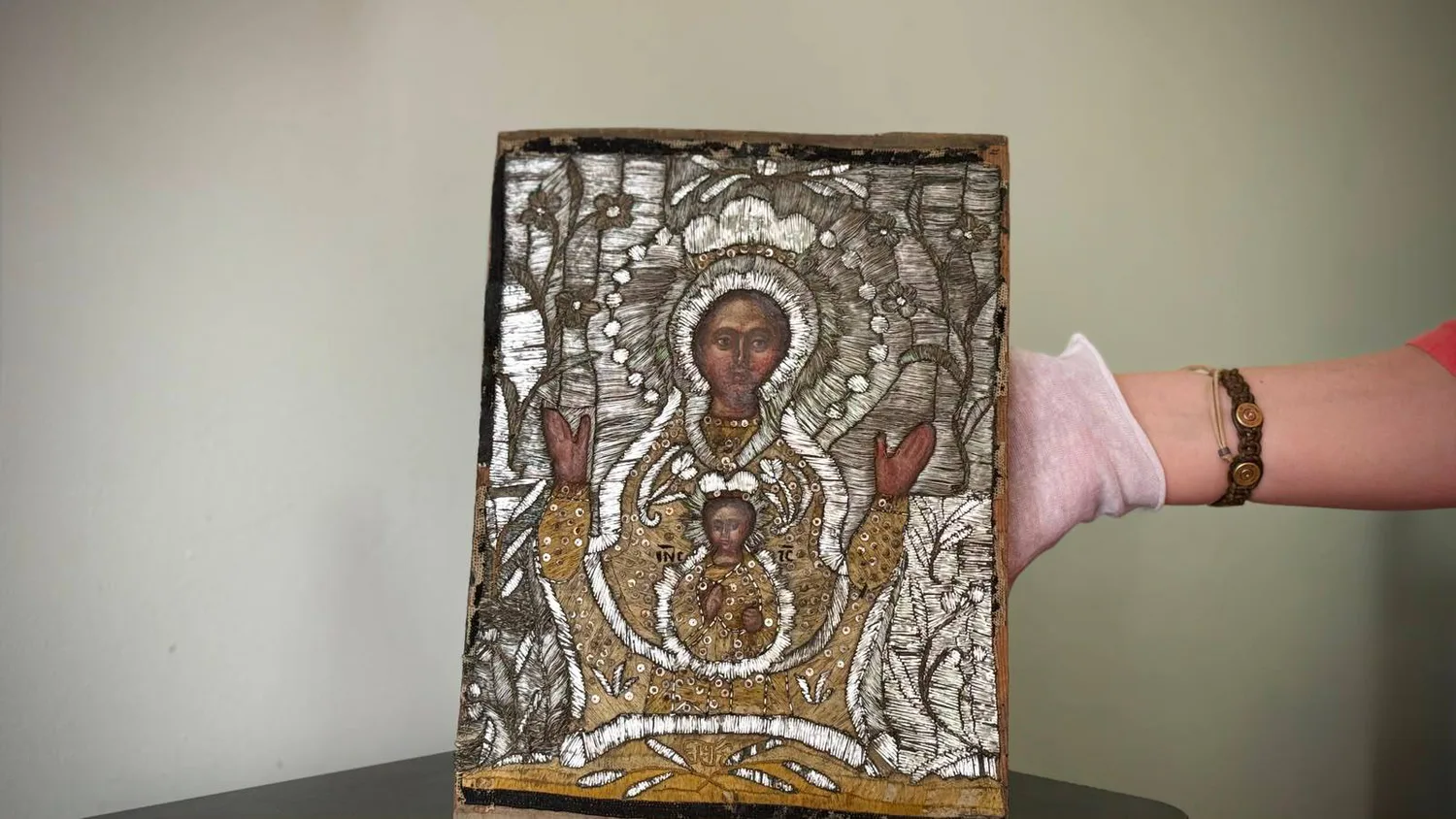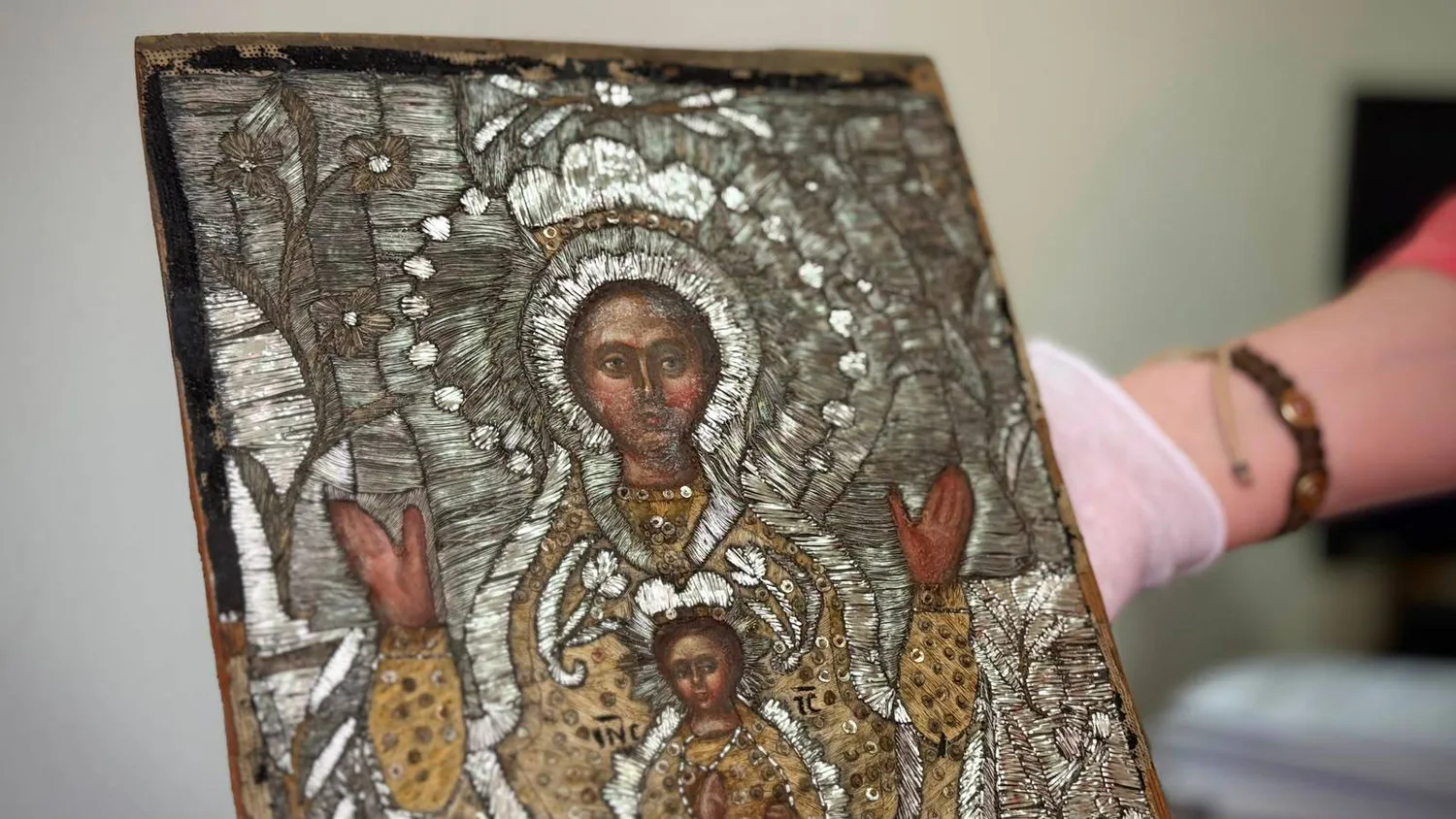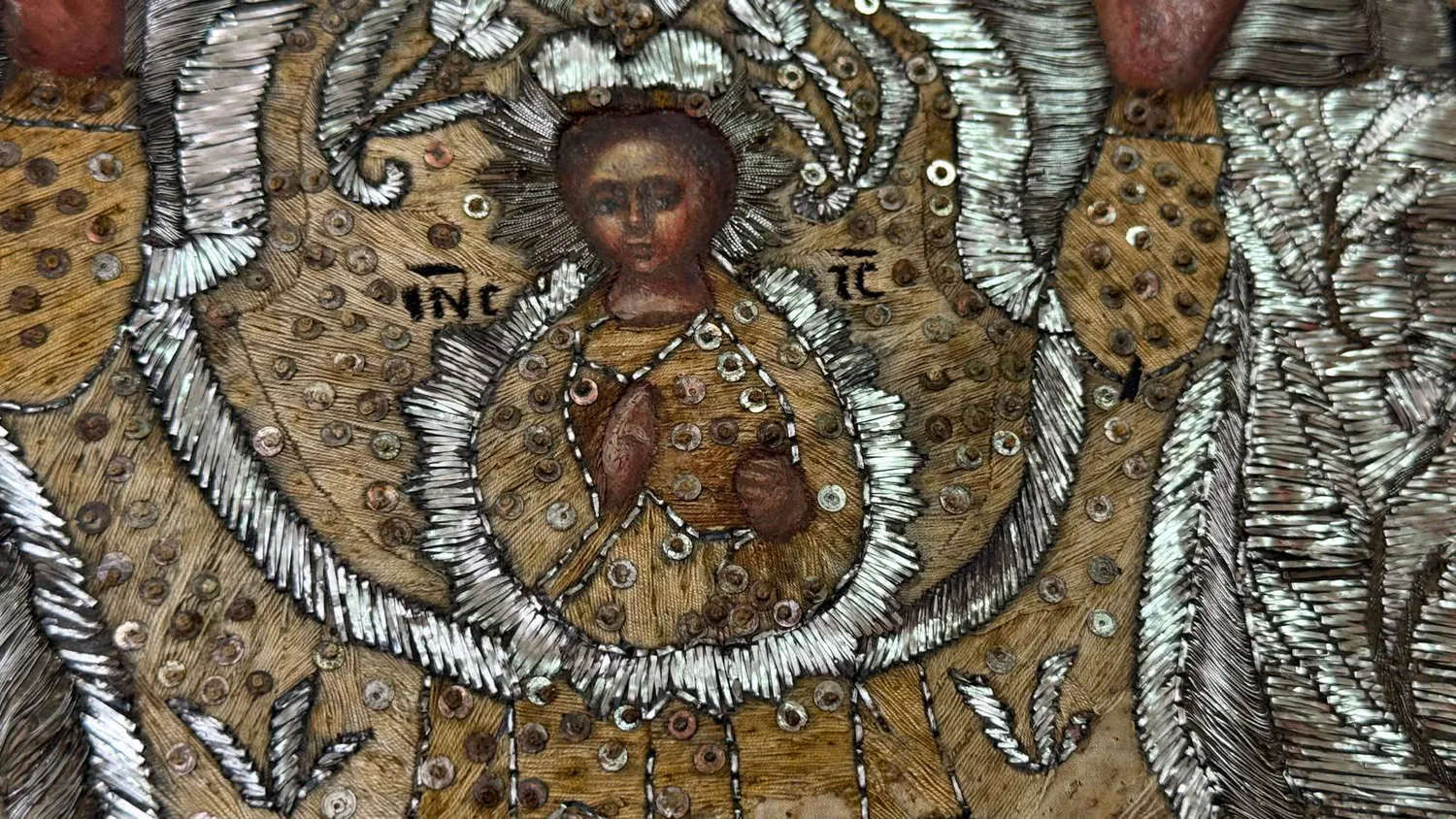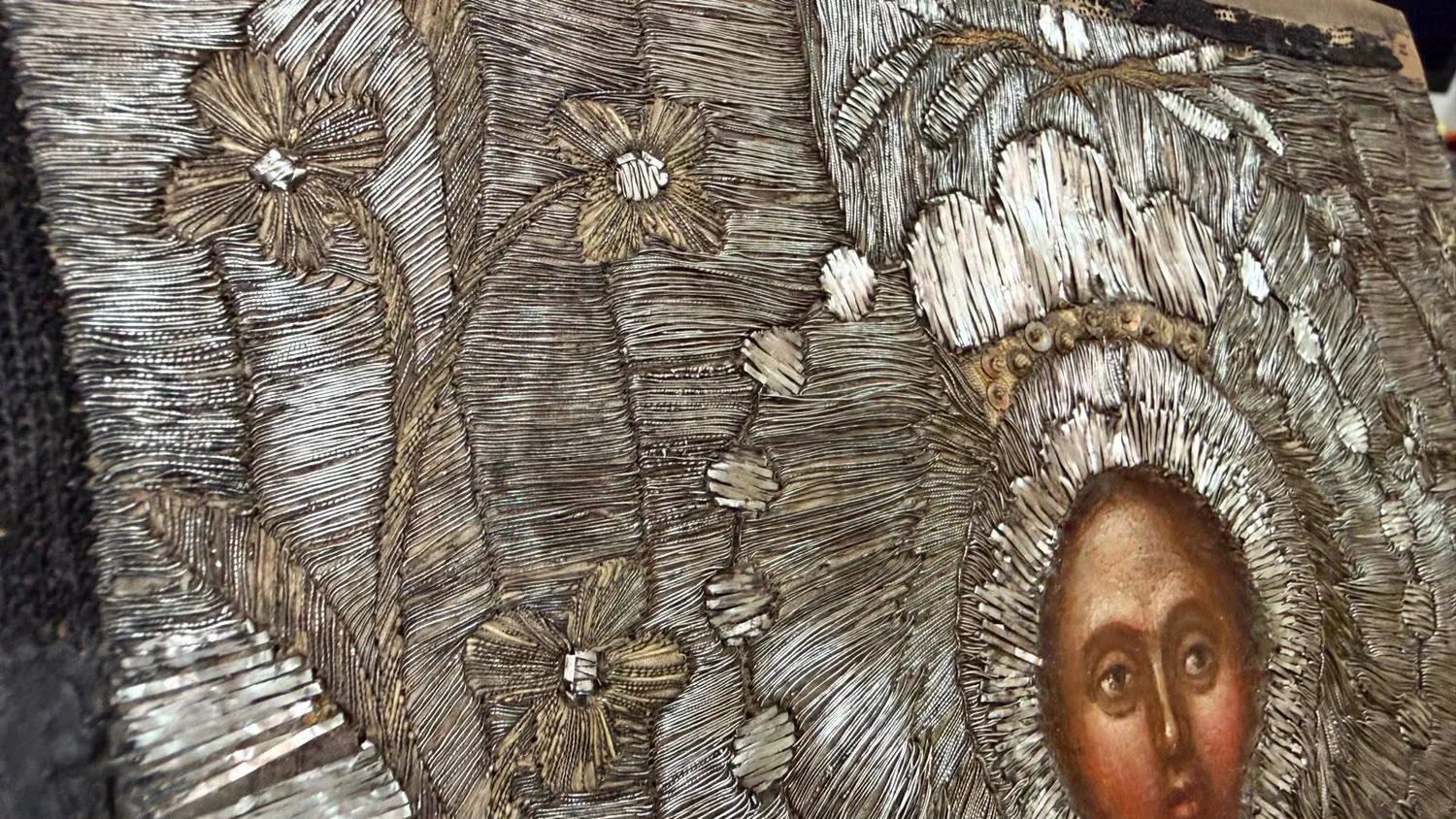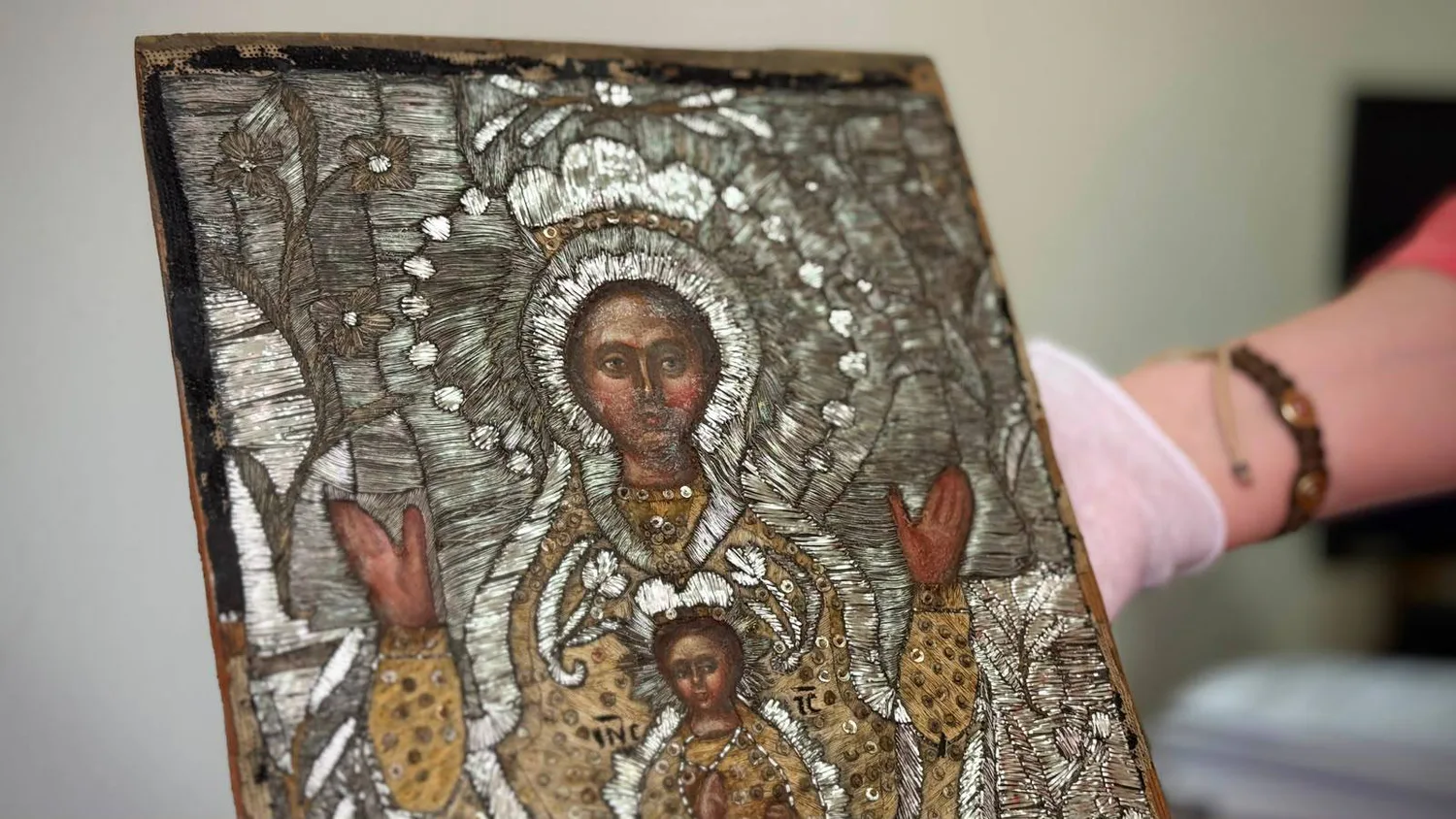
The icon was not transported in a suitcase or hidden in a false bottom — it was simply sent by mail. An ordinary international shipment from Kyiv to Thailand. This is how a cultural monument, which masters created with a needle and silver thread over 180 years ago, could have disappeared from Ukraine.
What customs officers found
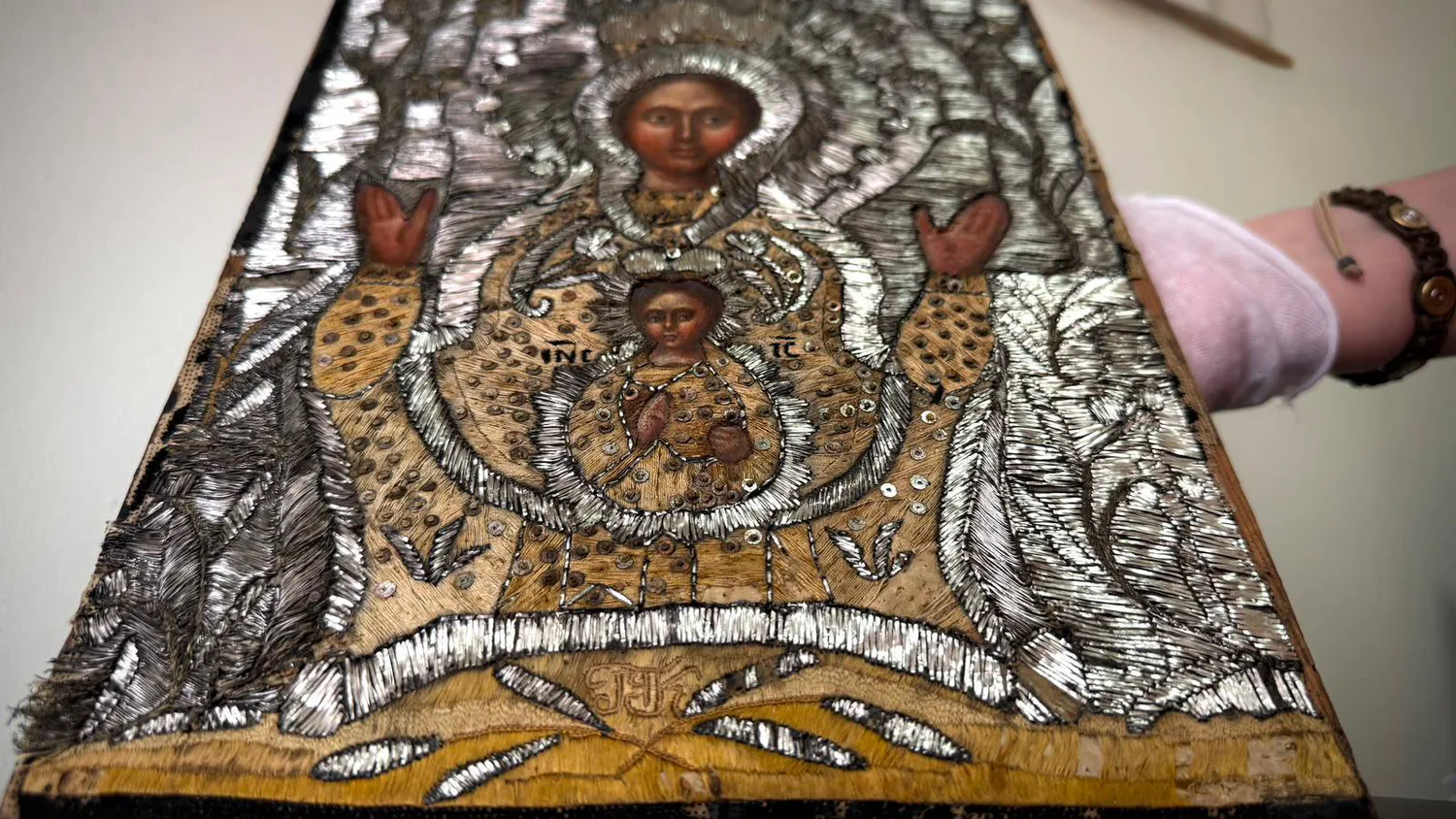
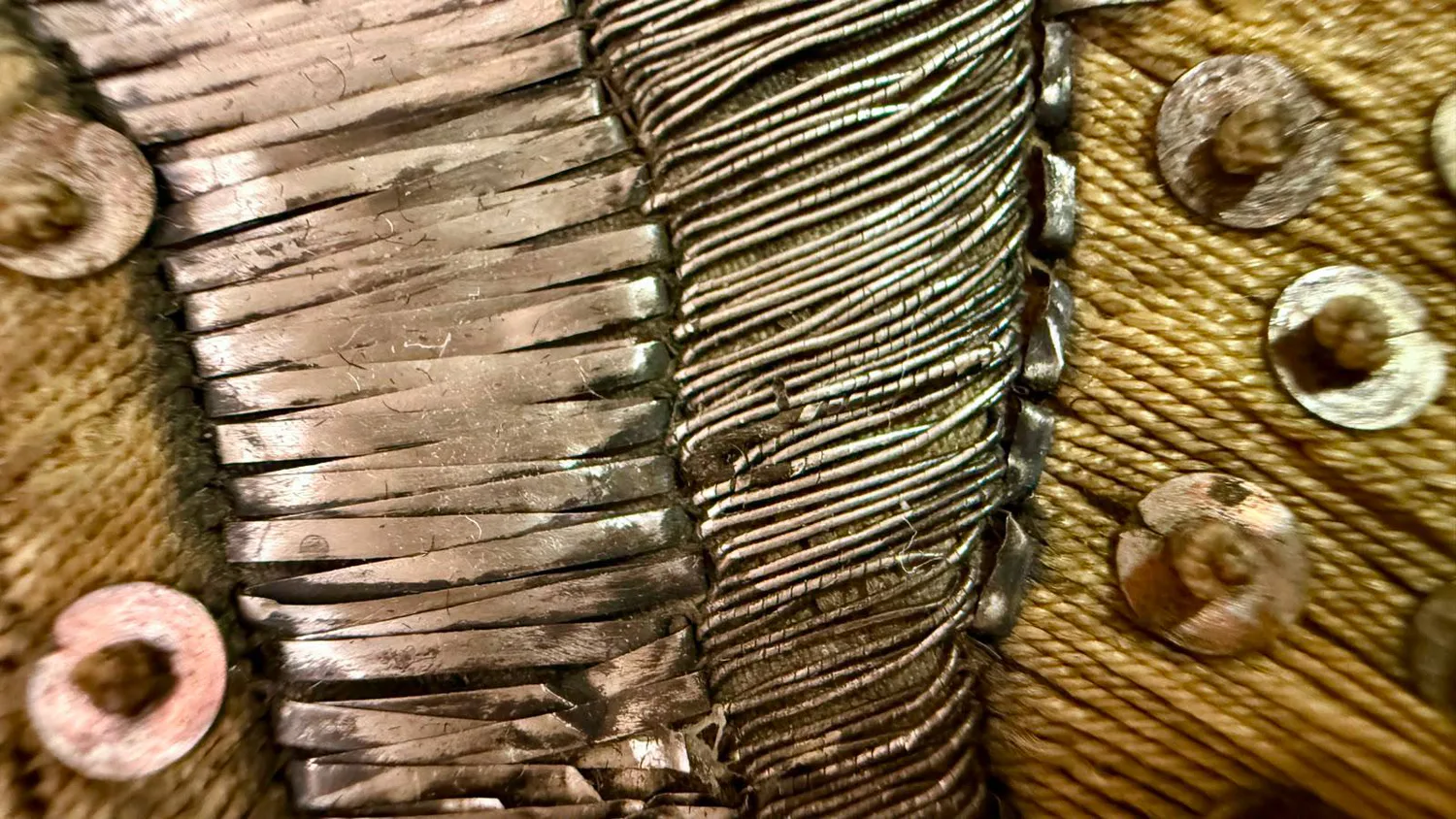
During customs control of postal shipments, Kyiv customs officers discovered an embroidered icon "Mother of God Sign," dated to the first half of the 19th century. According to experts from the National Museum of the History of Ukraine, it was created using a combined technique: oil painting combined with embroidery — embroidery with silk threads, sequins, as well as flat and twisted silver threads.
"Embroidered icons have survived to our time in significantly smaller numbers than painted icons and other embroidered objects of church use"
— conclusion of experts from the National Museum of the History of Ukraine
The sender from Kyiv did not provide customs authorities with the mandatory documents required for the export of cultural valuables. Customs officers drew up a protocol on violation of customs regulations, confiscated the icon, and placed it in safekeeping pending court review of the case.
Why this is more than just an "old icon"
Embroidery is a technique that required months of work and was expensive even in the 19th century. For this reason, such icons survived disproportionately few in number: they were not mass-produced like printed or even painted religious images. Each one is a unique handmade item. According to experts, the scientific, artistic, and museum value of this particular object is beyond question.
The shipment route — to Thailand — raises unanswered questions: whether this was a private deal or if the icon was intended for an intermediate buyer, remains unclear. Customs service only reported the fact of confiscation.
Systemic context
This case is not isolated. In March, border guards stopped an attempt to export ancient icons to Romania. In October 2025, Lviv customs officers confiscated an icon valued at approximately one million hryvnia, which was being exported without documents. Postal channels are becoming an increasingly popular method for transporting cultural valuables: less personal risk for the sender, less scrutiny at the start.
- Under Article 201 of the Criminal Code of Ukraine, smuggling of cultural valuables is punishable by imprisonment from 3 to 7 years with confiscation of the items.
- For legal export, one needs an expert opinion and permission from the Ministry of Culture — a procedure that most violators simply ignore.
- The icon remains in storage pending a court decision: its further fate — return to a museum collection or to a private owner — depends on whether the sender can prove the legality of the acquisition.
If the court fails to establish the legal origin of the icon for the sender, it will almost certainly end up in the state museum collection. But how many similar shipments pass unnoticed — the customs service does not publish statistics.