Briefly
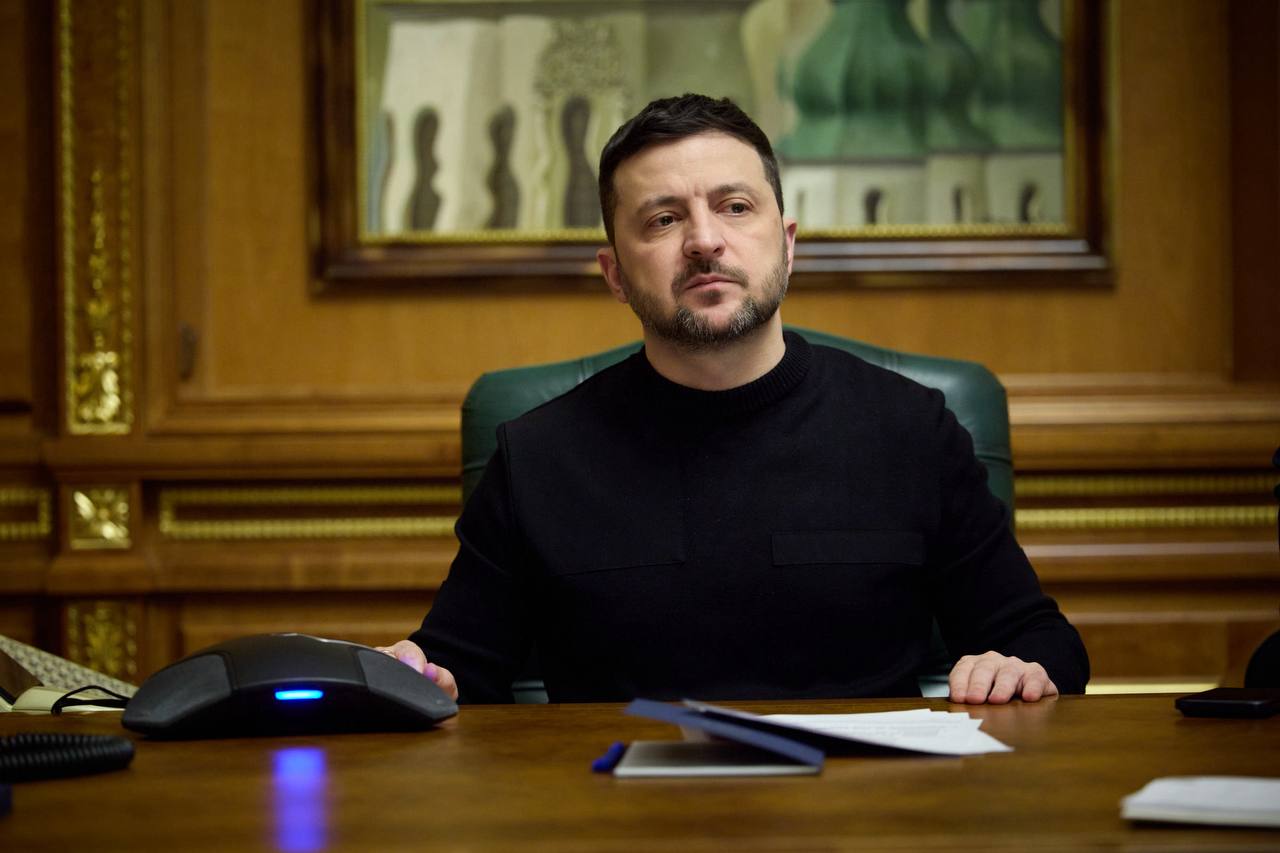
After the meeting of the Stavka, President Volodymyr Zelensky reported that Ukraine has received 11 requests from neighbors of Iran, European countries and the United States for help in countering strike drones. The requests concern interest in Ukrainian interceptors, electronic warfare systems and training.
What the president said
"We analyzed the main prospects of this war in Iran and the possible consequences of its protraction. We also examined in detail states' requests for security support from our side — in countering 'Shaheds' and other similar challenges. As of now there are 11 requests from countries — neighbors of Iran, European states and the United States."
— Volodymyr Zelensky, President of Ukraine
Why this matters
Events in the Middle East already have a direct impact on Europe and global markets — from energy to logistics. Ukrainian practice in defending against strike UAVs has become a valuable case in real combat conditions, and partners are looking for fast, proven solutions. This is not only a matter of equipment: it concerns saving lives, supply stability and preventing escalation.
What they're asking for and who
In their appeals, partners are focusing on three components: interceptors (counter-drone systems), electronic warfare (EW) systems and training (force training). Among the initiators of the requests are countries that border Iran directly, several European states, and the United States. Separately — a reference to Britain’s intention to involve Ukraine in the fight against Iranian drones, confirmed by statements from the Prime Minister of the United Kingdom.
Context: comparisons and limitations
The president also emphasized an imbalance in capabilities: in a few days of confrontation in the Middle East, U.S. partners used about 800 PAC-3 missiles — a quantity Ukraine did not have at that scale. That is why Kyiv sets priorities: assistance can be provided, but in a way that does not reduce its own capacity to protect citizens and borders.
How decisions will be made
The National Security and Defense Council (NSDC), together with the General Staff and the Defense Forces, must determine which requests can be answered without harming defense capability. This means combining operational risk assessment, logistics and international commitments — otherwise assistance could become a risk to Ukraine's own security.
"Ukraine's priority is clear: the Iranian regime must not gain any advantage over the defenders of life, and everyone must work together for tangible stabilization both in the region and in global markets"
— Volodymyr Zelensky, President of Ukraine
Consequences and scenarios
If Ukraine provides standardized solutions — this will strengthen trust in our defense-technical potential and open new formats of cooperation. At the same time, the transfer of materials or technologies must be balanced: Kyiv demonstrates readiness to help, but not at the cost of weakening its own air defense. A separate line of work is blocking production facilities that supply weapons used against civilians and military personnel.
Summary
Requests from partners are recognition of Ukrainian experience and its value in the modern drone war. Now the state's task is to turn the requests into safe, transparent solutions that will increase collective security, not weaken our readiness for self-defense. The next step is coordination between policymakers, military leadership and partners: declarations must be turned into concrete, controlled mechanisms of assistance.
Sources: speech by the President of Ukraine following the Stavka meeting; reports of the NSDC and ministries; LIGA.net — analysis of possible scenarios in the Middle East.





