What happened
After the nighttime attack on February 7, the government reported the launch of an additional 9 MW of capacity in Kyiv — this was announced by First Vice Prime Minister and Minister of Energy Denys Shmyhal at the meeting of the Headquarters for Eliminating the Consequences of the Emergency in the Energy Sector.
“The situation with electricity supply remains difficult. Energy workers continue restoring facilities hit by Russia on the night of February 7. The damage is substantial. We are working on comprehensive solutions, including launching additional generation capacity. Work is progressing according to established schedules.”
— Denys Shmyhal, Minister of Energy
Why 9 MW is a step, but not a solution
The figure of 9 MW is important for immediate recovery, but it must be compared with the scale of needs. According to the mayor of Kyiv (Reuters), the city needs about 1700 MW for full operation. Even combined with 300 generators from partners (their total capacity is about 1.6 MW) and record electricity imports, which the government says helped hold the system together, the gap remains large.
What happened in the grid and what the consequences are
During the attack, Russia used hundreds of drones and missiles (reports indicate 408 drones and 39 missiles), deliberately striking substations and lines that feed critical infrastructure and nuclear power plants. Some nuclear units temporarily reduced generation, and one unit automatically shut down. Such strikes increase the risk of local outages and require rapid load transfers and additional operational maneuvers in the grid.
What this means for Kyiv residents
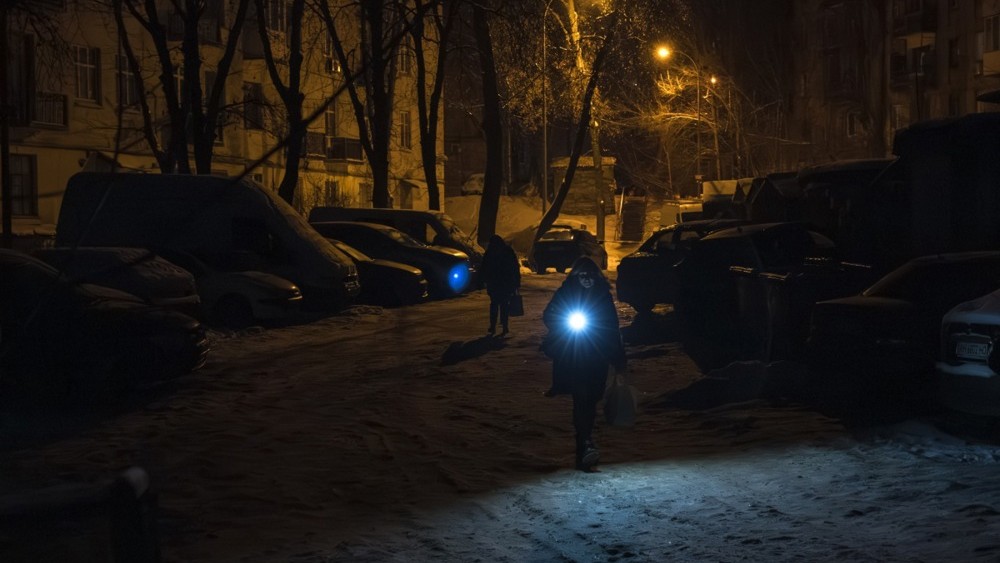
The practical effect for residents will depend on how the additional capacity is distributed across districts and on priorities (hospitals, utilities, water supply). 9 MW may soften short-term interruptions in certain locations, but it will not replace the scheduled outages announced by DTEK. At the same time, electricity imports and smaller outage volumes in some regions (according to Ukrenergo) give the system time to repair critical links.
Key context: partners and logistics
The decisions to bring additional generation online and to boost imports demonstrate two things: first, the operational response algorithms to large strikes are working; and second, the problem is structural and requires large-scale international assistance in the form of equipment, fuel, and investments in restoring and modernizing the grid. Experts and energy companies agree that short-term injections must be combined with a plan for the months ahead.
Conclusion
The launch of 9 MW is an important but local step in the recovery after the mass attack. It provides relief in certain spots and time for repairs, but it does not change the fundamental imbalance between Kyiv’s needs (~1700 MW) and temporary resources. Going forward, decisive factors will be the resilience of the grid, coordination of imports with international partners, and the speed of restoration work.
Question for partners and authorities: will it be possible to turn temporary measures into systemic investments that will reduce the energy system’s vulnerability over the coming months?
Sources: statement of the Ministry of Energy (Shmyhal), Reuters (estimate of Kyiv’s needs), DTEK, Ukrenergo — public statements from the government and energy companies.





