What happened
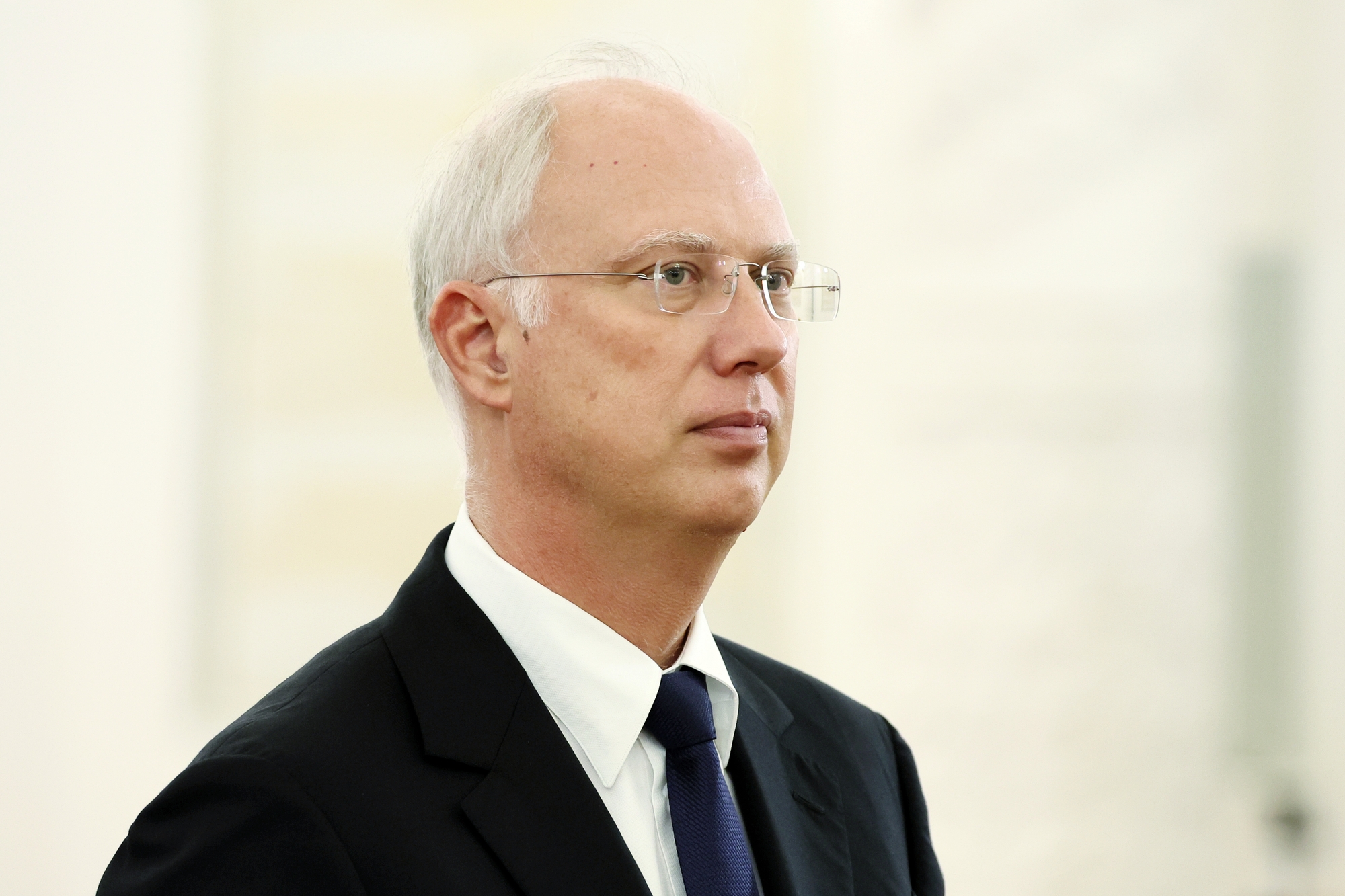
Le Monde reports that Kirill Dmitriev was spotted in Paris on January 7 — the day after the "coalition of the willing" meeting. According to the outlet (citing an unnamed interlocutor), he was seen on Rue du Faubourg Saint-Honoré, and later he was reportedly received at the US embassy, which is located near the Élysée Palace.
"Kirill Dmitriev was spotted in Paris on January 7"
— Le Monde (according to an unnamed interlocutor)
"A Kremlin representative did not visit the president's residence"
— The Élysée Palace
Context and why it matters for Ukraine
On January 6, 2026, a meeting of the "coalition of the willing" took place in Paris, after which Zelensky, Macron and Starmer signed a declaration of intent regarding the future deployment of multinational forces. The Office of the President also published a joint declaration that same day.
The appearance of a Kremlin representative near the site where allied diplomatic activity was taking place can be interpreted in several rational ways: it could be an attempt to monitor political dynamics, a signal from Moscow, or engagement via indirect channels of communication. In any case, for Ukraine it's important not only that the person appeared, but also how partners will interpret it and what countermeasures they will take.
Details and implications
On one hand, the official denial from the Élysée Palace removes questions about a formal visit to the president's residence — an important protection against information speculation. On the other hand, reports of a meeting at the US embassy near the center of political activity indicate that intensive diplomatic contacts are occurring behind the scenes.
Analysts and diplomats note that such episodes affect trust between parties and partners' willingness to turn declarations into concrete steps. For Ukraine, the key question is whether the intentions signed in Paris will be converted into concrete contracts and deployments that strengthen security at the front.
What next
While official comments remain limited, Ukraine's strategy has two lines: increase transparency (to reduce informational speculation) and insist on the implementation of partners' agreements (so declarations do not remain on paper). The question is whether allies will turn the diplomatic momentum into concrete decisions — and how quickly.
Both optics and specifics matter. Whether the declaration signed in Paris can become a mechanism of real support for Ukraine depends on the next steps taken by its partners.





