What was reported
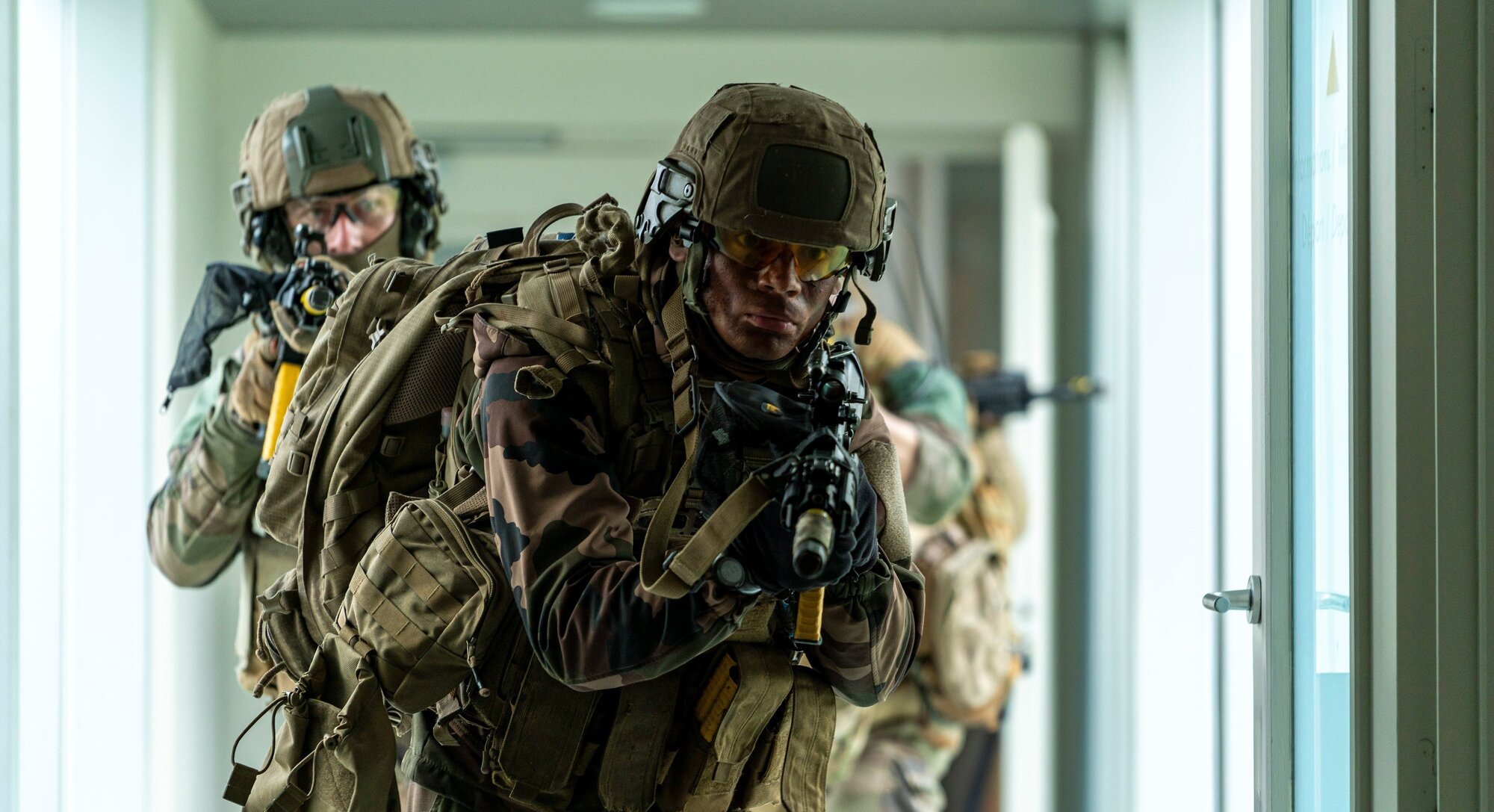
France is considering sending to Ukraine about 6,000 soldiers, but to station them in rear areas, reports Le Monde. The initiative was announced after the "coalition of the willing" meeting in Paris: President Emmanuel Macron held consultations to agree on the plan.
"We will not be on the front line, but we are there to support the Ukrainian army"
— Emmanuel Macron, President of France (quoted by Le Monde)
The Chief of the Defence Staff of France, General Fabien Mandon, described the contingent not as an intervention or stabilization force, but as "forces to bolster the confidence of the Ukrainian army."
"These are forces to bolster the confidence of the Ukrainian army"
— General Fabien Mandon, Chief of the Defence Staff of France (via Le Monde)
What partners are saying
According to Le Monde, Jean‑Louis Thiériot from the Defence Committee of the French National Assembly claims that Macron received security assurances from the United States — allegedly America would intervene in case the ceasefire is violated. At the same time, parliamentary circles express skepticism about relying on such guarantees.
"There is no reason to trust Donald Trump, especially given that he threatens numerous Latin American countries..."
— Mathilde Panot, member of the French National Assembly
In practice: on 6 January Ukraine, France and the United Kingdom signed a declaration of intent on troop deployments; on 7 January the Prime Minister of Slovakia expressed willingness to monitor compliance with the peace but without sending Slovak forces.
- 6 January — declaration by Ukraine, France and the United Kingdom of intent to deploy contingents.
- 7 January — Slovakia is ready to monitor, but without deploying its army.
Why this matters for Ukraine
First, even rear-area deployment is a signal: it increases international presence and political deterrence. For Russia, the presence of NATO/partner units in the rear complicates simple escalation without diplomatic and military consequences.
Second, such forces can work on training, logistics and restoring the capabilities of the Armed Forces of Ukraine — an effect that is not immediately visible but felt over the longer term.
Third, this is a test of allies' coordination: the rules of engagement, the status of forces and partners' response mechanisms in case of violations will be important.
Risks and open questions
Stationing in the rear reduces combat effectiveness for direct pressure on the front. If the scenario's main role is political signaling, that is positive; if a quick impact on the frontline is expected — it will not deliver.
Key questions: what specific tasks will the French units receive, what will be the rules of interaction with Ukrainian forces, what do the guarantees from partners (including the United States) look like, and how will Russia react to the increased presence of allies.
Conclusion
France's plan is an important political tool of support: support without direct combat can strengthen Ukraine's capabilities and send a signal to Russia. At the same time, real shifts on the front require concrete material deliveries, integrated training and clear guarantees from partners. The next step is details on the legal status, rules of engagement and confirmation of operational commitments from allies.





