What happened
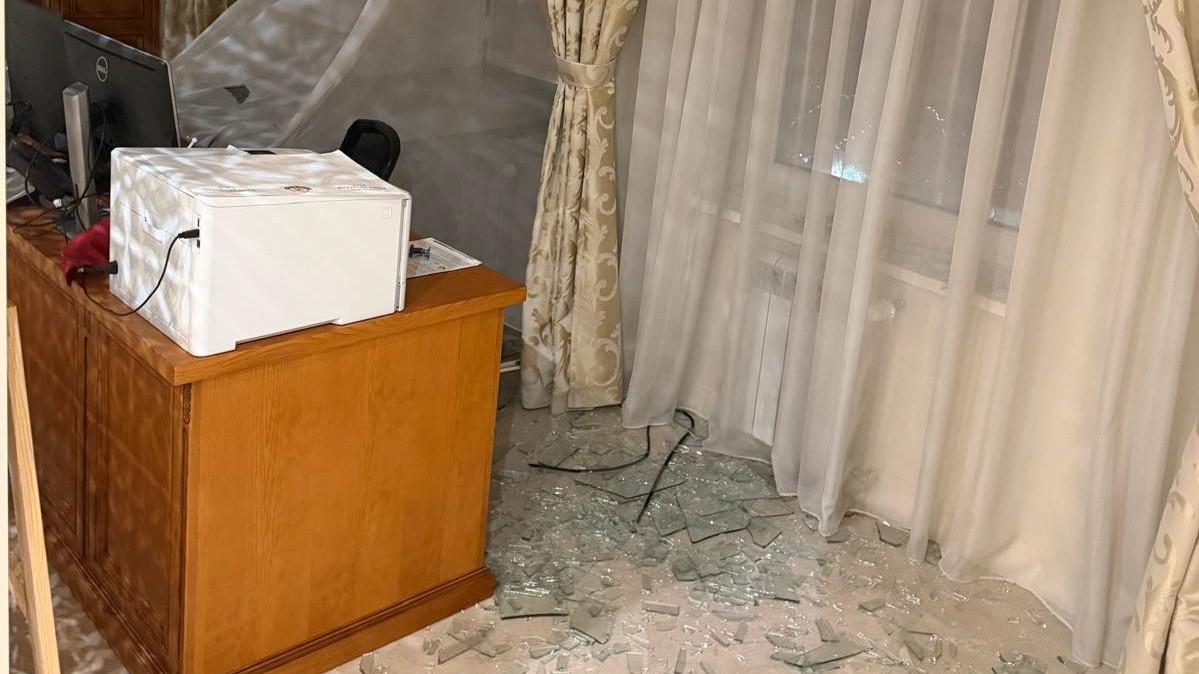
The Ministry of Foreign Affairs of Qatar released a statement saying that the building of its embassy in Kyiv was damaged as a result of last night’s shelling of the capital. The statement emphasized that no diplomats or staff were harmed, but it did not directly specify who carried out the strike.
"The State of Qatar expresses its deep regret over the damage sustained by the building of its embassy in Ukraine as a result of the shelling of the capital, Kyiv, last night. It confirms that none of its diplomats or embassy staff were injured."
— Ministry of Foreign Affairs of Qatar
Qatar's position: between dialogue and the reality of strikes
The statement also reiterated Qatar’s call to resolve the Russian-Ukrainian crisis through dialogue and peaceful means, with reference to international law and the UN Charter. Such rhetoric reflects Qatar’s role as one of the venues for mediation — the country seeks to maintain the status of a neutral intermediary while avoiding direct public confrontations with Moscow.
Analysts note that avoiding direct accusations is often a strategic move meant to preserve channels for negotiations or humanitarian initiatives. Qatar has already been mentioned as a participant in diplomatic contacts concerning Ukrainian interests, and in December 2025 President Zelensky positively assessed the roles of Qatar and Turkey in talks on a peace plan in the United States and in assisting with the return of Ukrainian children.
Kyiv's reaction and the facts
Earlier, Ukraine’s Foreign Minister Andriy Sybiha published photos of the Qatari embassy showing obvious signs of damage, which Kyiv attributes to the consequences of a Russian attack during the nighttime strikes. On the night of January 9, Kyiv was subjected to a combined attack that resulted in fatalities and injuries — this adds weight to every incident that affects diplomatic infrastructure.
What this means for security and diplomacy
First, strikes on diplomatic mission buildings undermine the basic norms of international law and create additional risk of escalation in the diplomatic sphere. Second, when a partner avoids direct accusation, it forces Ukraine and its allies to act on two fronts: strengthen their case in international institutions and simultaneously push for concrete measures to protect critical infrastructure and diplomatic missions.
Experts emphasize that declarations of "de-escalation" must be backed by practical security guarantees — from strengthening air defenses to legal pressure on aggressor states in international courts.
Conclusion
Qatar’s statement is not just an acknowledgement of damage. It is a signal: international partners are trying to keep a channel for dialogue open, but incidents of this kind require us to take concrete steps to bolster security and turn diplomatic words into legal and material actions. The ball is now in the partners' court — can they combine a desire for peace with effective guarantees for our capital?





