What journalists found
The British outlet The Telegraph published an investigation into a network of underground tunnels allegedly used to smuggle illegal migrants from Belarus into Poland. According to the Polish side, in 2025 border guards discovered at least four such tunnels; one of the largest — near the village of Narivka — was used by around 180 people, mostly from Afghanistan and Pakistan.
Evidence and operational details
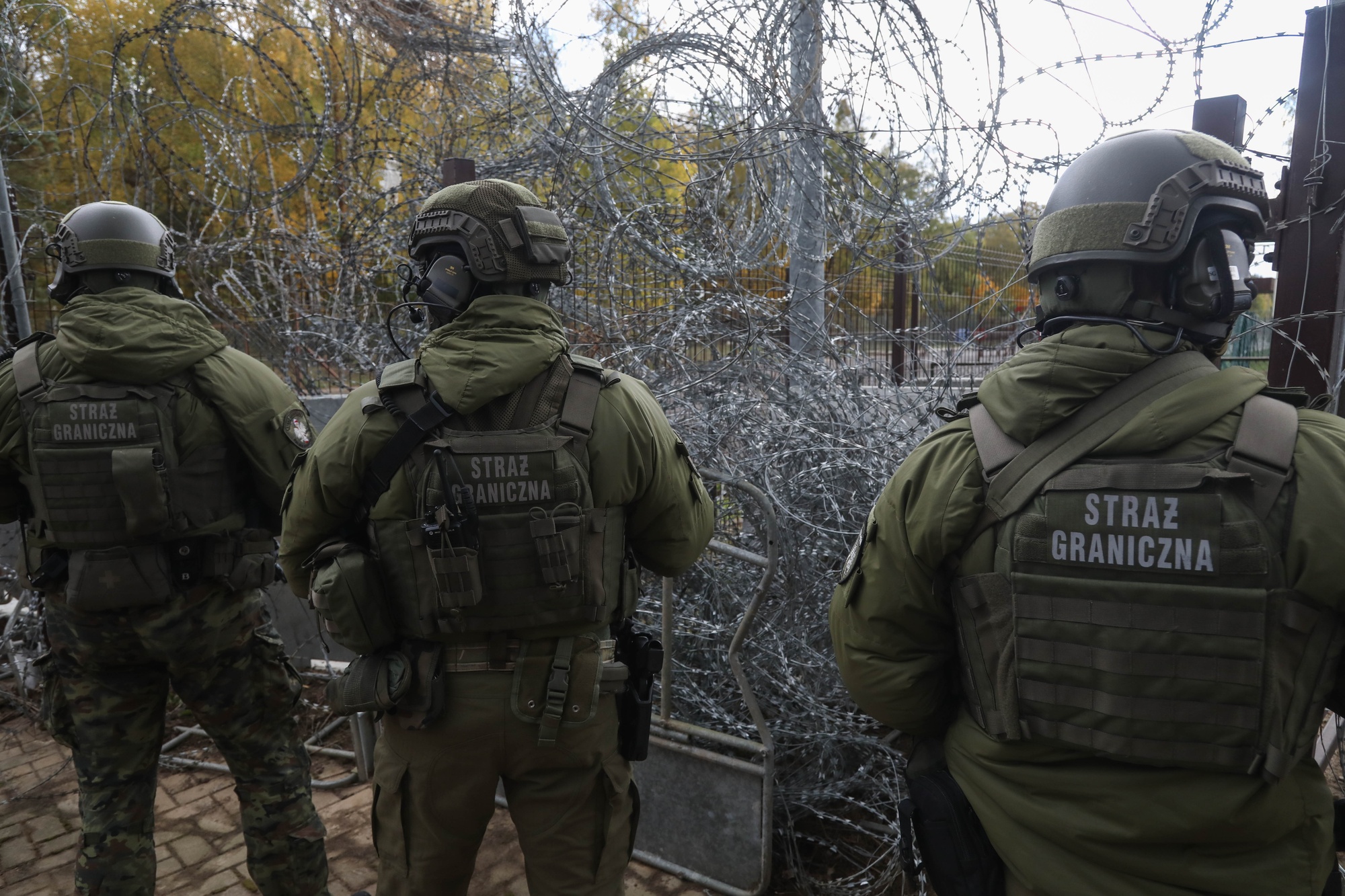
Polish law enforcement say the tunnel was about 1.5 m high, the entrance on the Belarusian side was concealed in the forest, and the structure had concrete struts to prevent collapse. According to border guard officer Katarzyna Zdanowicz, a combination of physical and electronic measures allows them to respond even to underground attempts to breach the border.
“Physical and electronic security measures on the border, such as thermal cameras and detection systems, allow us to react immediately to any attempts to breach the state border, even underground.”
— Katarzyna Zdanowicz, officer of the Podlaskie Border Guard Command
Who might have been involved
The piece mentions specialists from the Middle East with “a high level of expertise” in tunnel construction. Military analysts link such works to organizations with prior experience in underground infrastructure (for example, Hamas or Hezbollah), but there is so far no direct documentary evidence of state collusion by these groups. American scholar Linett Nusbacher called the involvement of Iran-backed groups “plausible.”
“One of the first things we saw after the 2006 Lebanon war was a series of cement mixers... we observed a huge number of Iranian tunnels.”
— Linett Nusbacher, scholar (quoted by The Telegraph)
Context and rationale: why this matters
This story is noteworthy not only for its criminal dimension. The use of underground routes is an example of a hybrid tactic that combines migration flows, disinformation and infrastructure solutions to create political pressure on neighbours. Belarus had already been used as a springboard before 2022 to move thousands of people across the Polish border; Warsaw's response — a 200-kilometre fence and hundreds of cameras — is illustrative for the region.
Warsaw's reaction and regional consequences
Poland says it has the technical means to detect and neutralize such tunnels, but stresses that when one channel is closed, others open. Political steps include an information campaign announced by Prime Minister Tusk in seven countries to counter illegal migration and reduce recruitment and smuggling channels.
What this means for Ukraine
The significance of this story for Ukraine is twofold. First, the normalization of complex hybrid operations near EU borders raises the risk of escalating instability in neighbouring regions. Second, the tactic of undermining trust in borders and redirecting flows of people can divert partners’ resources that are also important for supporting Ukraine. Analysts agree that broader coordination is needed between the EU, NATO and neighbouring states on intelligence sharing, detection technologies for underground works and information countermeasures.
Conclusion
If The Telegraph’s claims are fully confirmed, we are looking at an example of turning the migration issue into an instrument of hybrid pressure. The question is not only who built the tunnels, but how the EU and its neighbours can systematically block such instruments and prevent them from becoming a permanent mechanism of destabilization.





