Appointment and facts
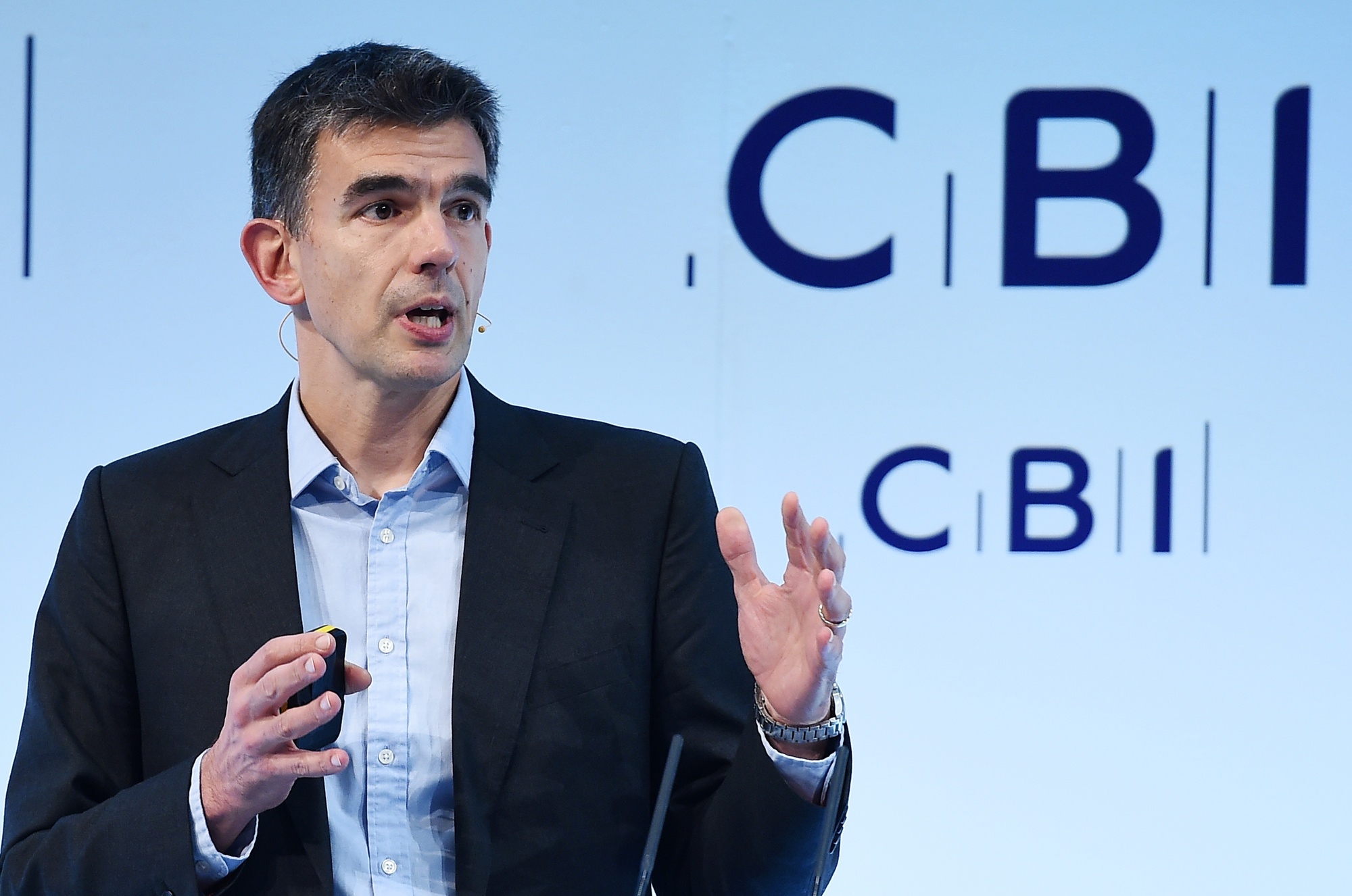
Former Google executive Matt Brittin has been officially appointed the new Director‑General of the British public broadcaster the BBC. The BBC says he will start work on 18 May and will receive an annual salary of £565,000.
Why the change happened
Brittin replaces Tim Davie, who resigned after a scandal over the editing of material in the Panorama programme involving Donald Trump. The incident underscored two painful challenges for the BBC: its reputation for verification and the high cost of on‑air mistakes.
Profile of the new director‑general
The 57‑year‑old Brittin worked at Google for about 18 years, leading operations in Europe, the Middle East and Africa. The BBC says he has experience managing large organisations through digital transformations and knows how to scale products while competing with technology giants.
"The BBC must adapt to rapid change while maintaining audience trust and strengthening its presence in the digital environment."
— Matt Brittin, incoming Director‑General of the BBC
Key challenges
Brittin faces several interrelated tasks: a government‑led review of the charter and the funding model, increased competition from platforms (streaming services and social networks), and legal risks — notably Donald Trump's lawsuit over the editing of a speech, which the BBC has already acknowledged was a mistake.
What this means for Ukraine
The BBC is one of the most influential global news sources, shaping international audiences' understanding of events, including the war in Ukraine. Analysts' comments and reports, including from LIGA.net, remind us that traditional media feel the pressure of information speed from social media and the battlefield: combining speed and thorough fact‑checking is now a matter of trust.
Risks and opportunities
Brittin's technological background offers a chance to strengthen the BBC's products — news services, iPlayer, digital distribution — and thereby expand coverage of Ukraine. At the same time, rapid digital optimisation without investment in editorial culture could lead to a repeat of errors that undermine trust.
Summary
The appointment of Matt Brittin is a signal that the BBC is choosing a course of digital transformation. For Ukraine this is both an opportunity and a challenge: broader reach among foreign audiences can deepen understanding of our defence and losses, but only if journalistic quality and verification standards are maintained. Now the role of partners and observers is to ensure that technological tools serve the truth, not speed for the sake of speed.





